‘Homecoming’
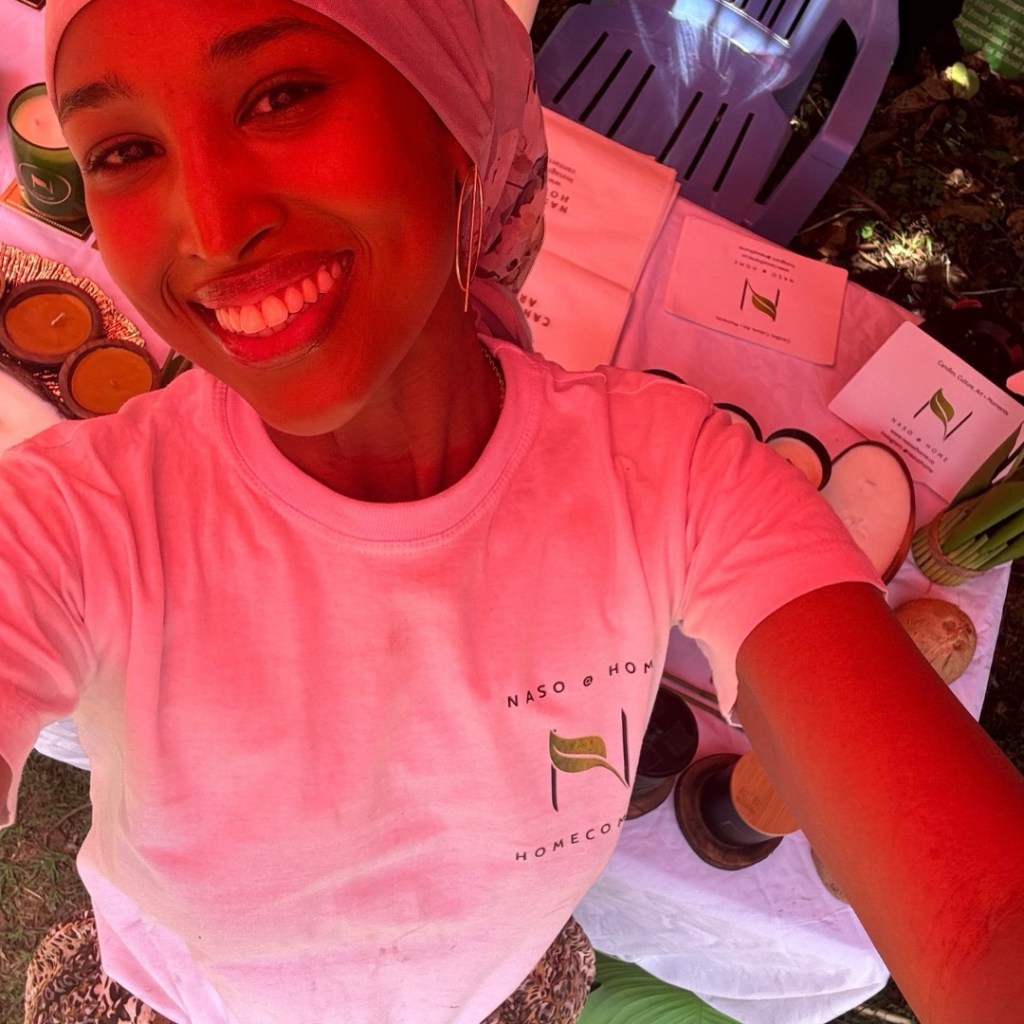
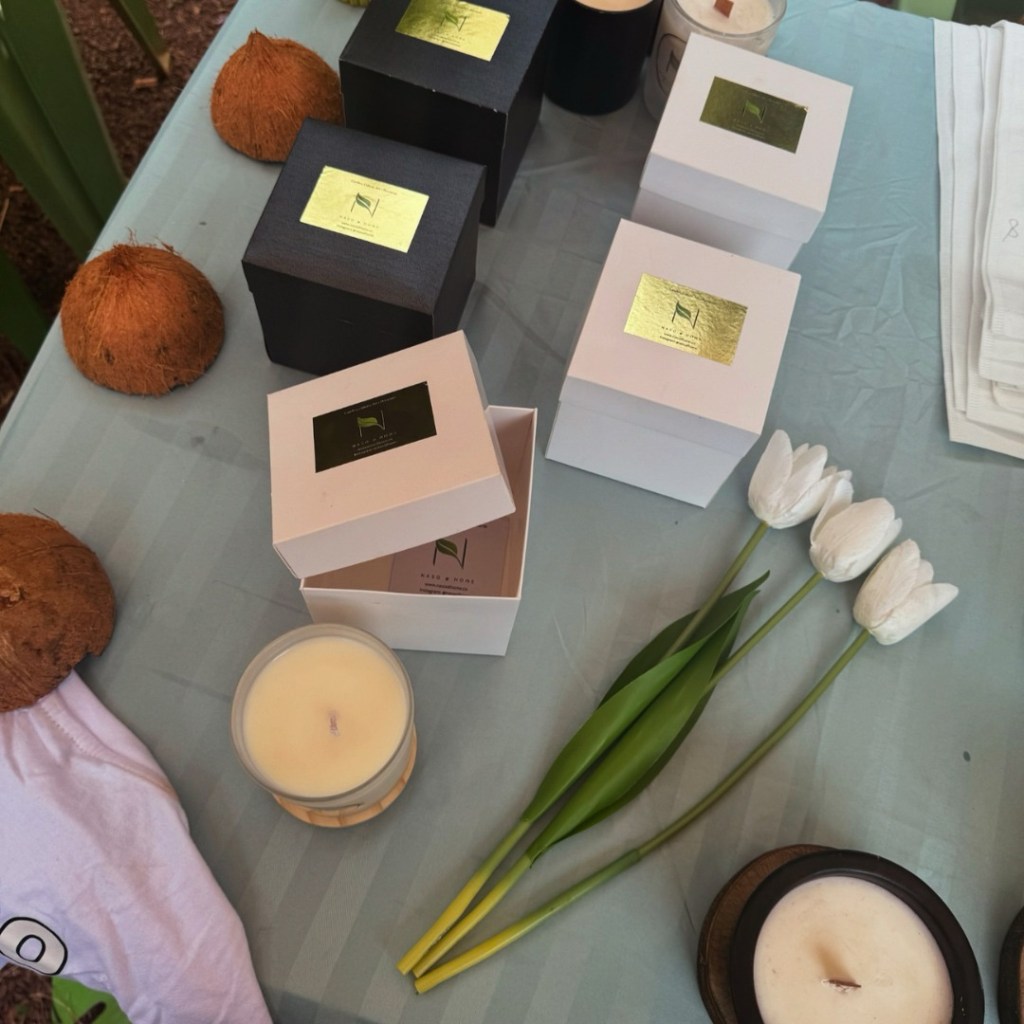
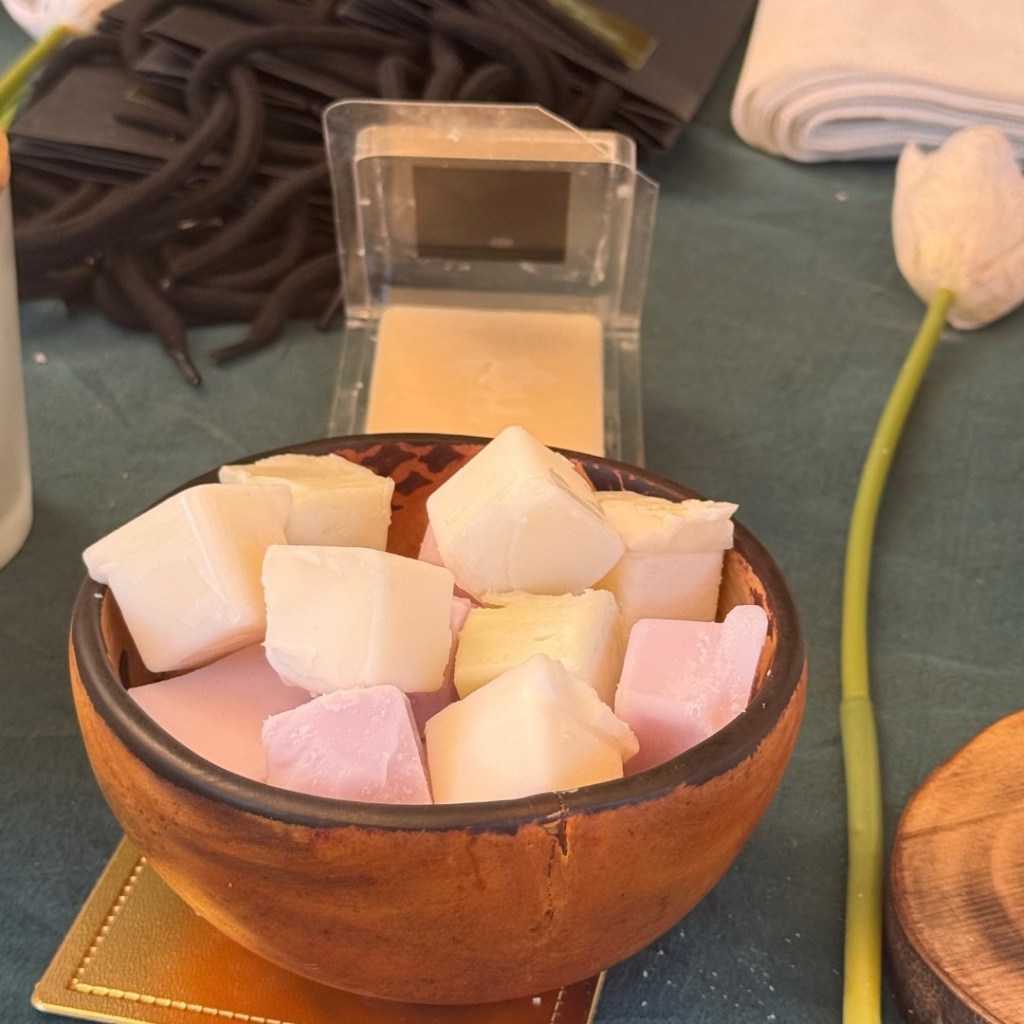
NASO AT HOME’s “Homecoming” marked a return-to-roots phase, transitioning the brand from international pop-ups into a deeply local, community-embedded retail and experience model across Kenya—blending markets, partnerships, and creative ecosystems.
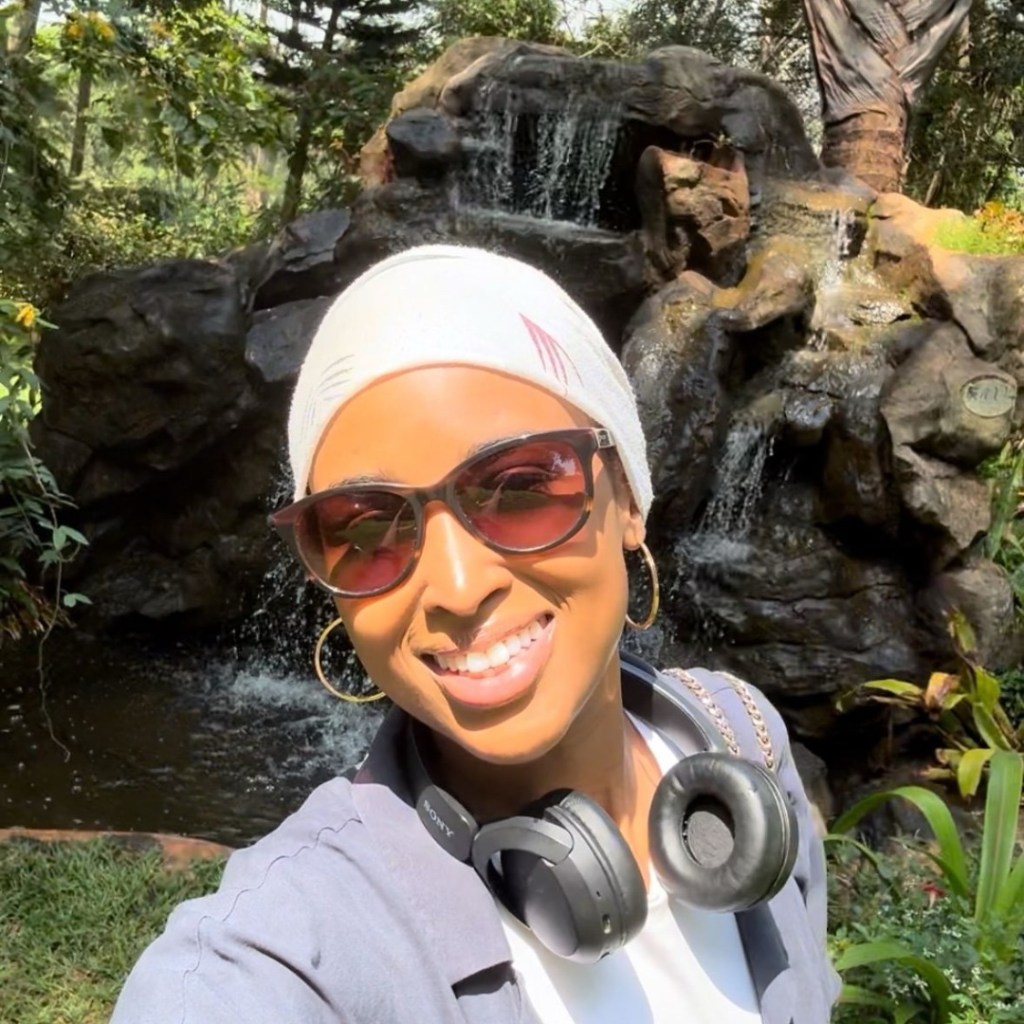
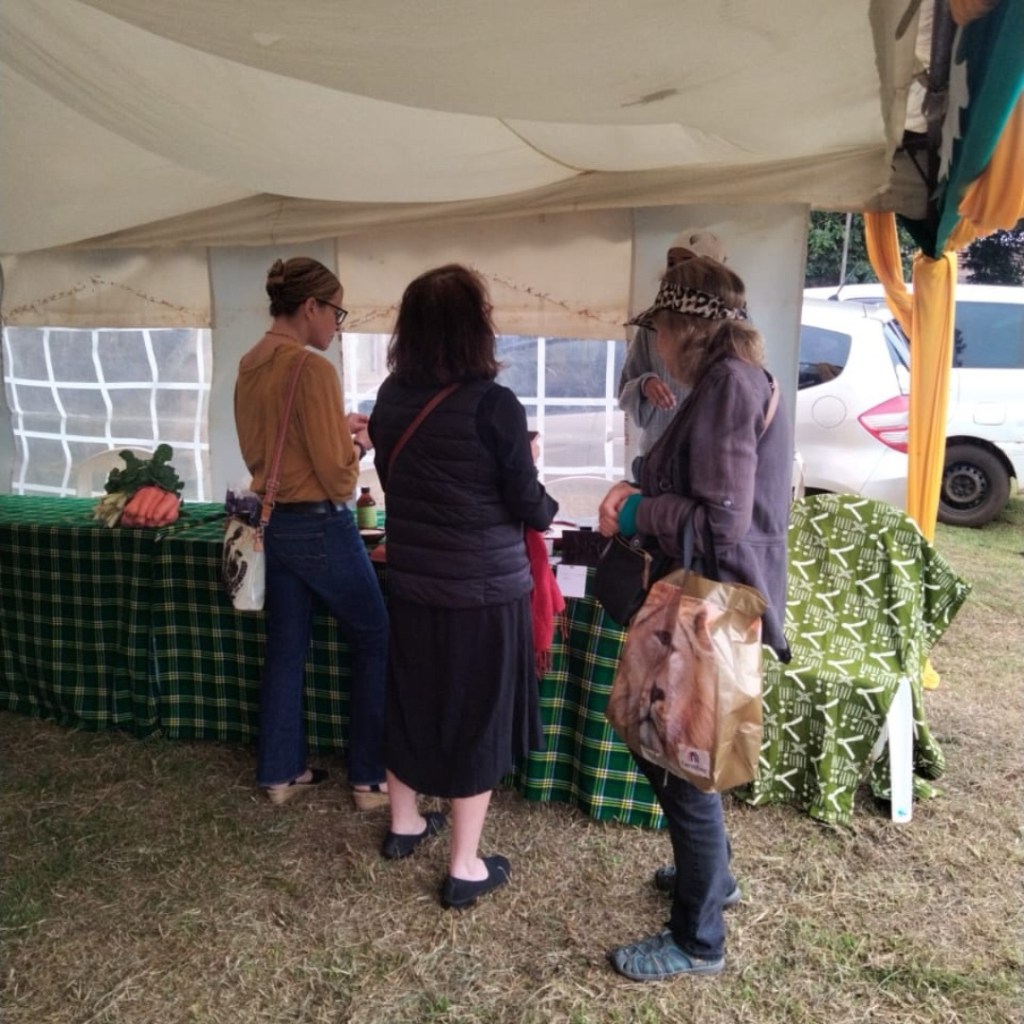
The experience unfolded through grassroots, in-person retail moments, including:
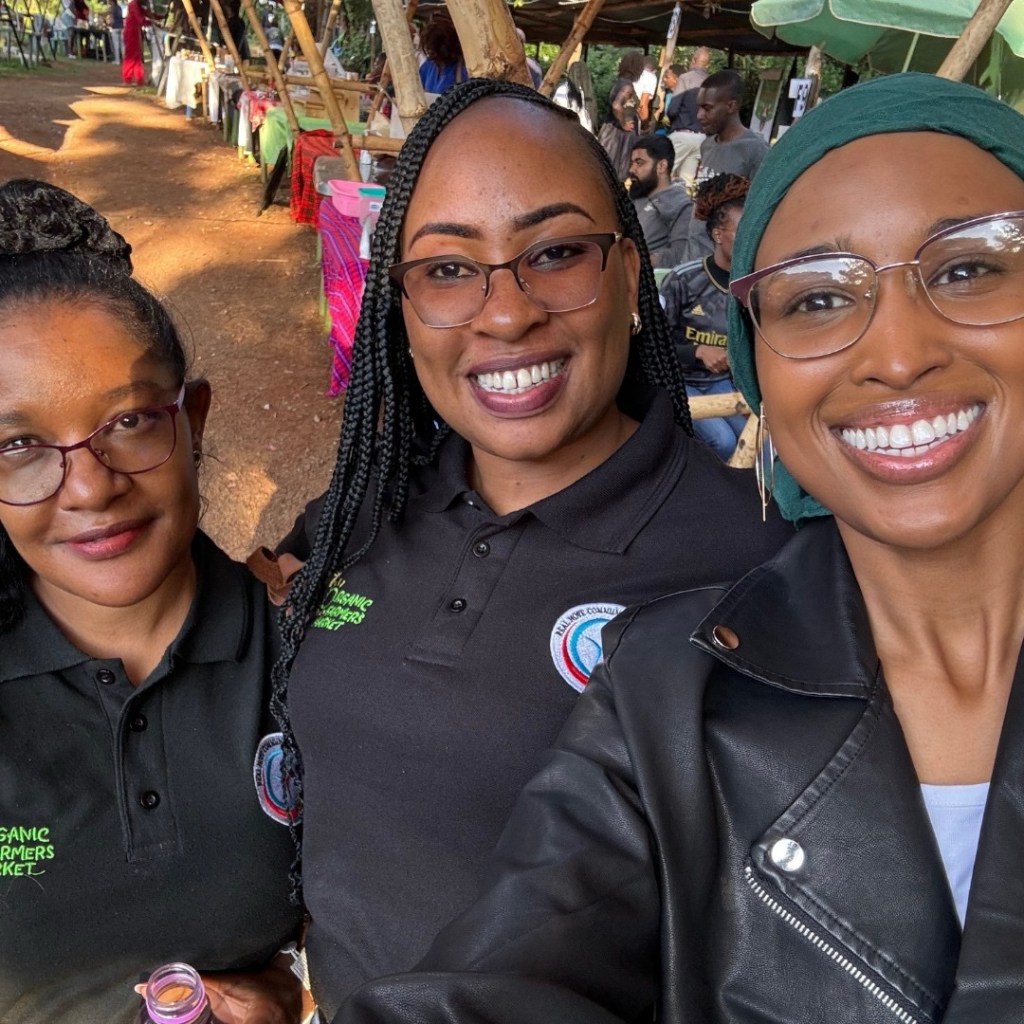
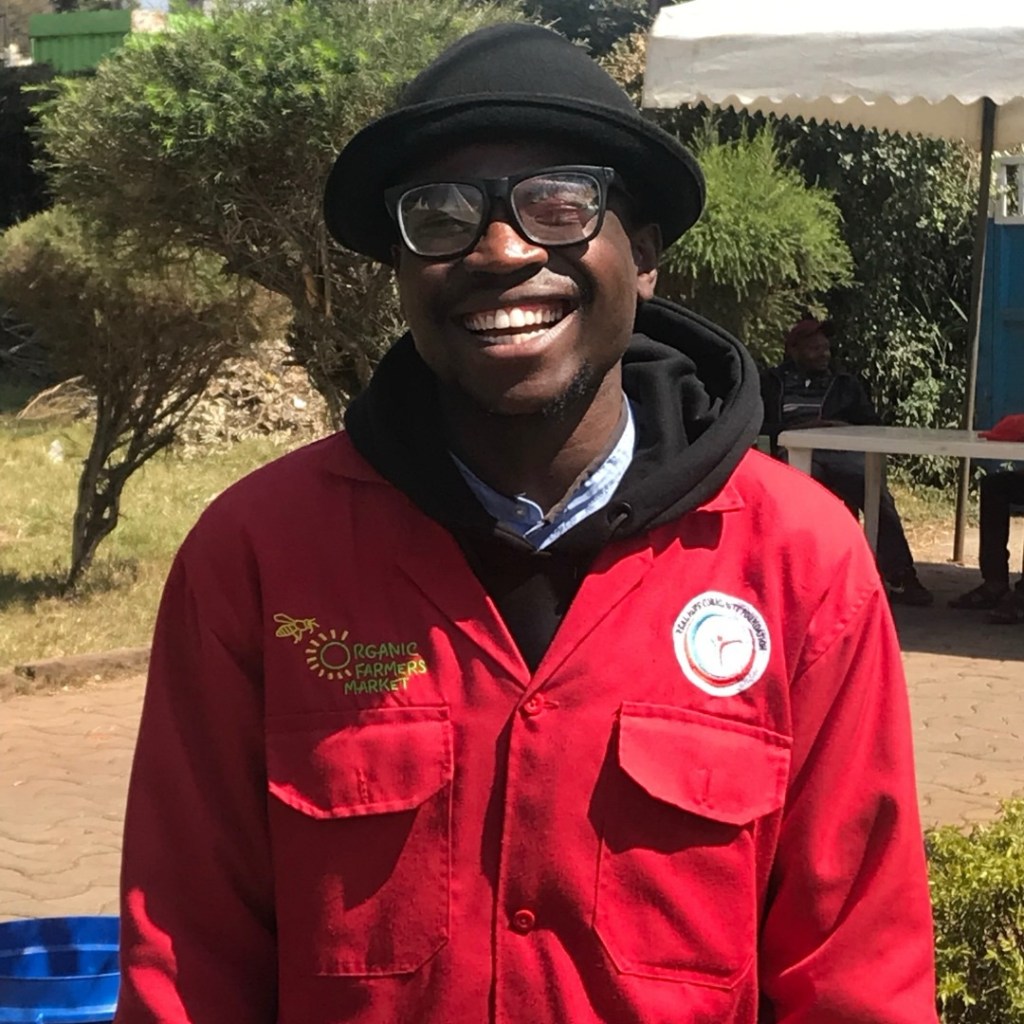
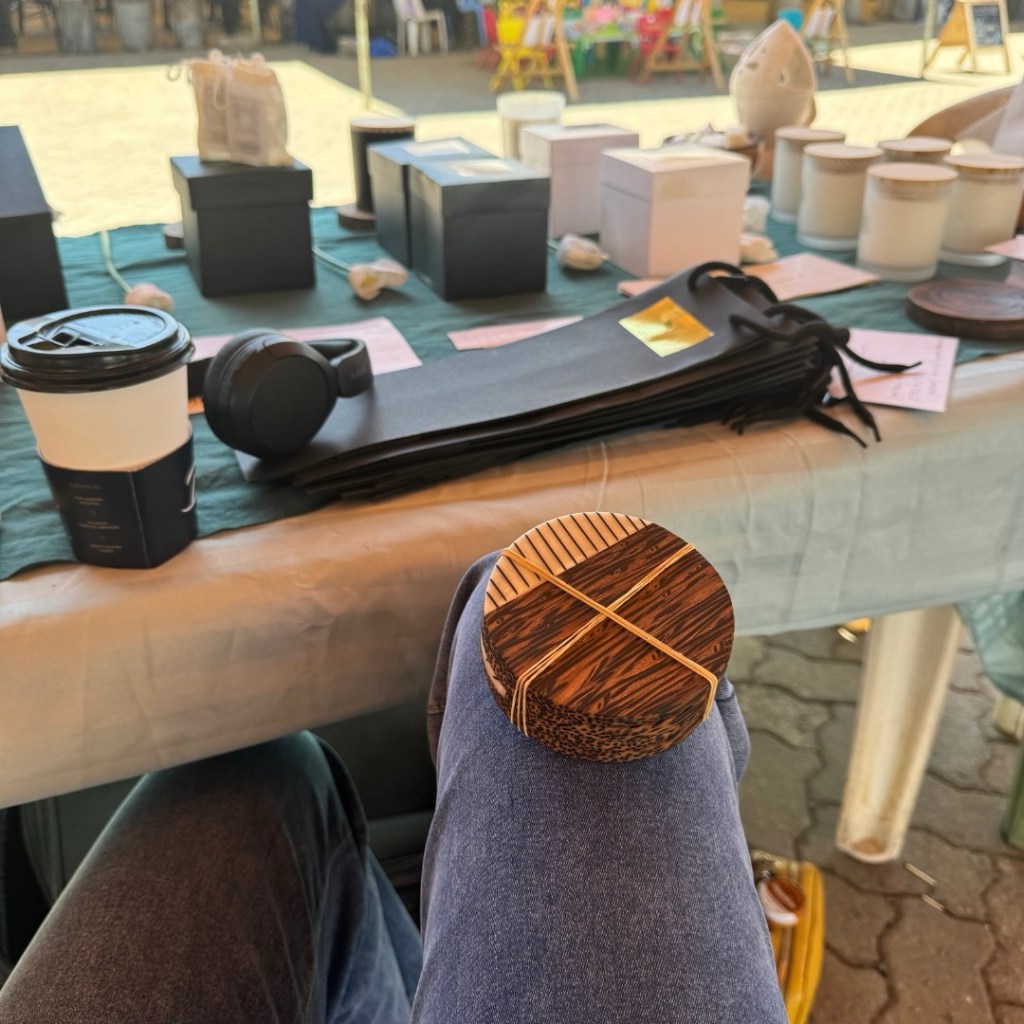
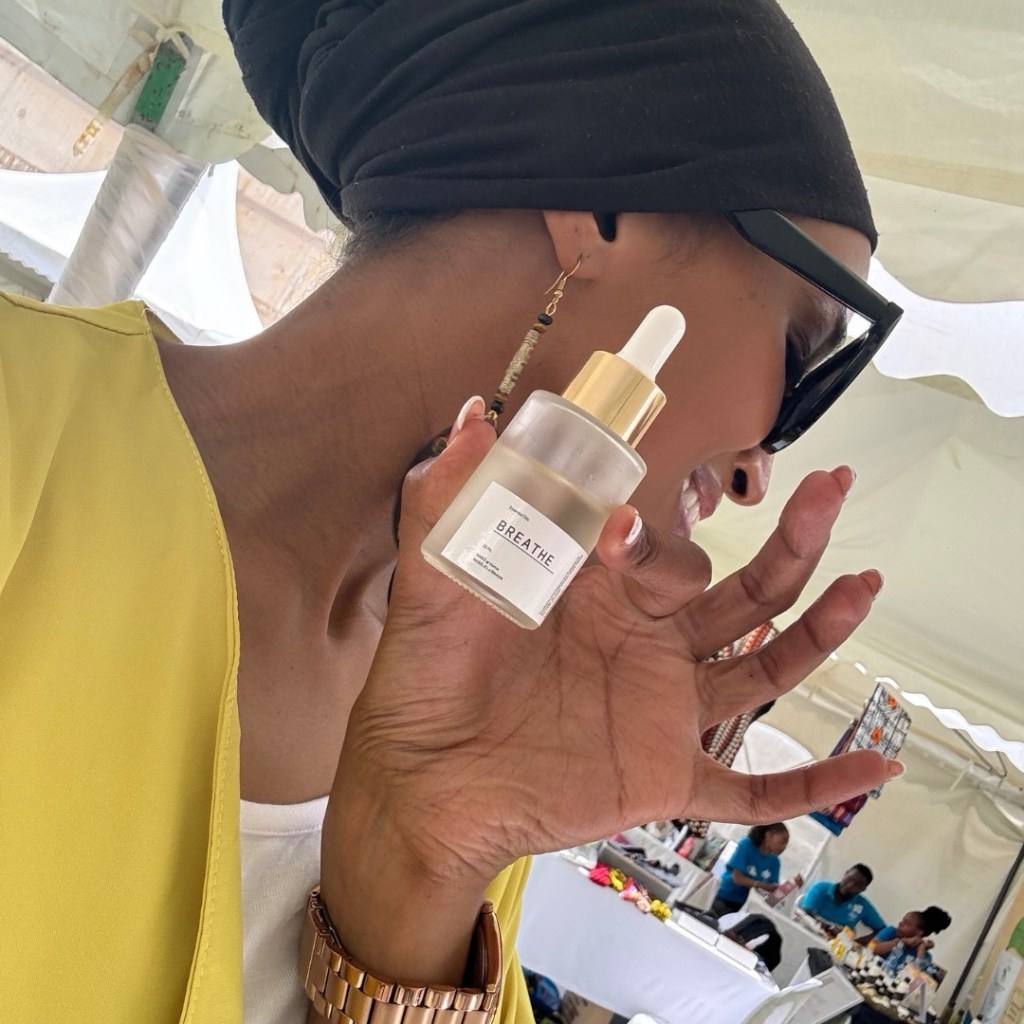
Joining tea farmers in Tigoni for monthly farmers markets, grounding the brand within Kenya’s agricultural and cultural landscape.
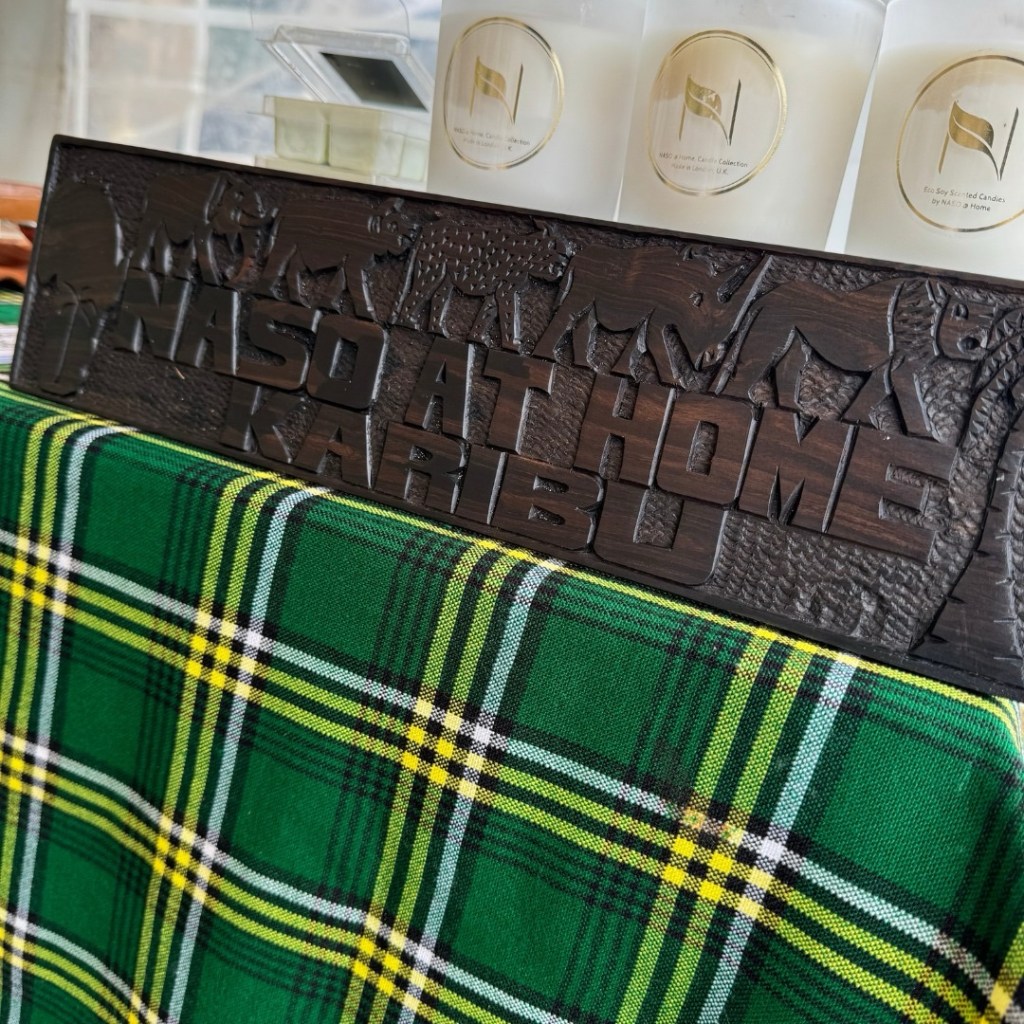
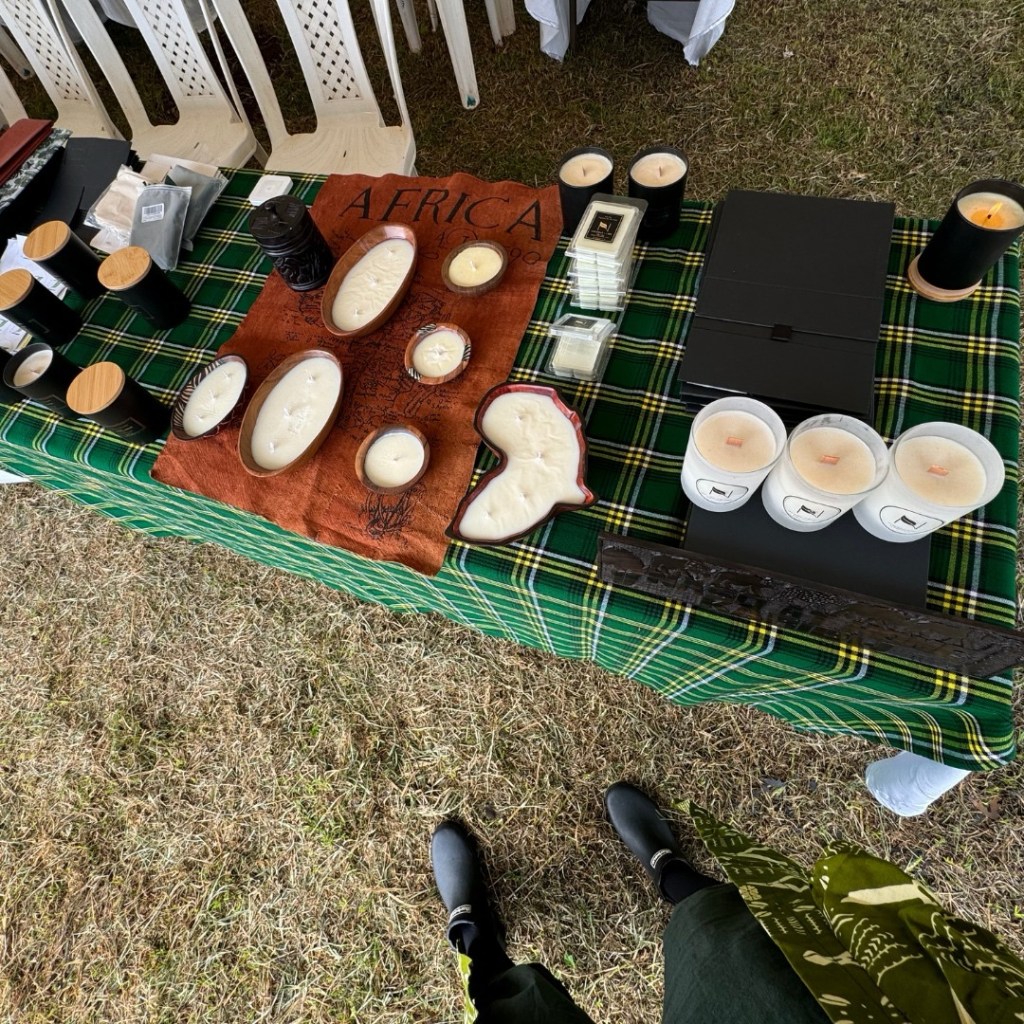
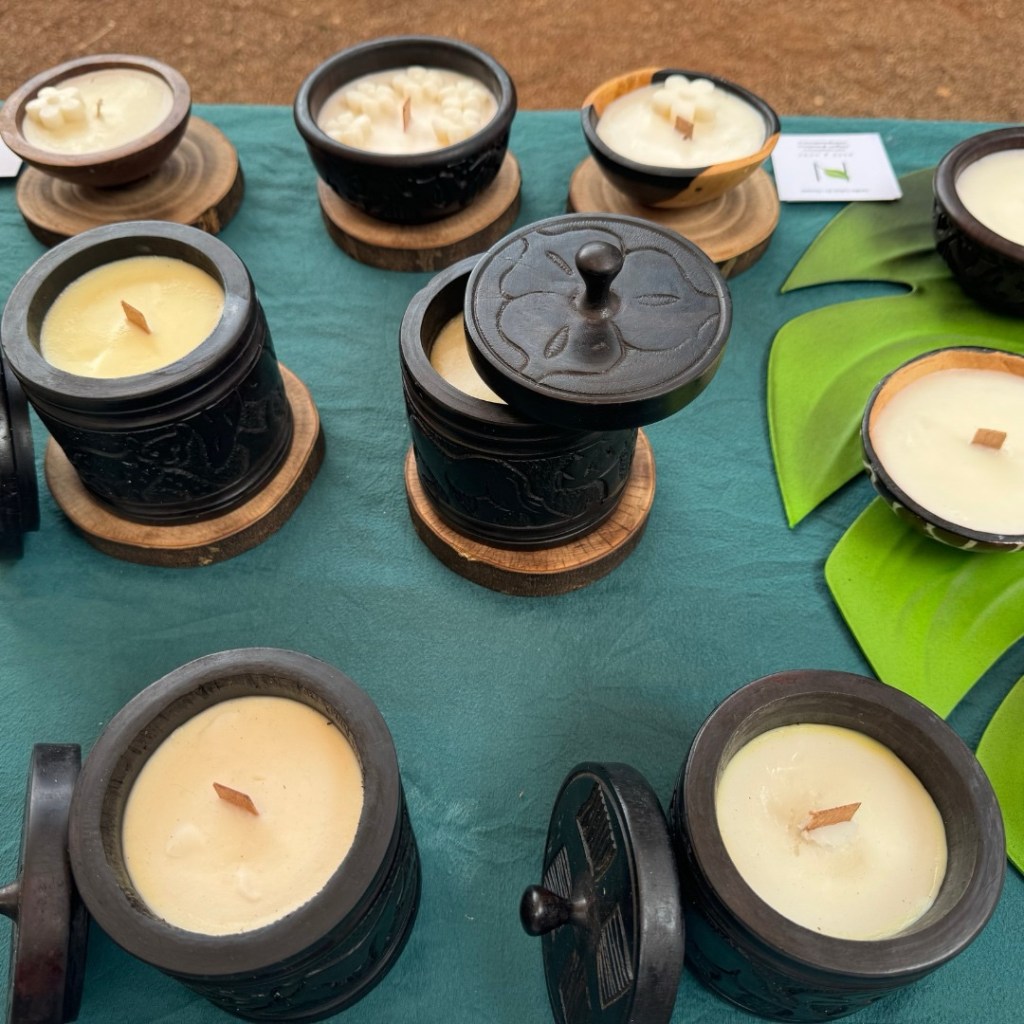
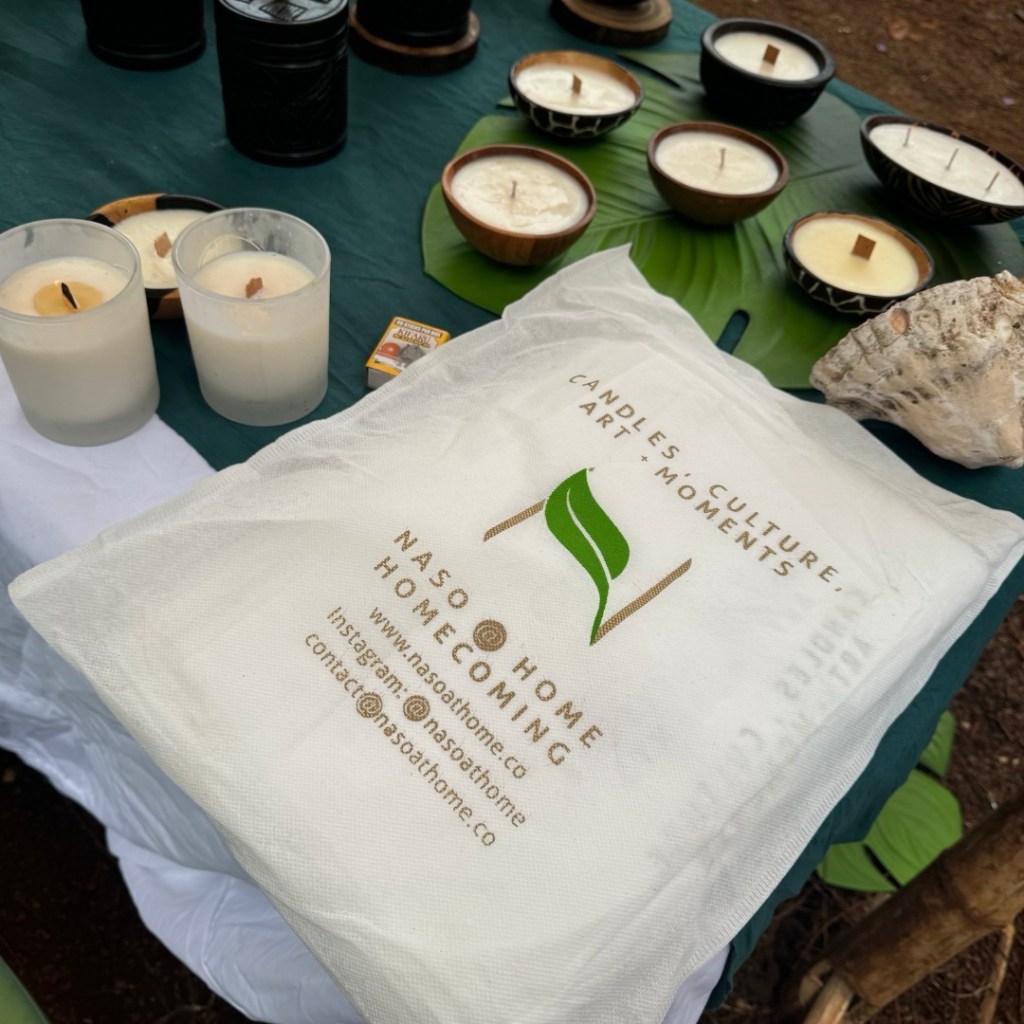
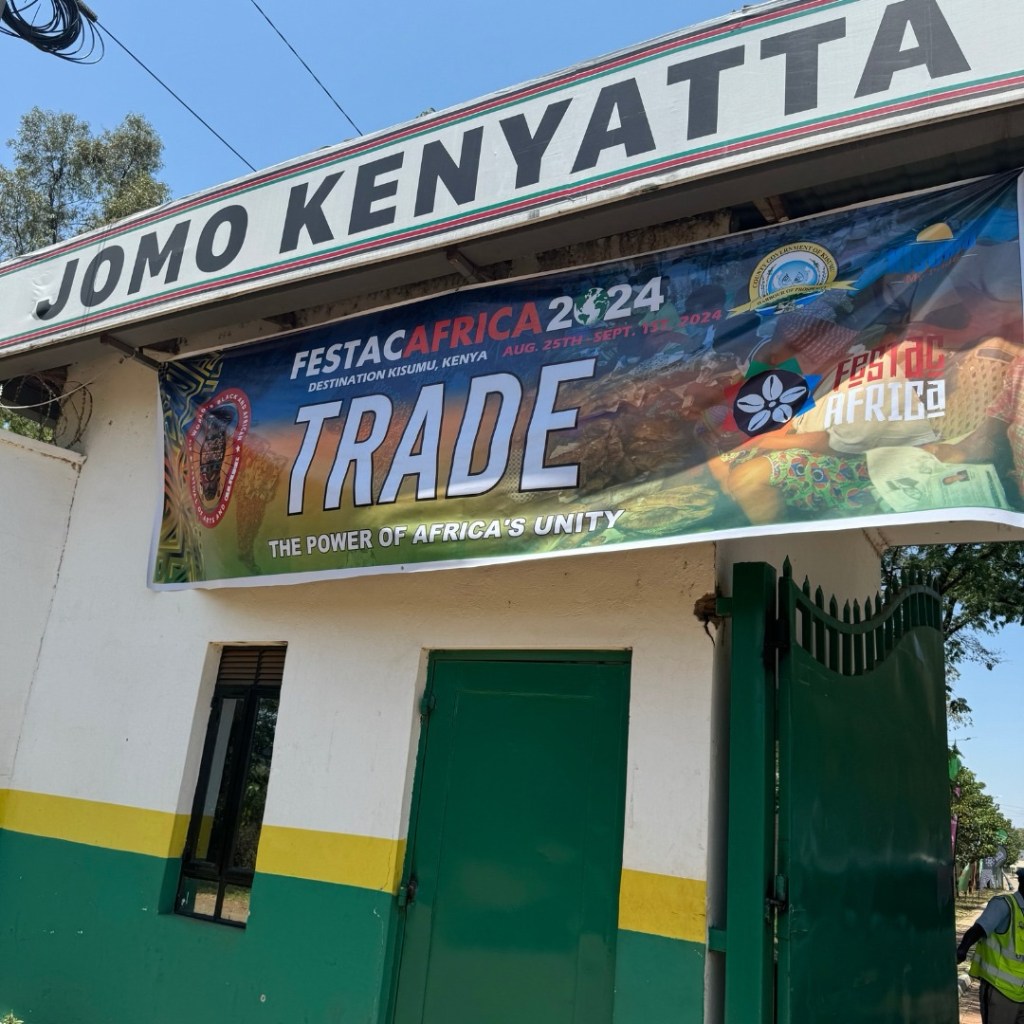
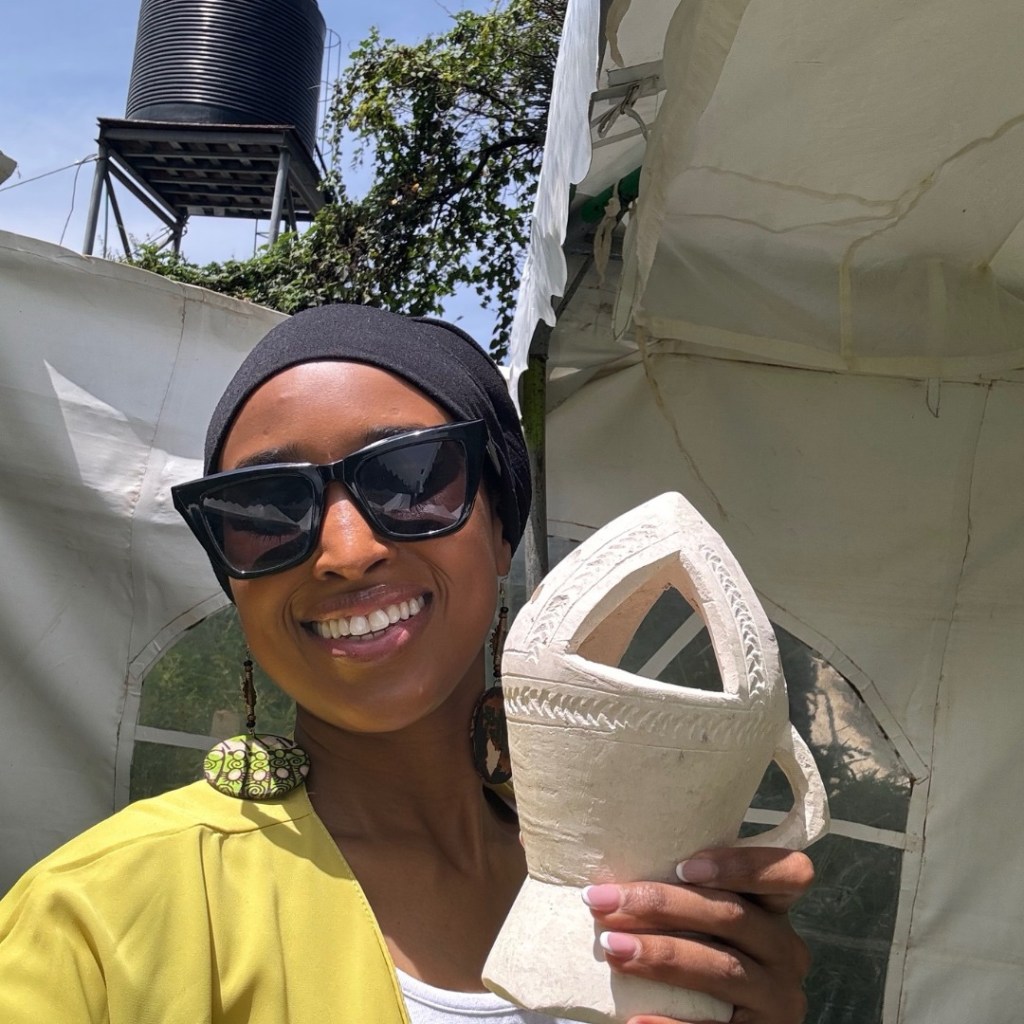
Participating in Kisumu’s FESTAC event (Aug 2024), expanding NASO’s presence into regional cultural platforms and new audiences
This phase shifted retail from curated spaces to real, lived community environments.
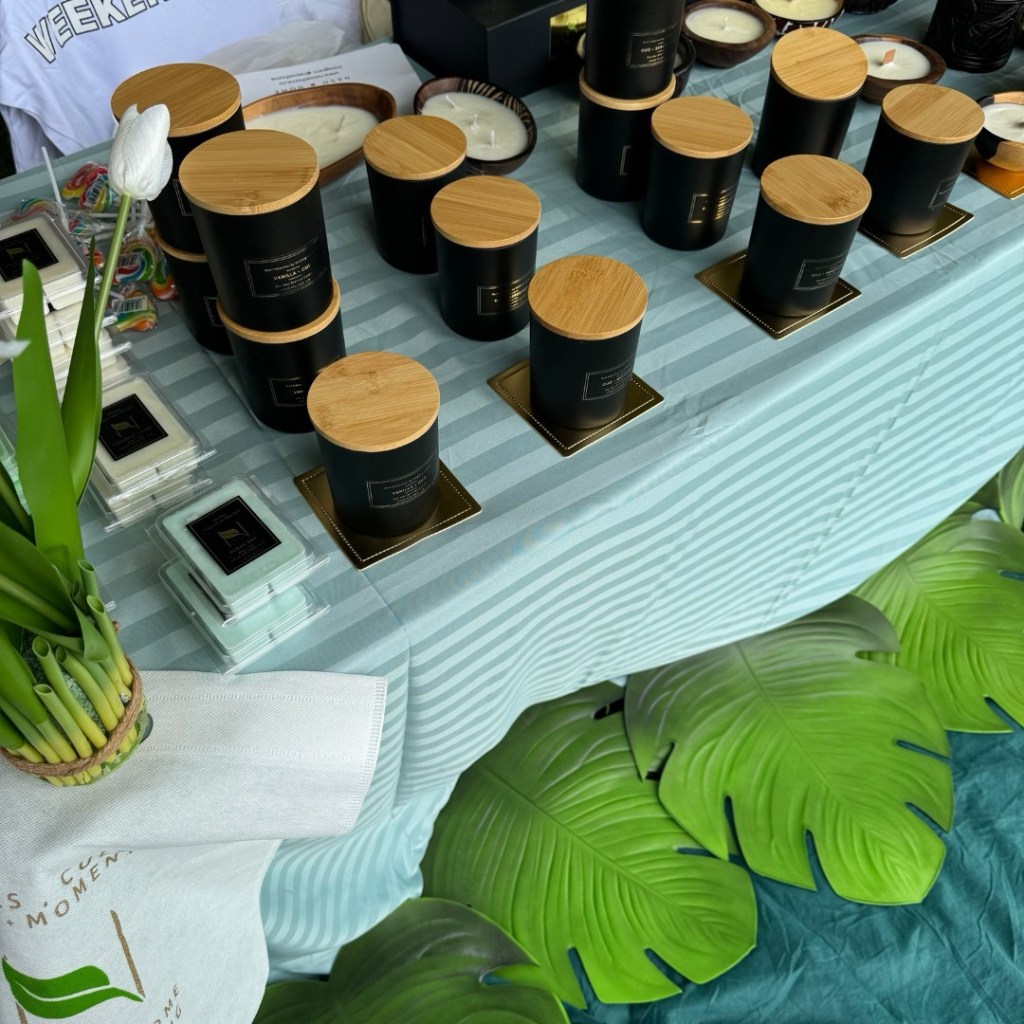
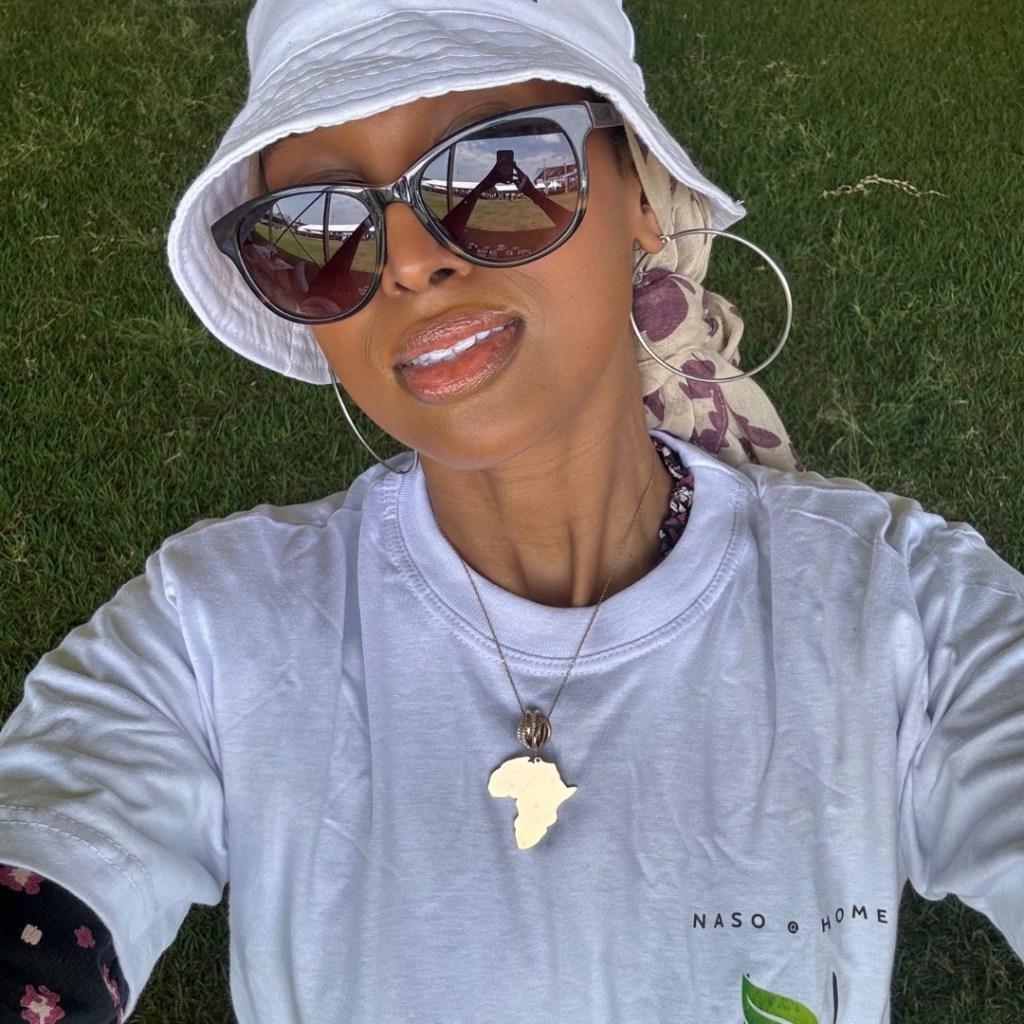
A defining moment in this journey came in September 2024, when NASO AT HOME was:
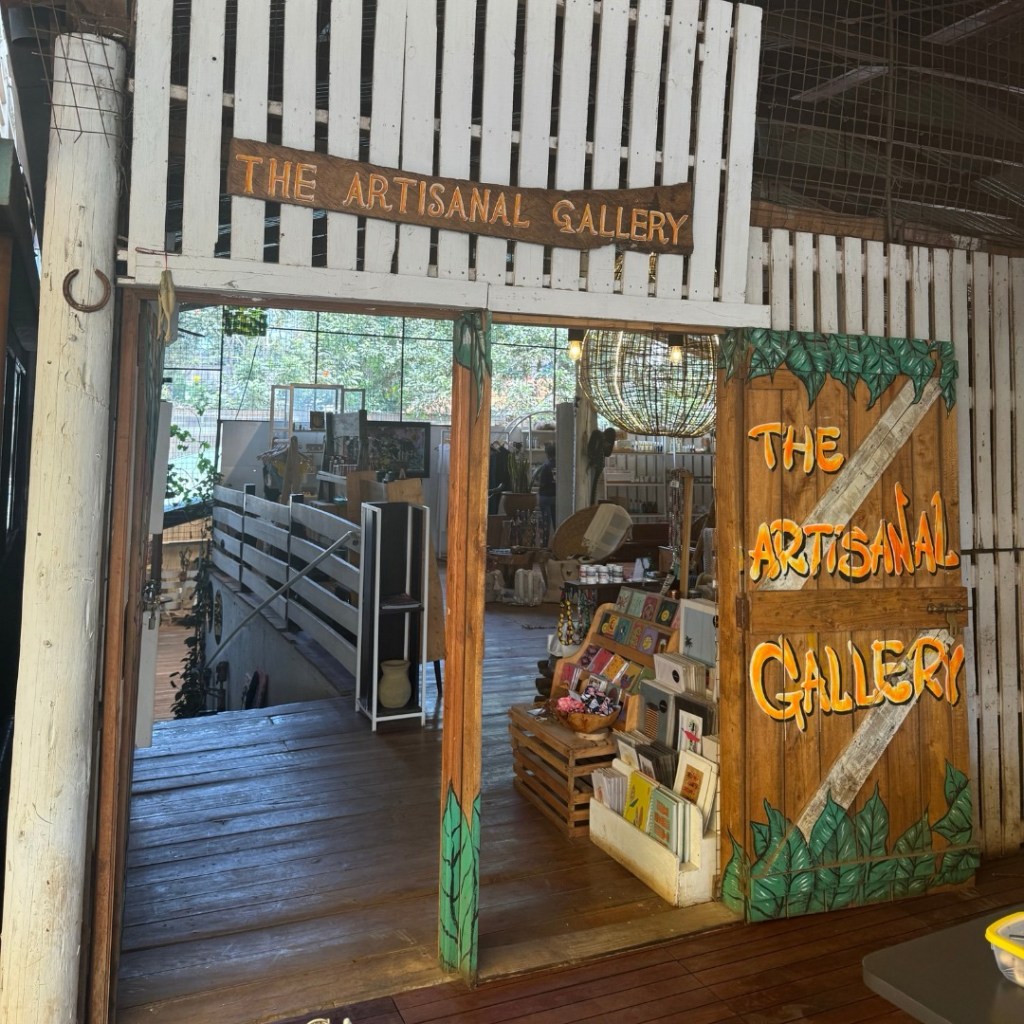
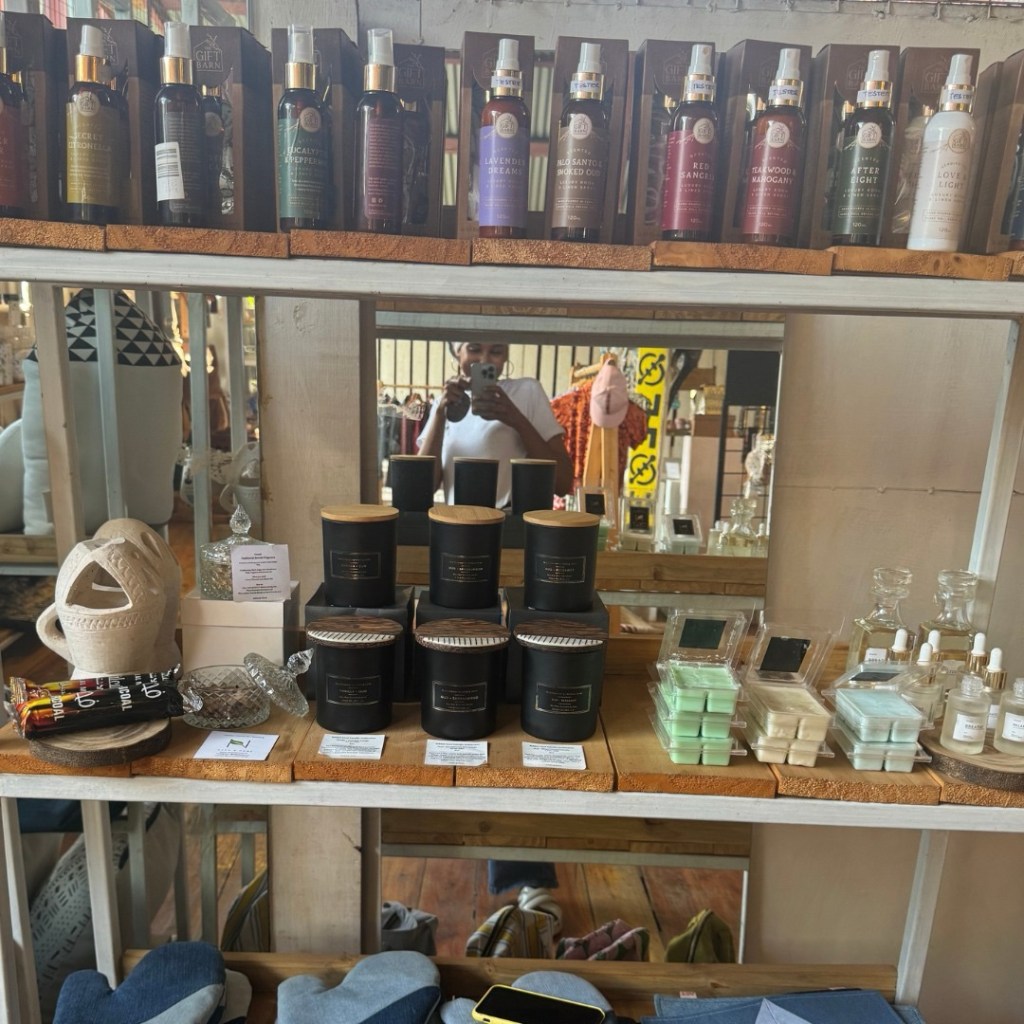
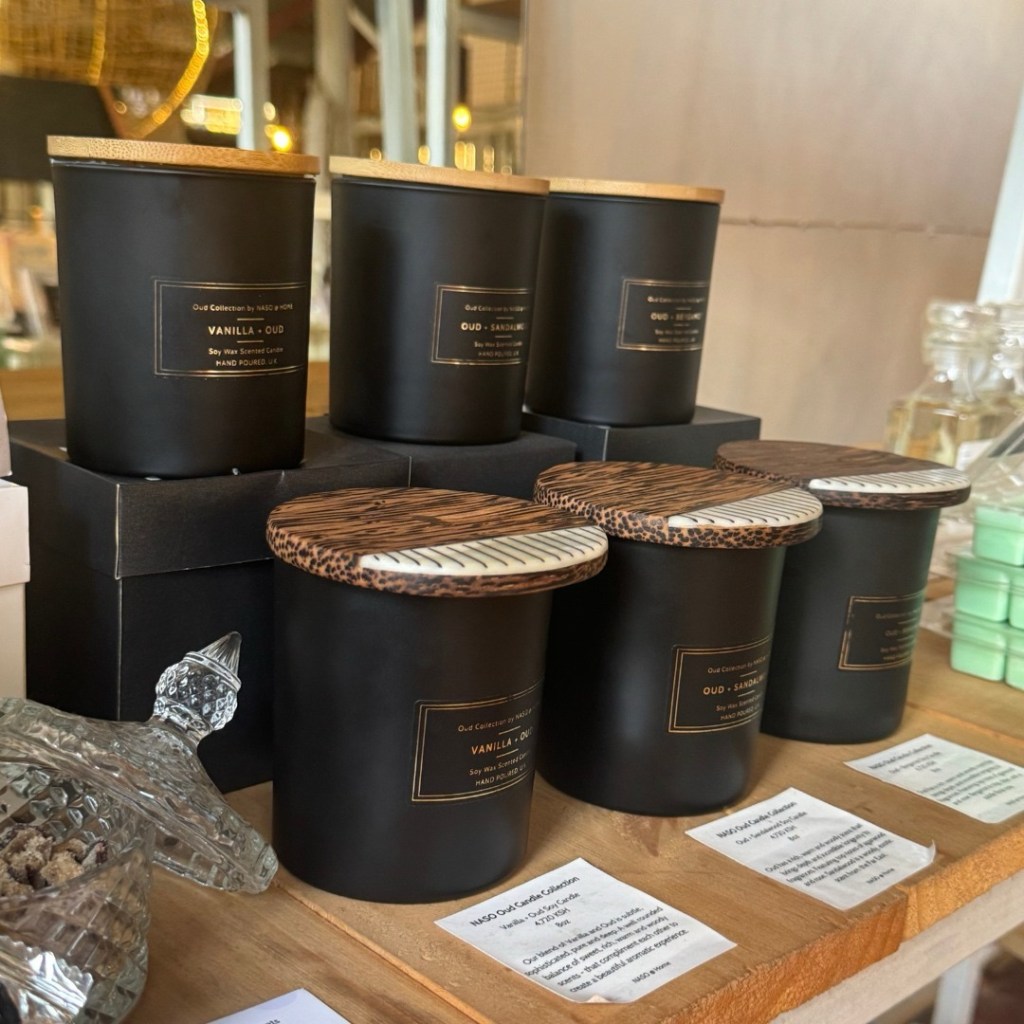
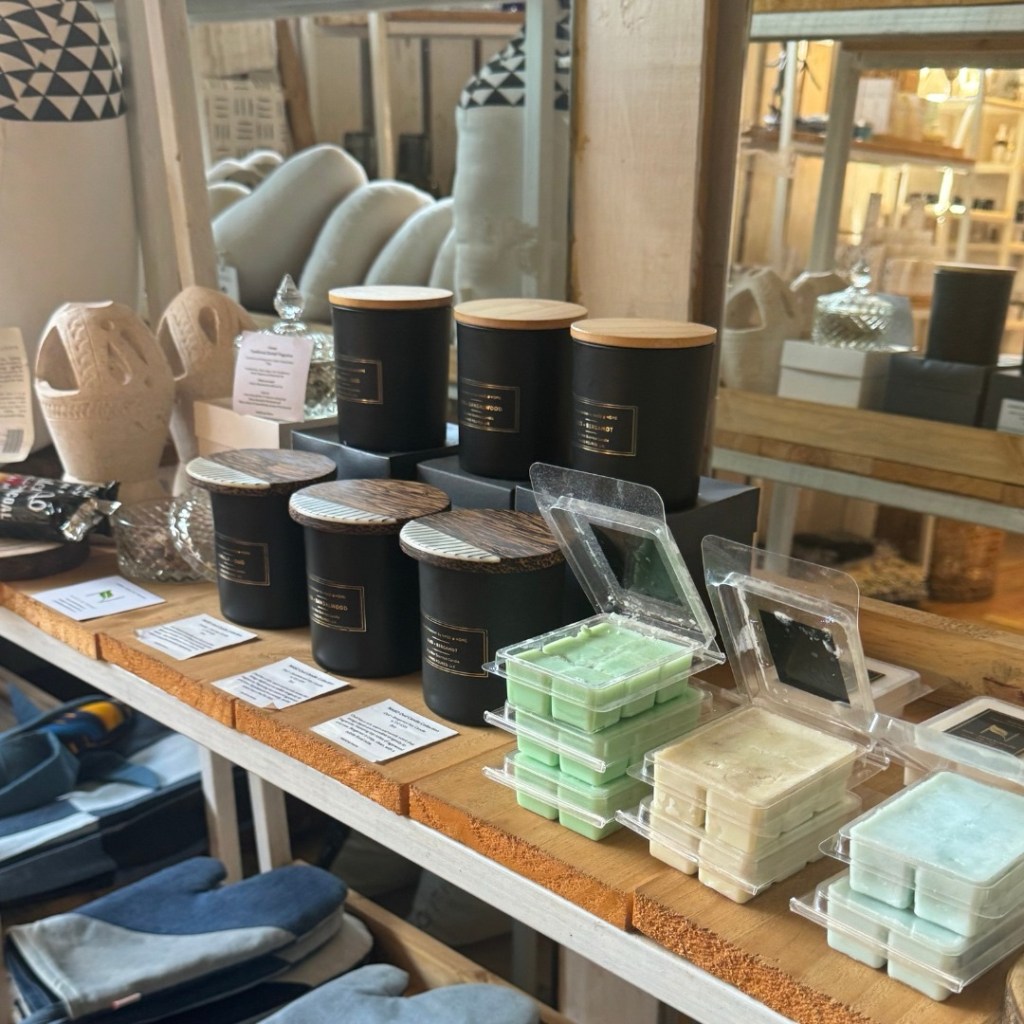
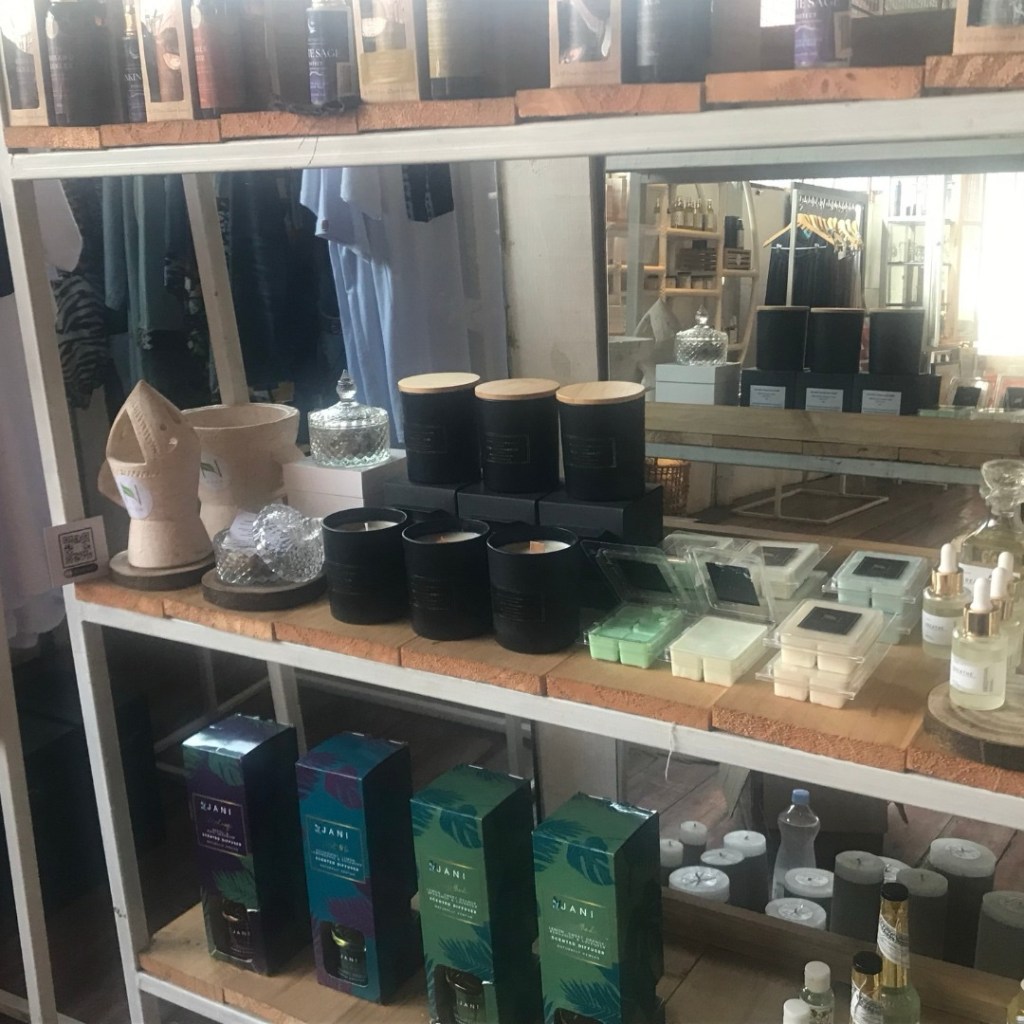
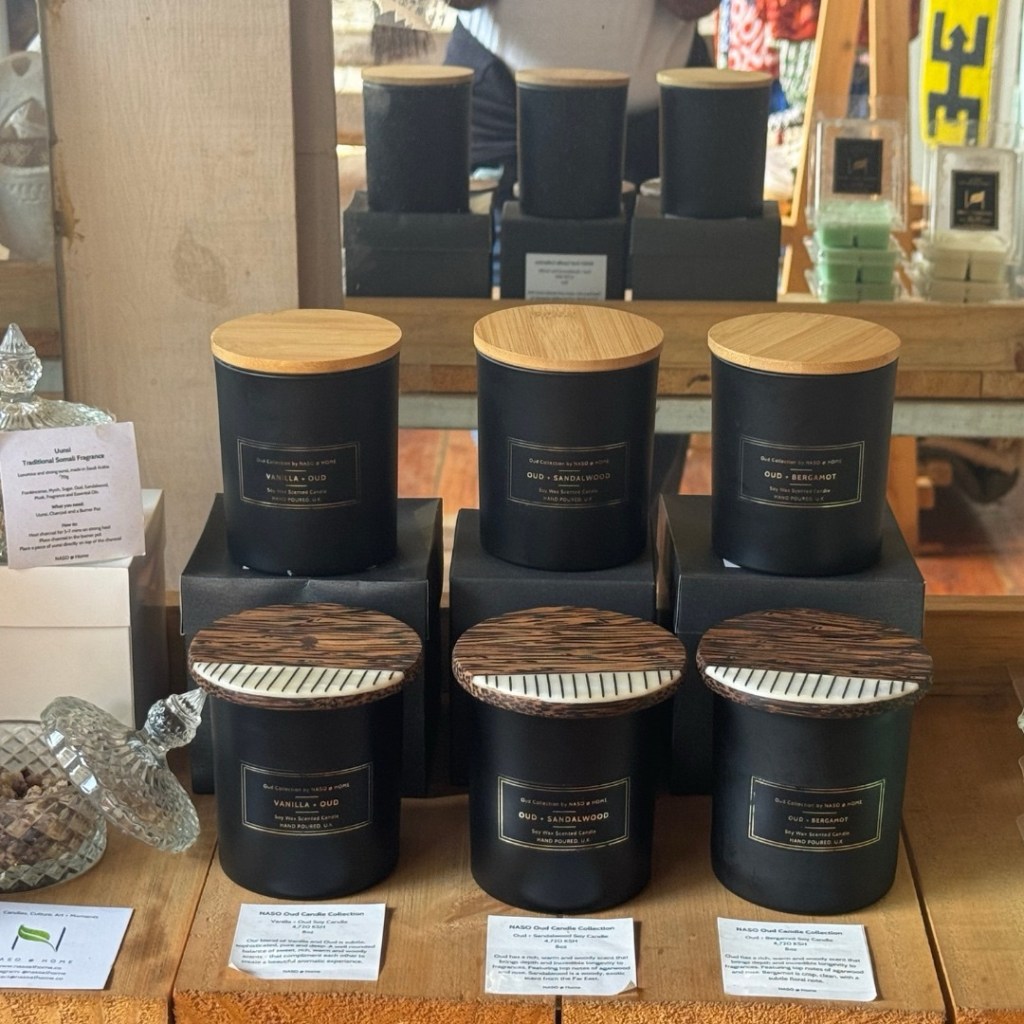
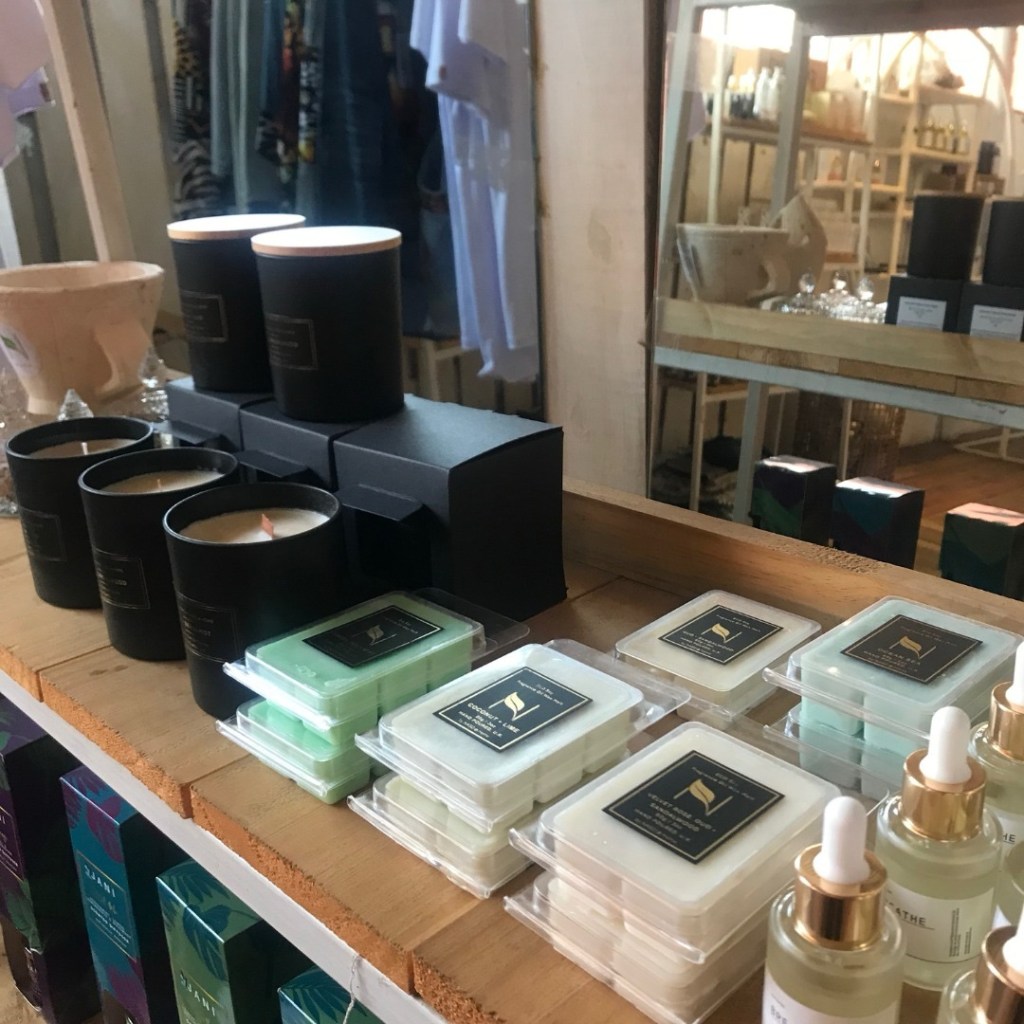
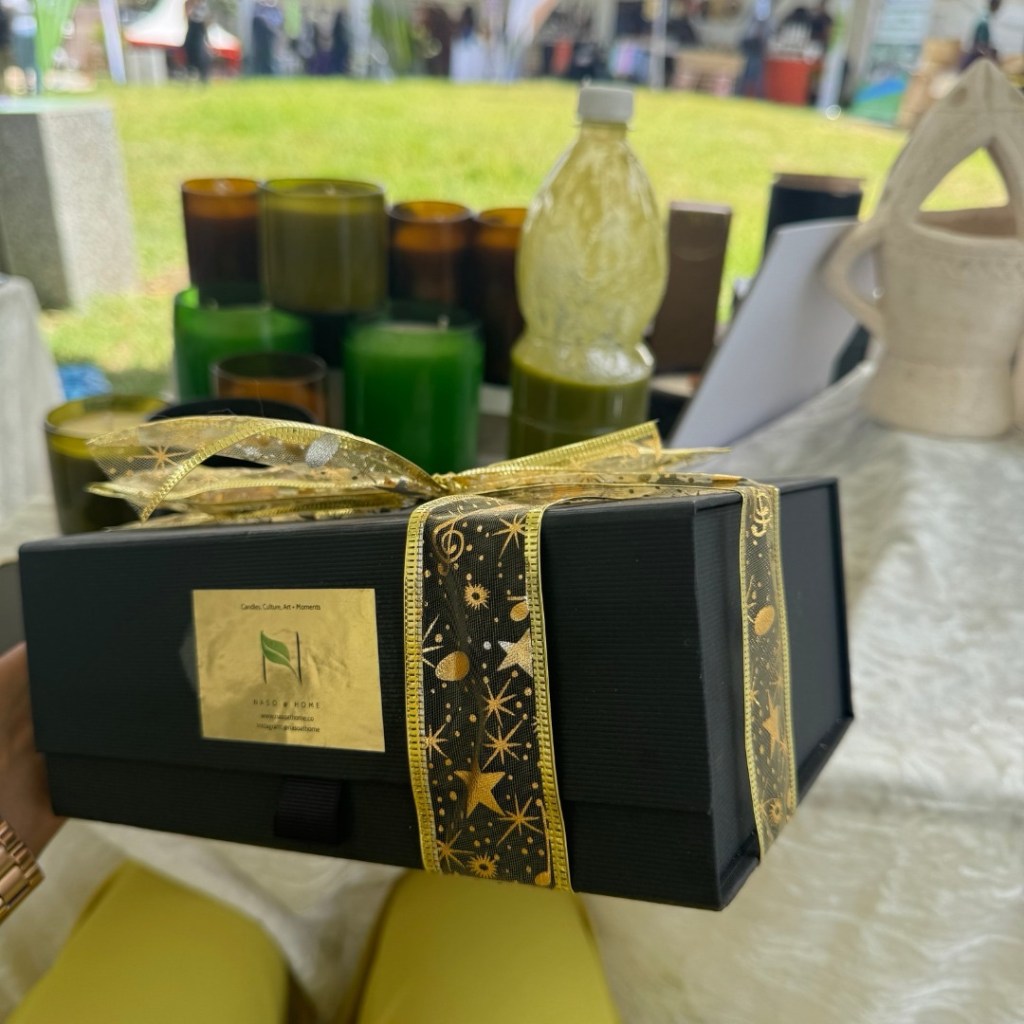
Stocked in its first retail store by Neha at The Artisanal Gallery
This marked a significant transition from pop-ups and markets into permanent retail presence, validating the brand’s product offering within a curated gallery setting.
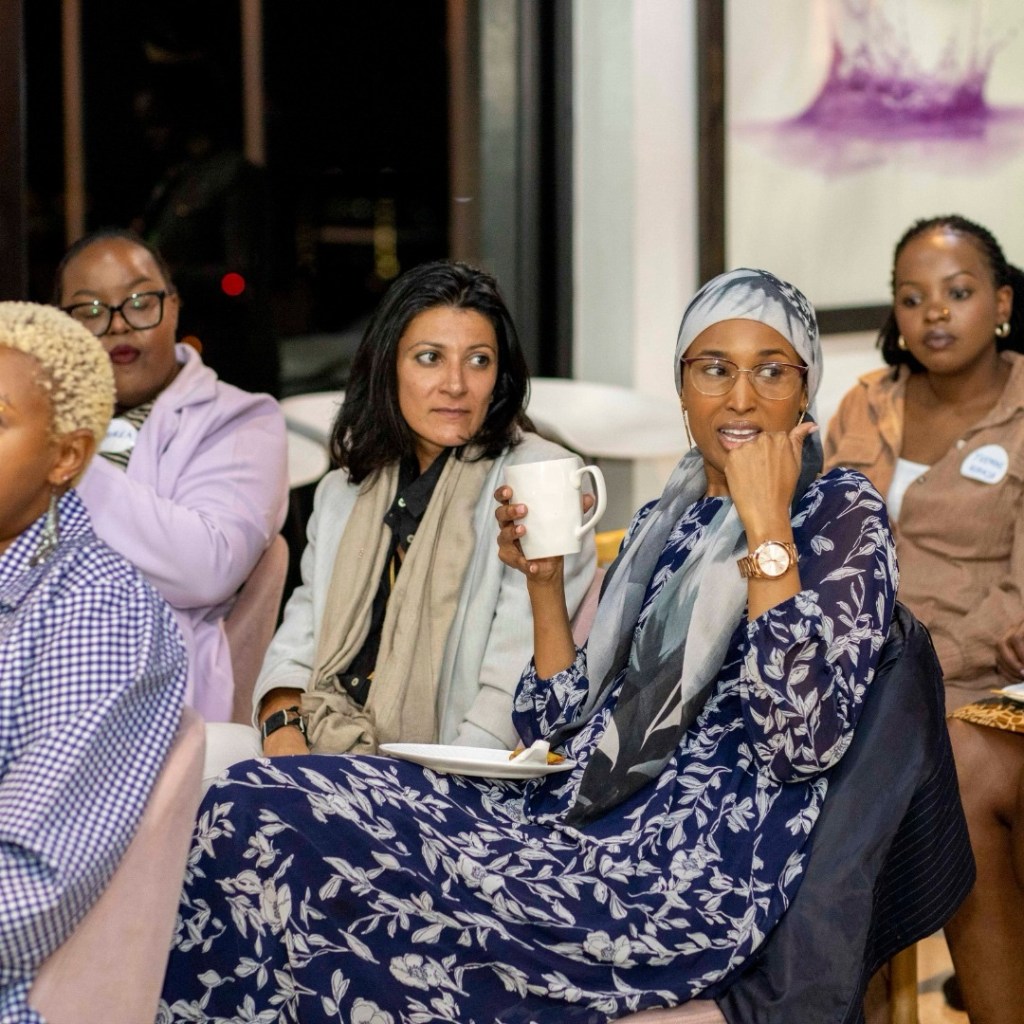
“Homecoming” was defined by strategic collaborations and relationship-building, including:
Becoming a member of Kayana Create, and participating in the Baki Beauty programme, which led to:
New business partnerships
The development and launch of @ Home Beauty (2025)
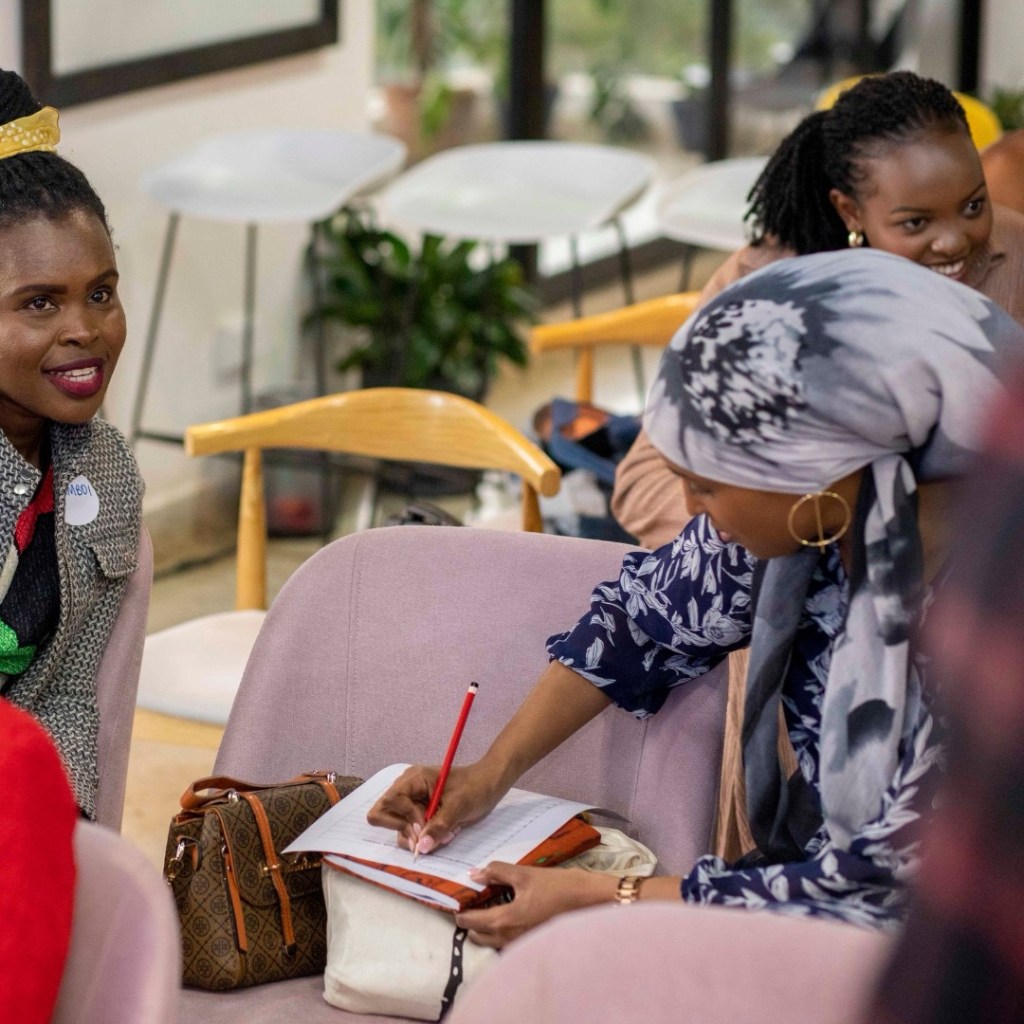
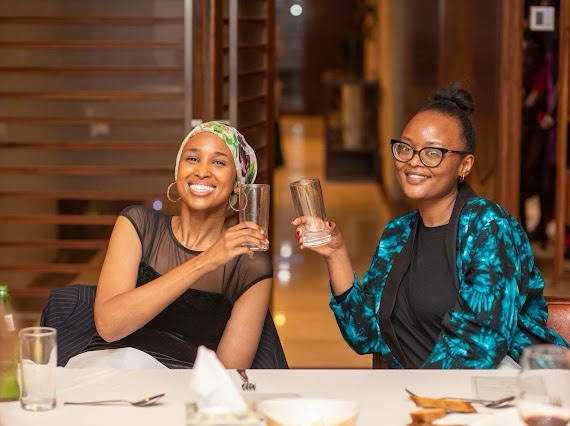
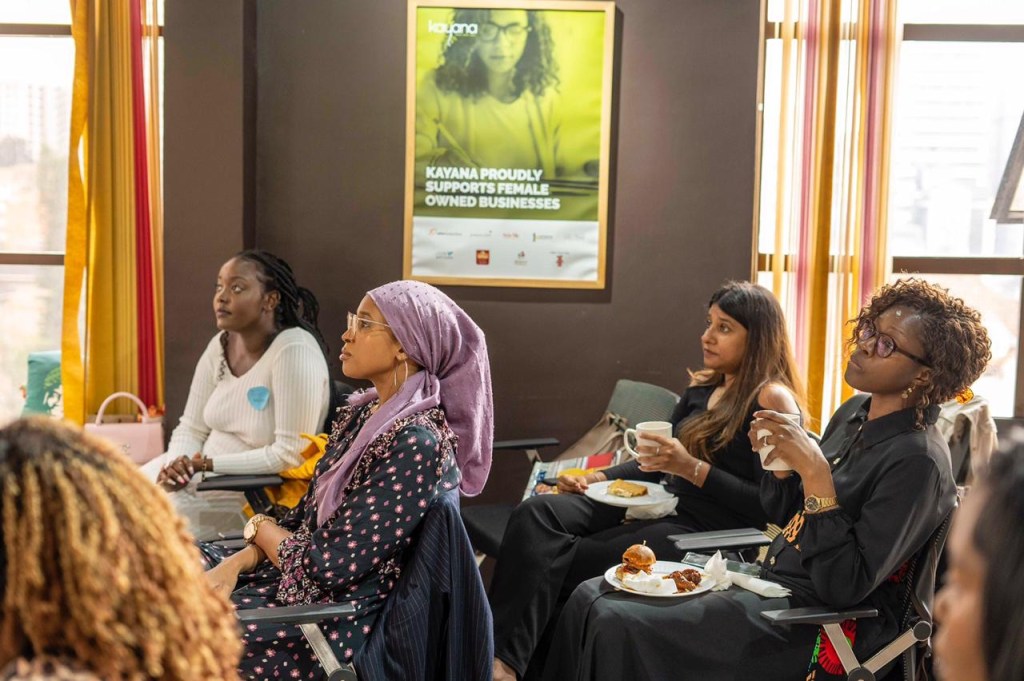
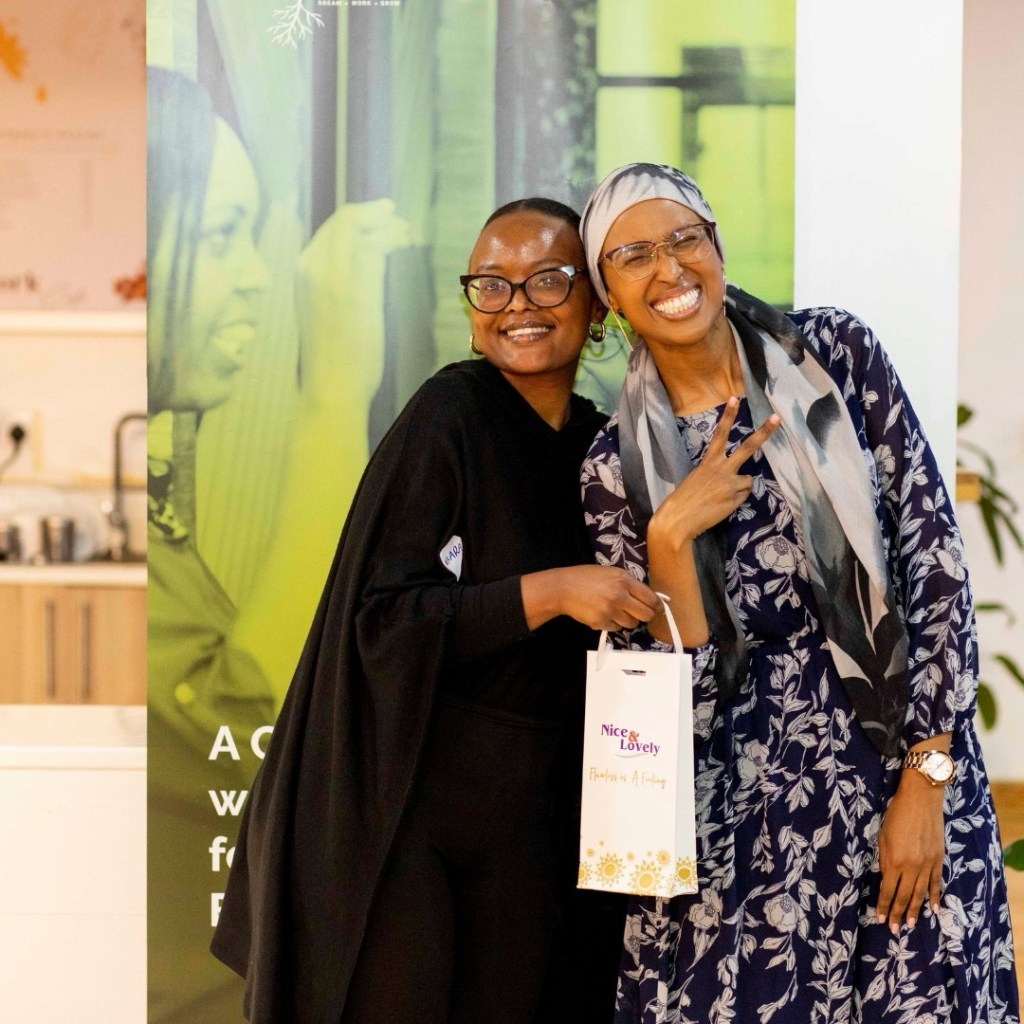
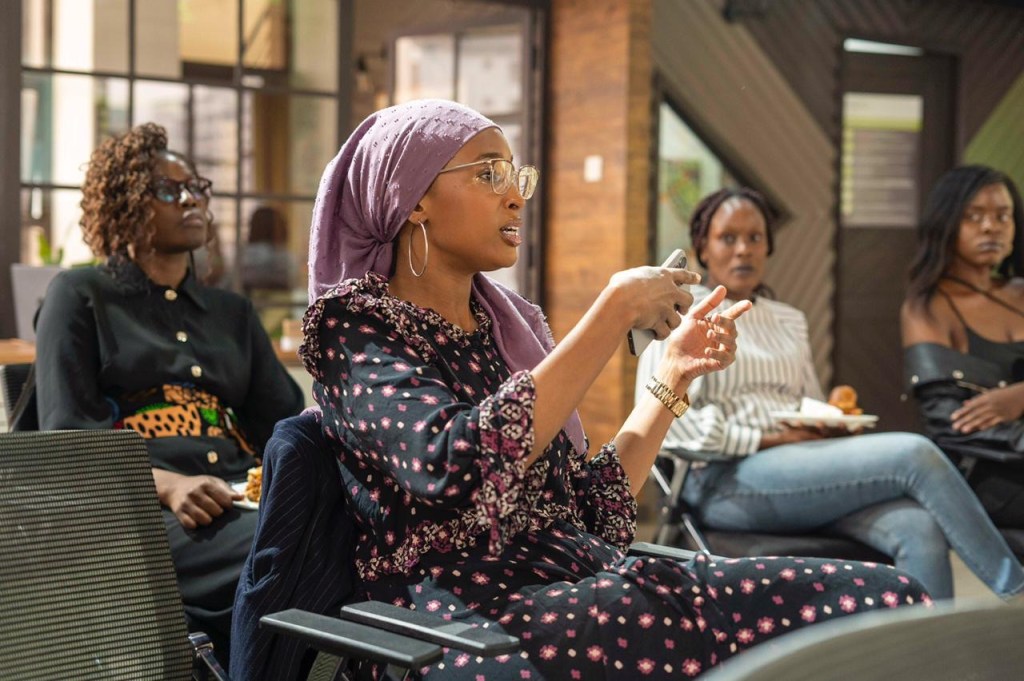
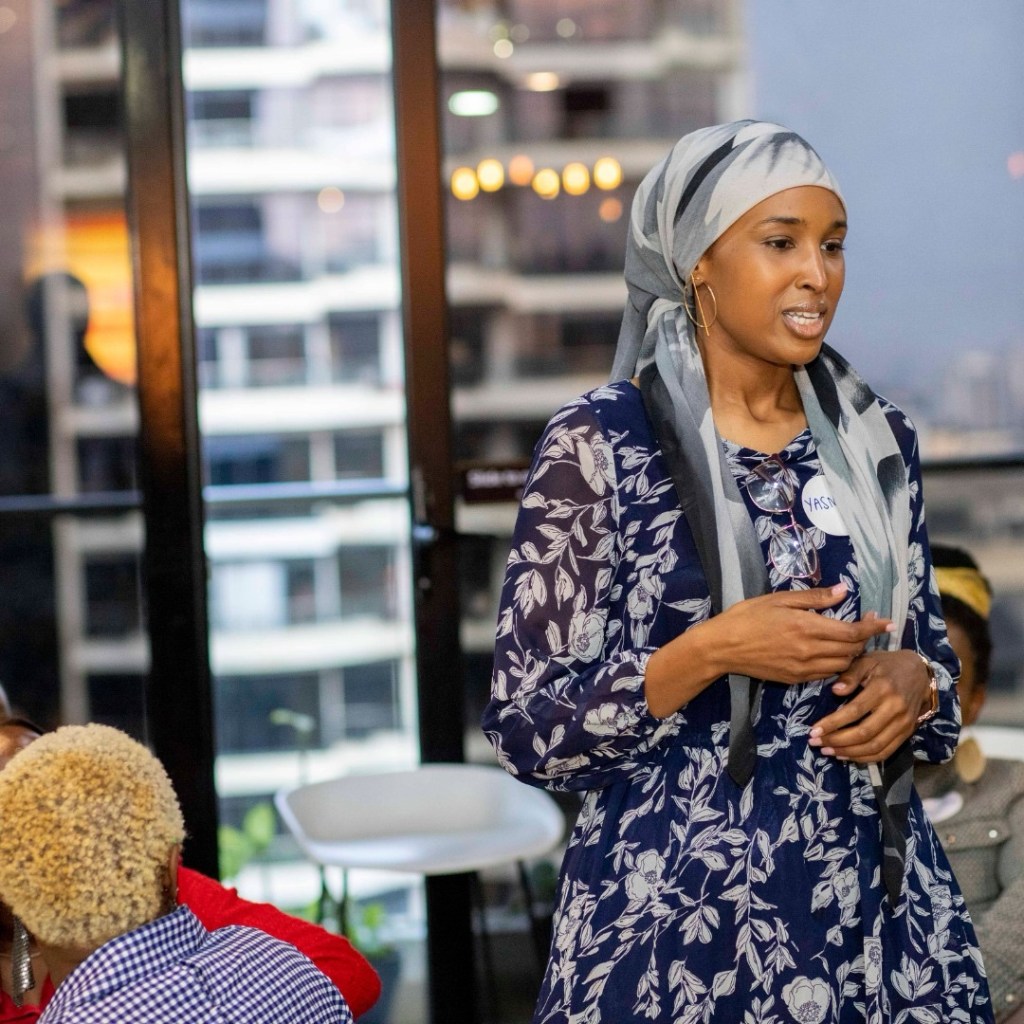
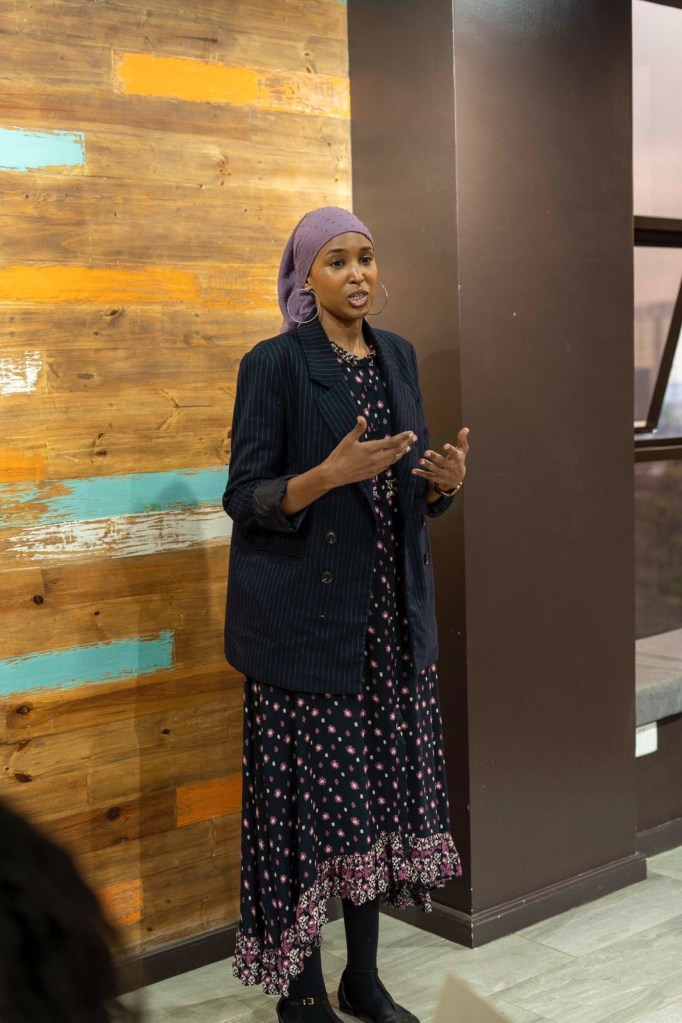
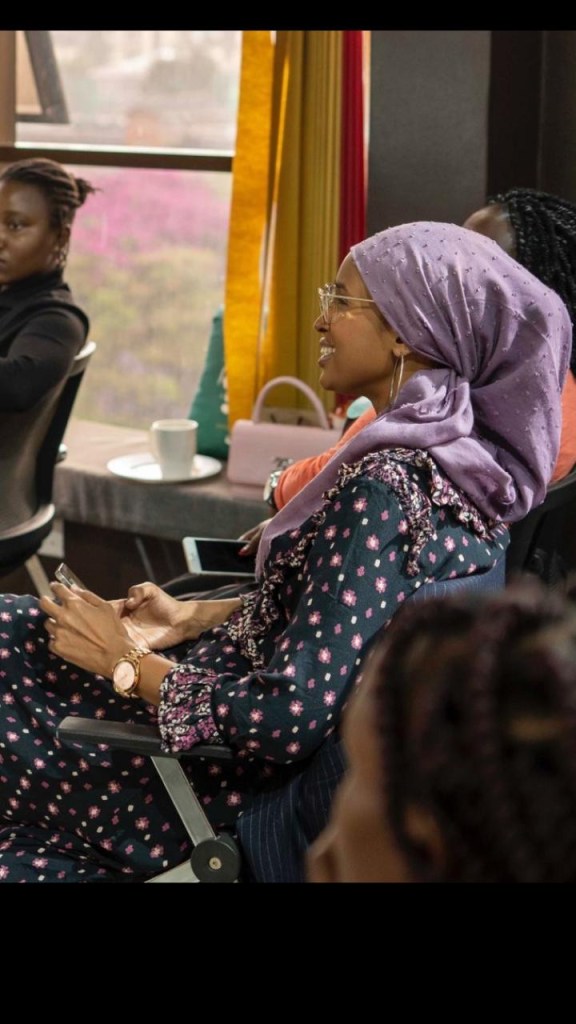
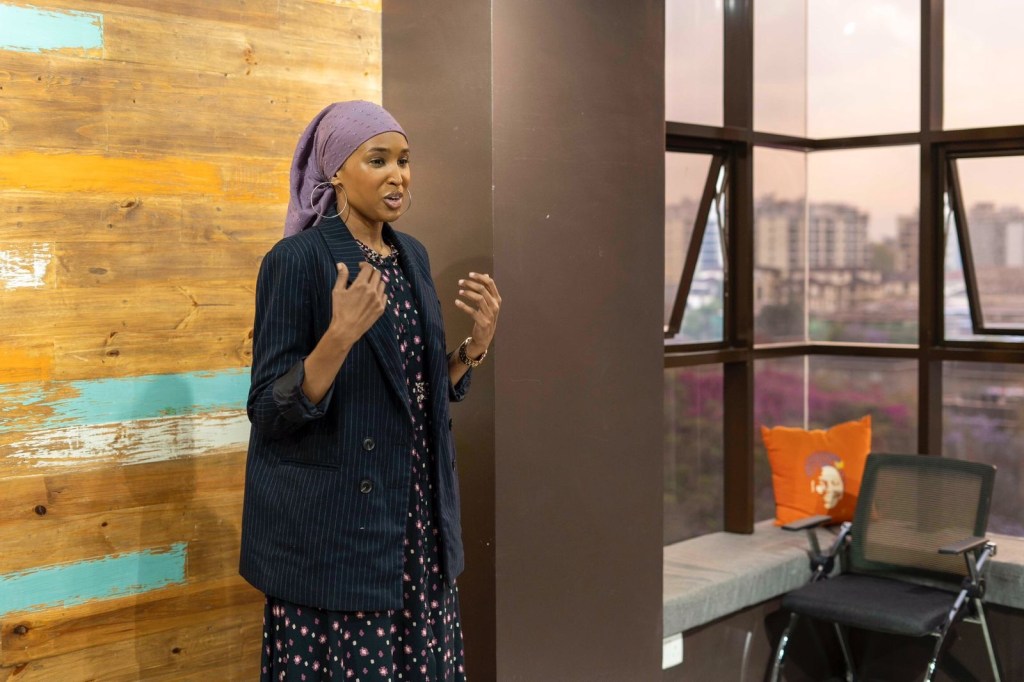
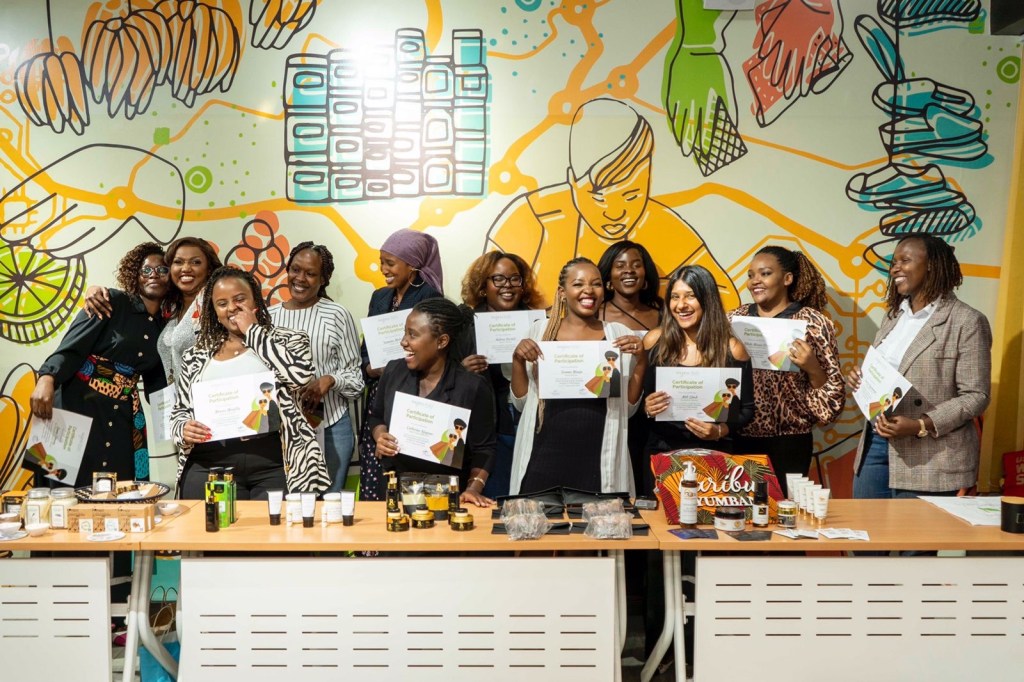
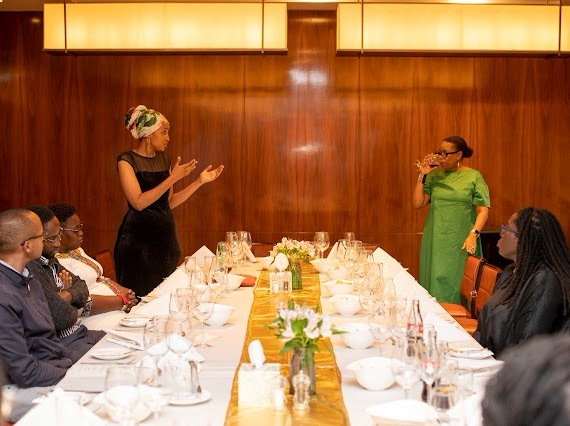
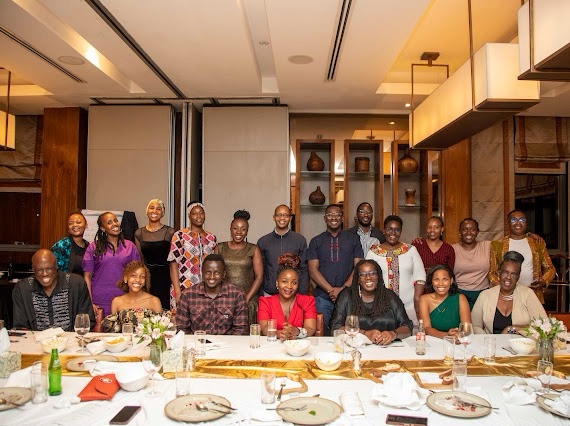
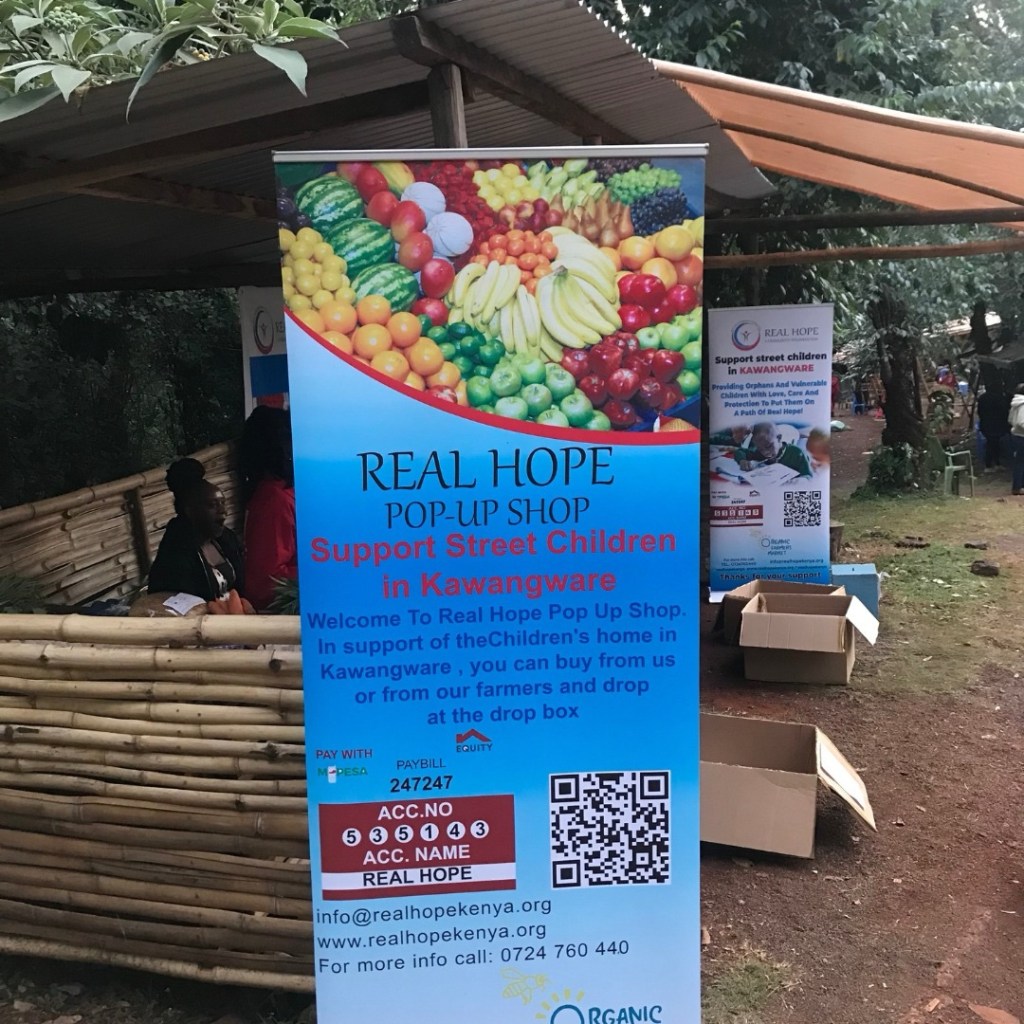
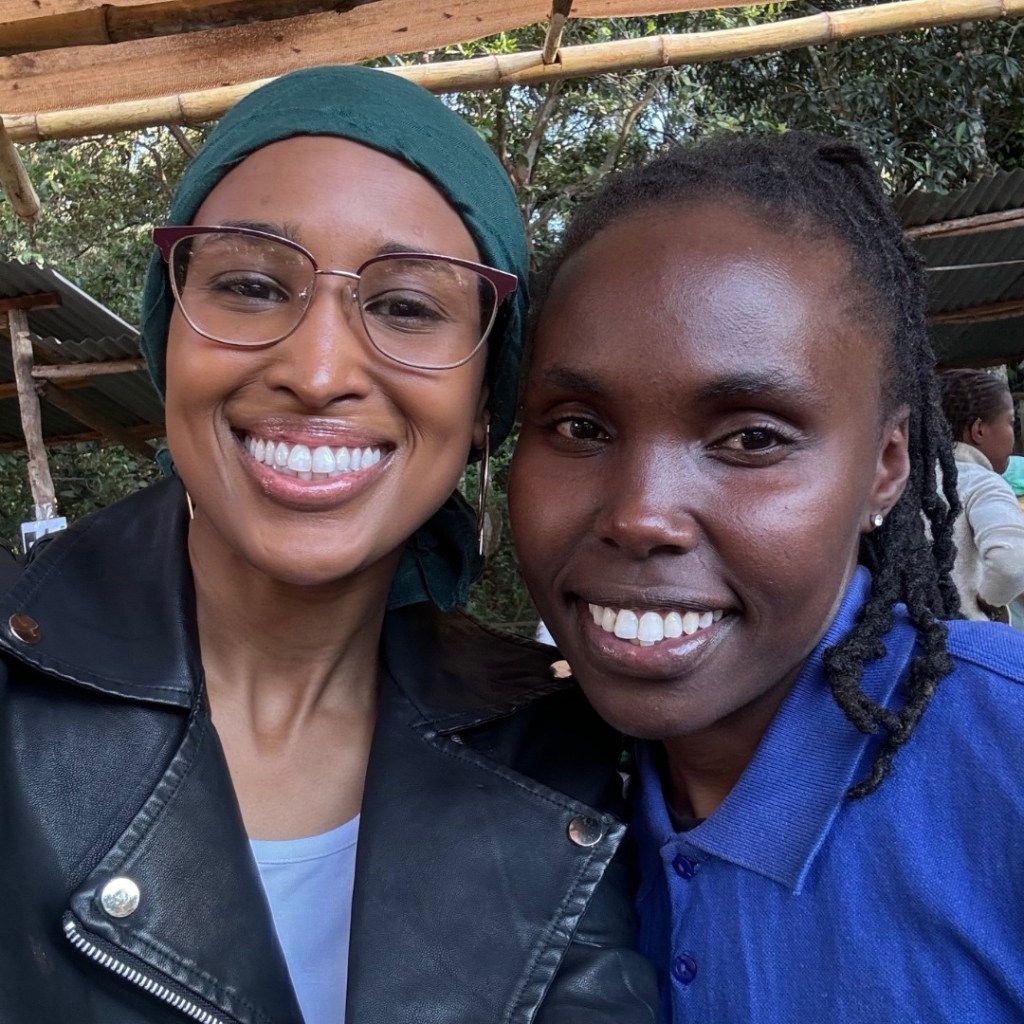
Engaging with the Real Hope Community Foundation, delivering hands-on candle-making workshops and skills training, focused on creativity, empowerment, and entrepreneurship.
NASO AT HOME embedded itself into accessible, everyday retail environments, including:
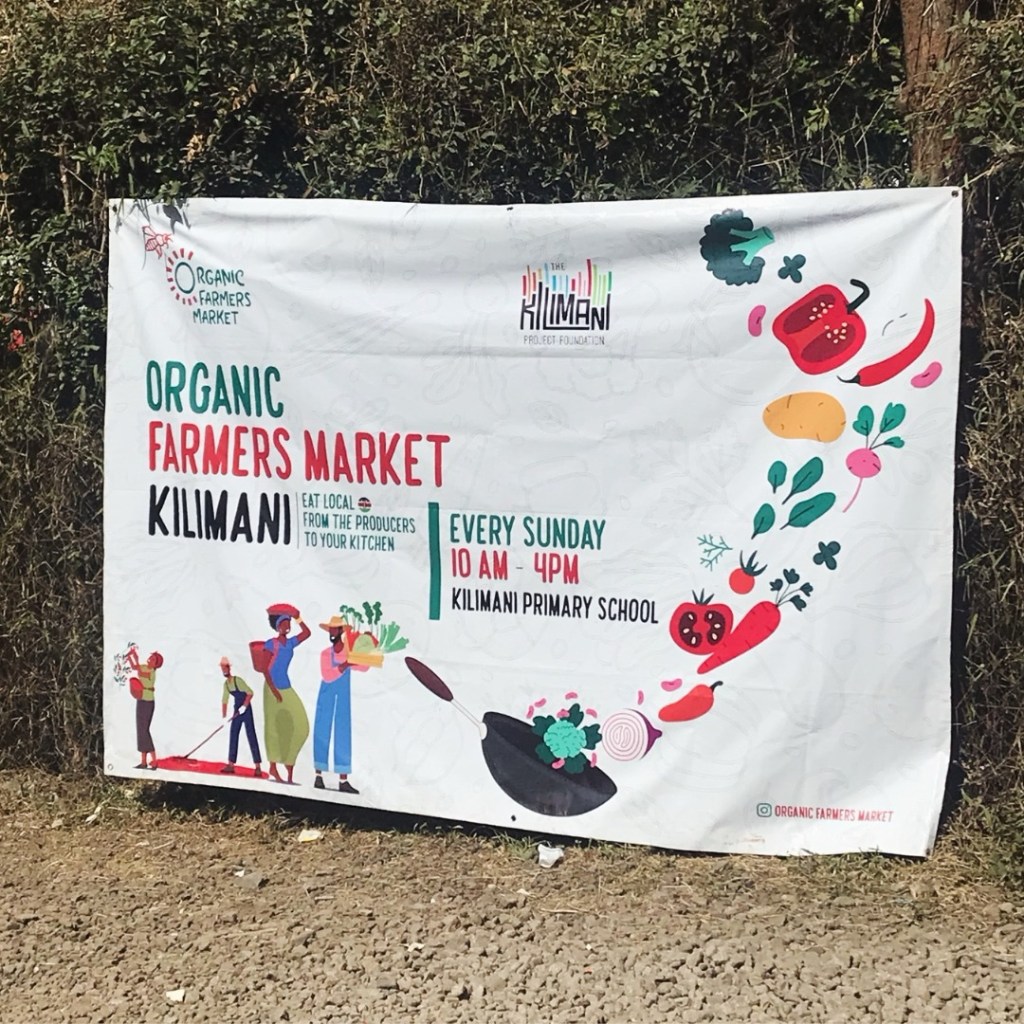
Weekend markets at Karen (Marula Lane) and Kilimani Primary School, allowing for:
– Direct engagement with local customers
– Consistent, community-facing brand visibility
– A more informal, relational retail model.

The “Homecoming” phase also marked a step into leadership within Kenya’s design ecosystem:
Nairobi Design Week
Joining Nairobi Design (Sept 2024) as Managing Director, interviewed and hired by Adrian Jabawocki and accepted as a member of the Board, positioned myself and NASO AT HOME as both a brand and an industry contributor. In joining the company, I was given the key to the office they shared with Sandstorm Kenya, and would be based there for 5 months.
Nairobi Design was also the return of my trailer park experience, following my time at ‘TikTok for Business’ (which I’ve since been informed was somehow connected to this new ordeal).
I’d joined the team at the end of September 2024. During my time at the company, I’d contributed to the creative direction, brand repositioning and communications strategy for Nairobi Design Week, helping rethink the festival’s visual identity, programming and public-facing narrative. The role involved creative critique, strategic thinking and stakeholder collaboration, with a focus on developing a more culturally relevant, contemporary and considered platform for African design.
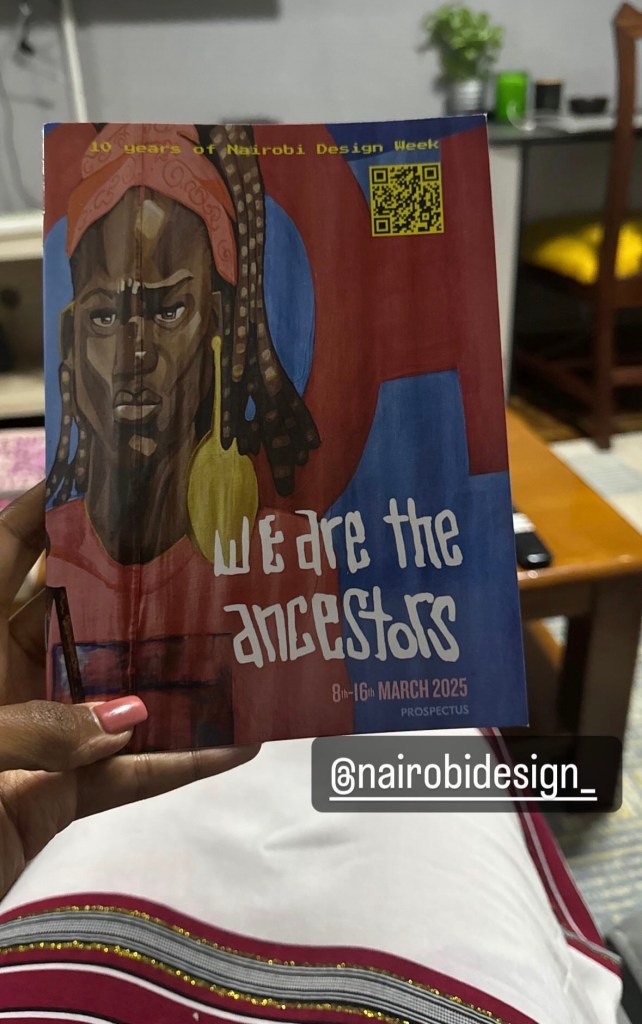
Pre-note: My first observation when joining was the cover of their prospectus. It was a beautiful piece of art, with an angry African woman highlighting gender based violence, on the cover of the 10 year anniversary celebrating design in Kenya? It seemed odd. But later came to no surprise, there was a theme at this company, trauma.
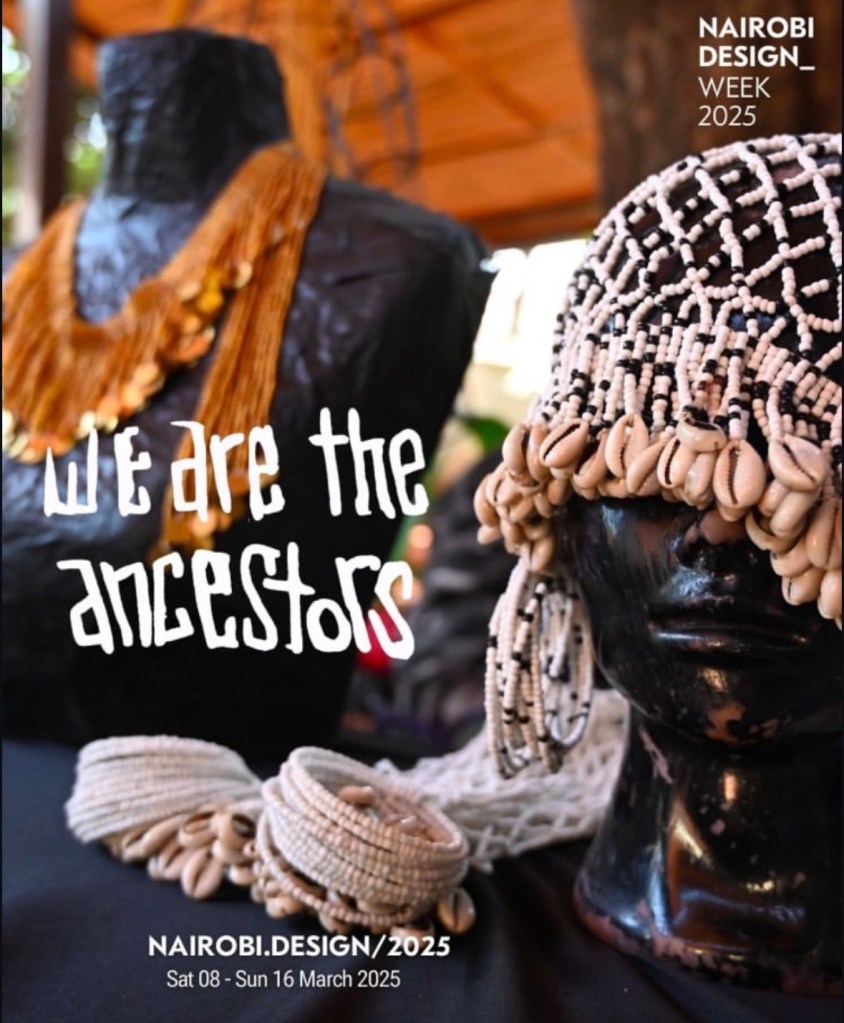
Amongst this was a number of tone deaf and questionable elements in the Design Week schedule and exhibitor line-up.
Who approved this was my first question?
We later agreed during a team meeting that the prospectus cover should change before we began communications and marketing, that we should rebrand and rethink the 2025 Design Week.
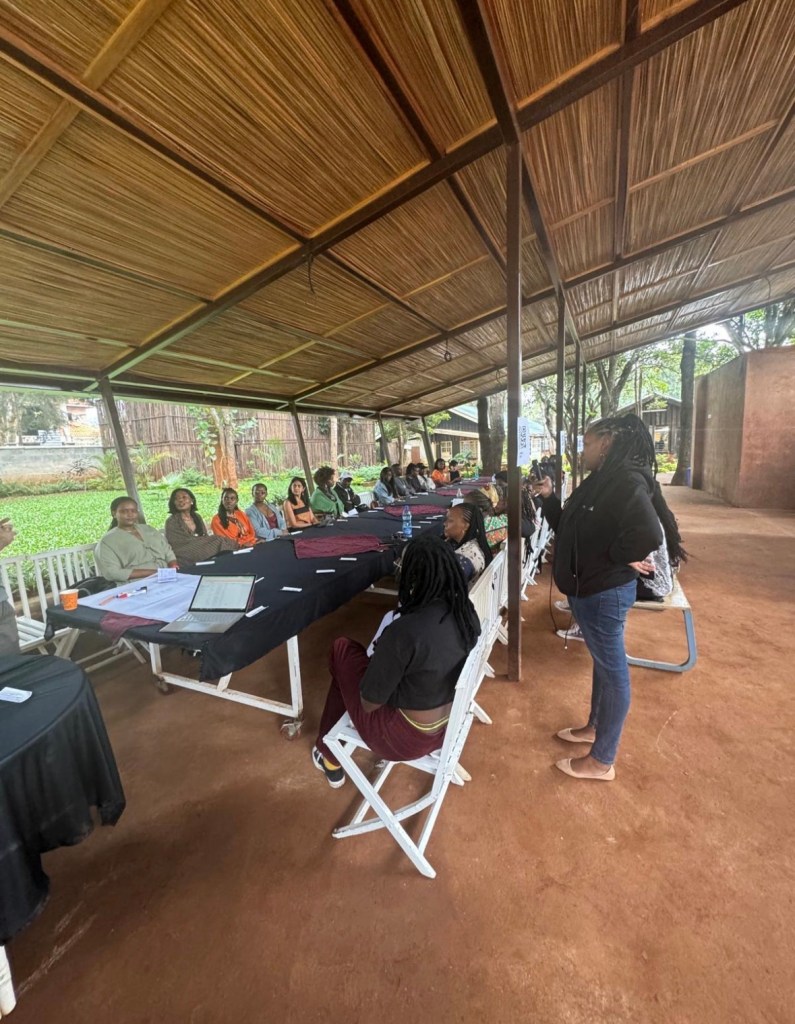
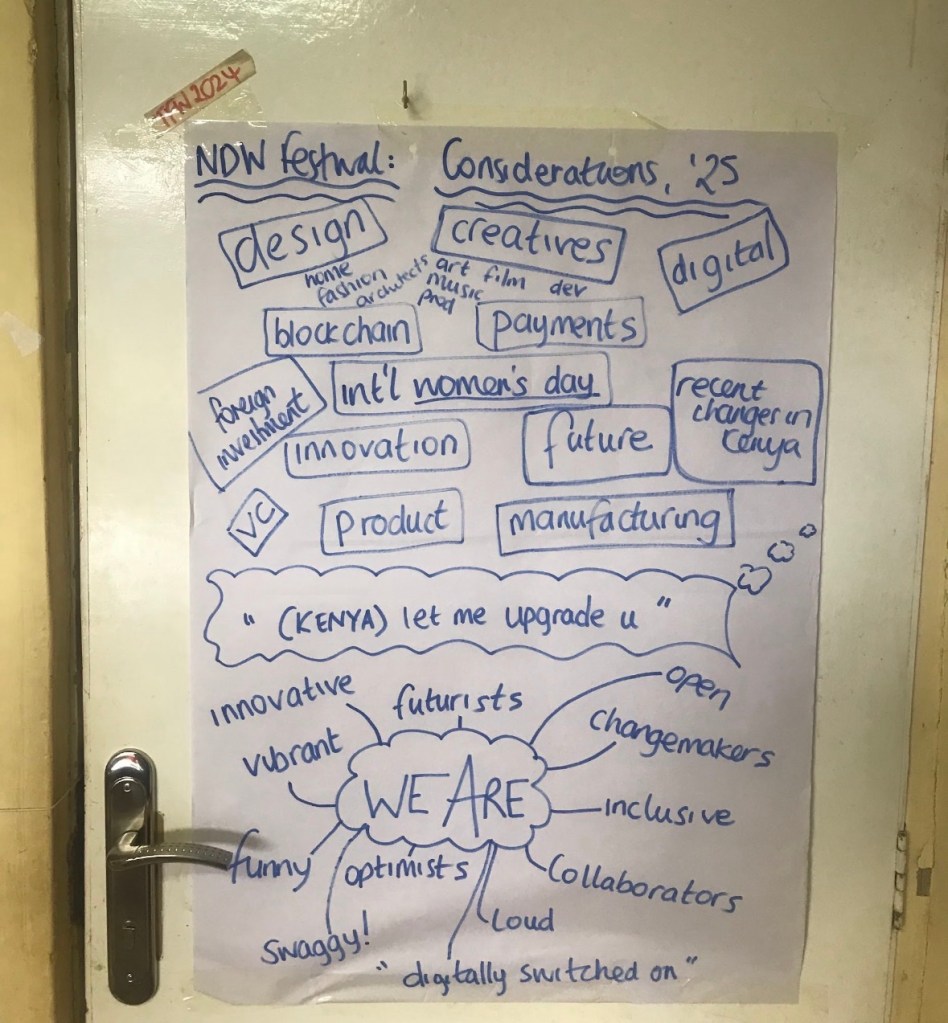
Nairobi Design is a Business, Design Studio and Community, and part of a global community of World Design Weeks. During my time, I was responsible for the following:
• Reorganised internal structure, led recruitment and HR operations, and optimized business processes.
• Led advisory, rebranding efforts, partner engagement, and financial management and processes.
• Managed exhibitor and vendor communications, onboarding and open days, as well as direction for festival volunteers, including internal onboarding, training and open days
• Co-led curation of a 9-day festival program featuring panels, industry collaborations, and sponsor activations for the 10th anniversary.
• Formalized strategic partnerships, including Sandstorm Kenya as primary venue host, Afrika House, Design Boom, Spring Valley, Kayana Create, Embe Creatives, Roam Electric, Unseen Cinema, ICEA Lion (secured a paid sponsorship from ICEA Lion, who offered six figures to exhibit at the event), and an education partnership with Brookhouse International School.
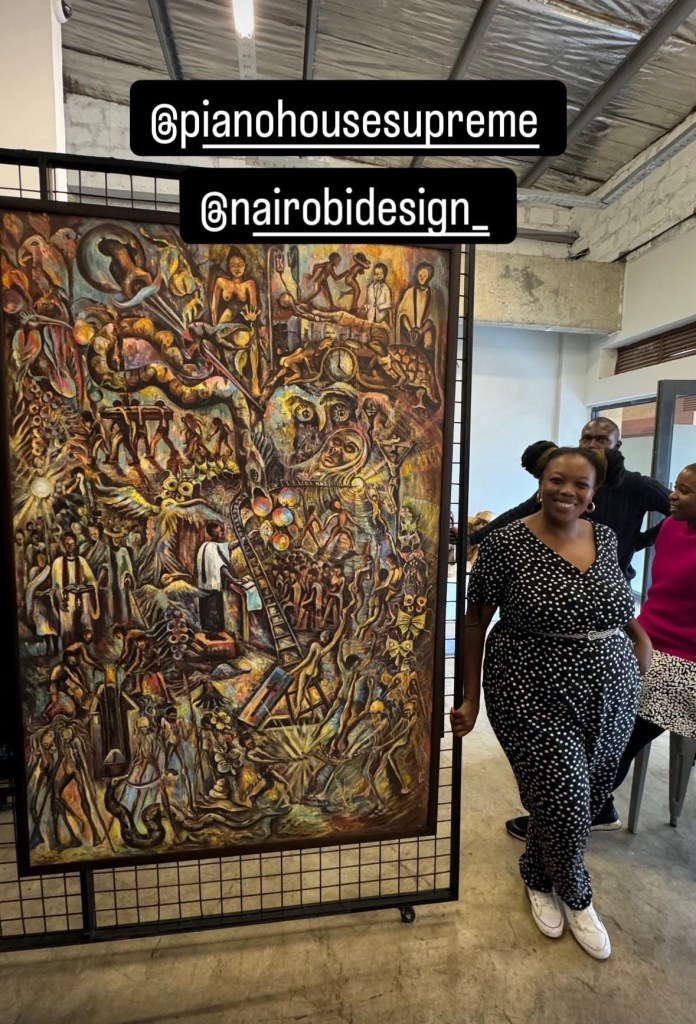
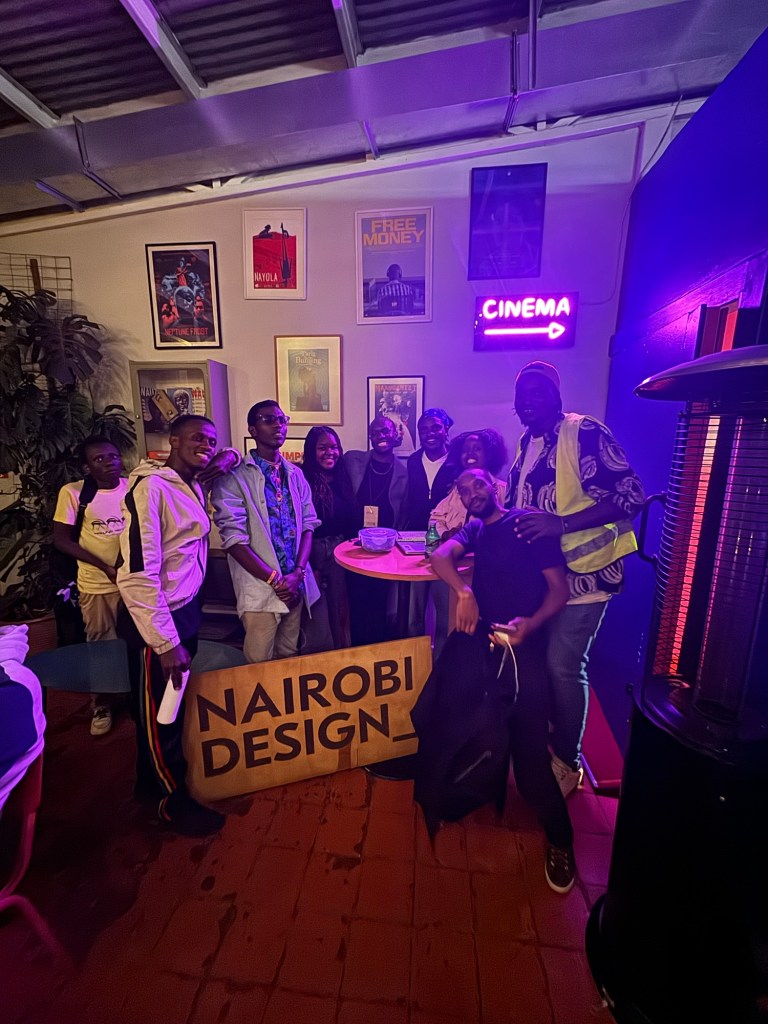
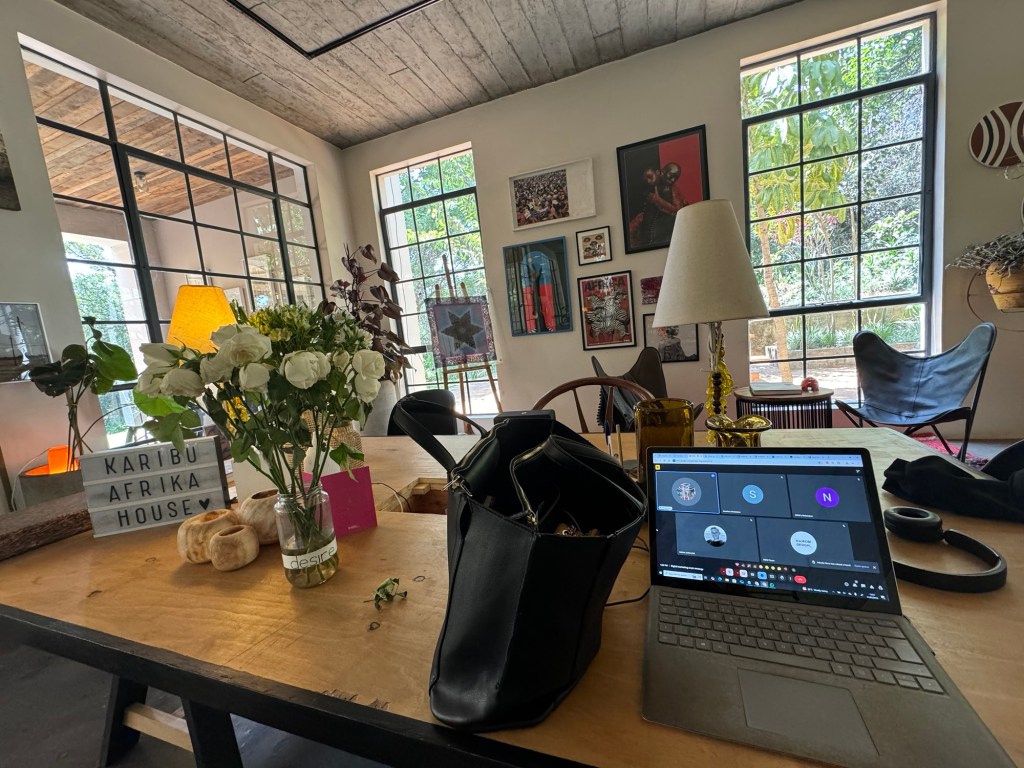
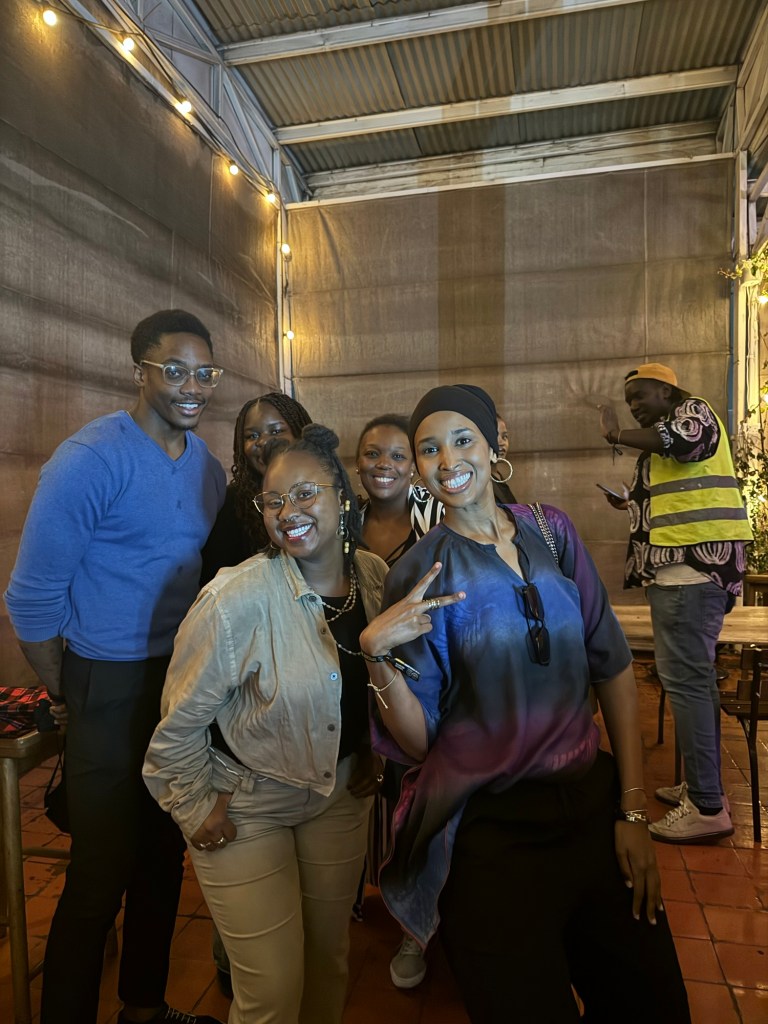
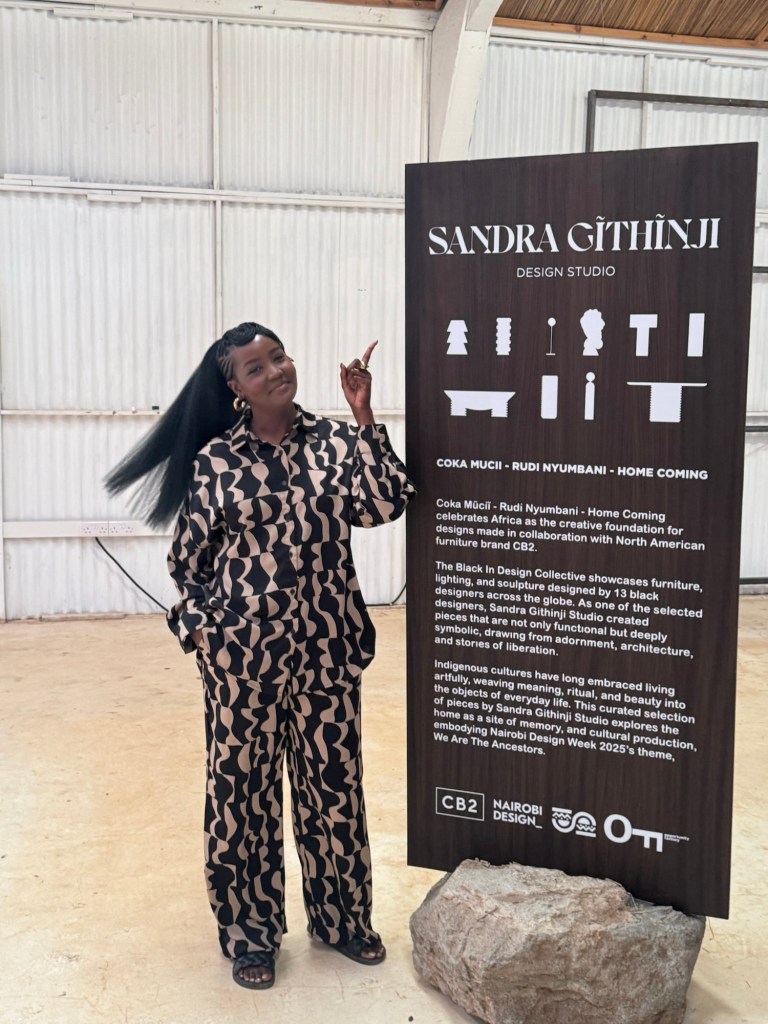
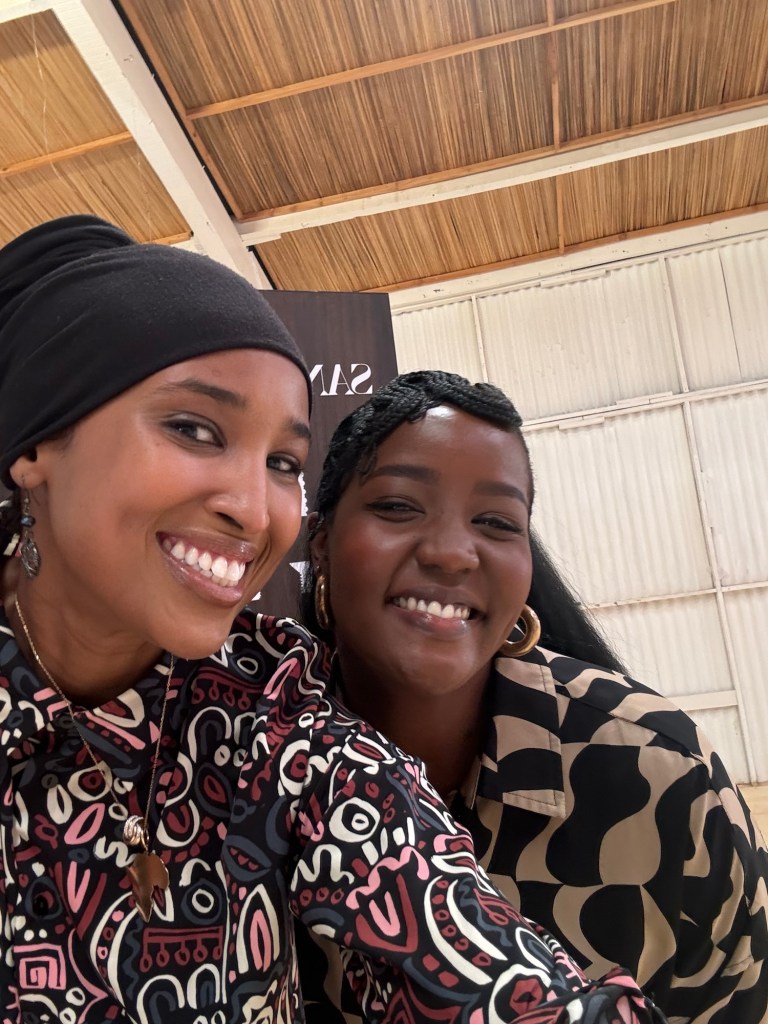
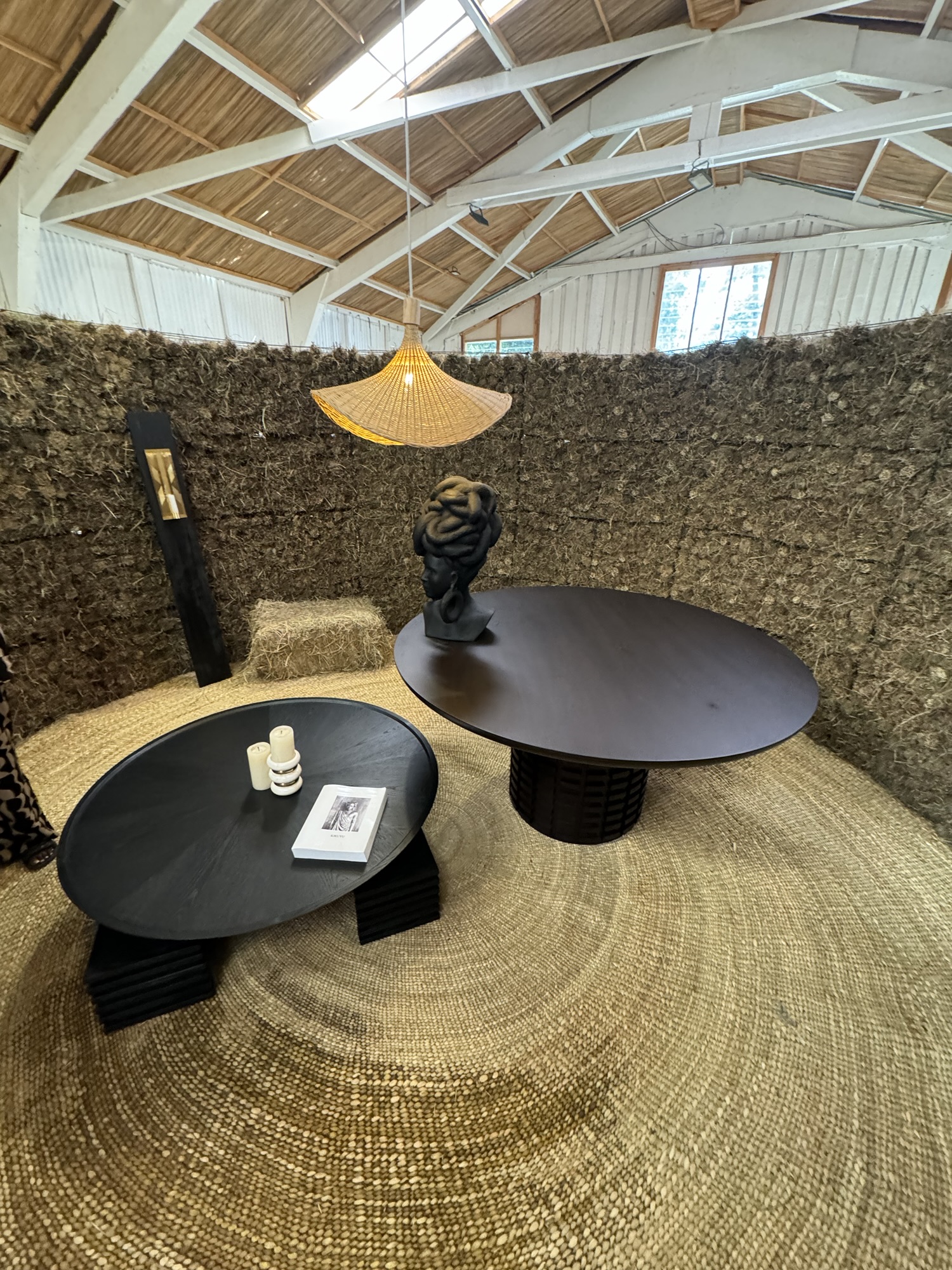
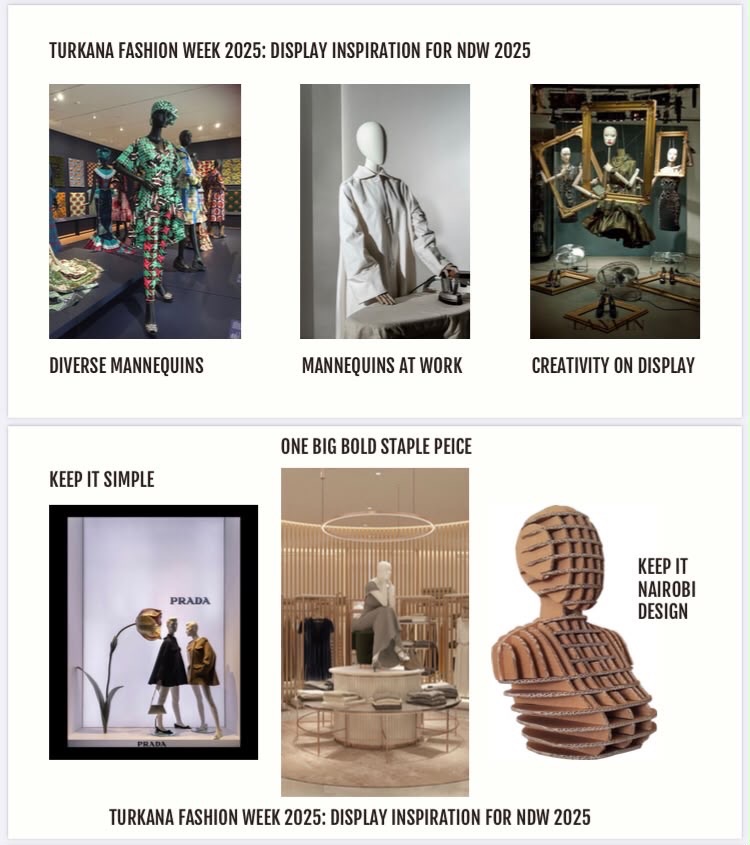
Additionally, led project management and direction efforts for a community project titled ‘Turkana Fashion Week’ which was a multi-stakeholder / cross functional endeavour led by a former refugee from Kakuma to showcase the work of his peers from the county, as well as his own designs. The project did not surface and was not delivered due to budget constraints and internal challenges.
Original Concepts and Recommendations by Yasmine, for Nairobi Design Week
There were a few exhibitor recommendations I managed to put forward, of which the best addition was a group of creative children who were to travel to Nairobi from Lamu (Ubinufi Lamu); they were definitely the Design Week festival highlight!
The premise of the 2025 Design Week was around ancestry, the present and the future. So I researched and called upon some young talent to lead the way.
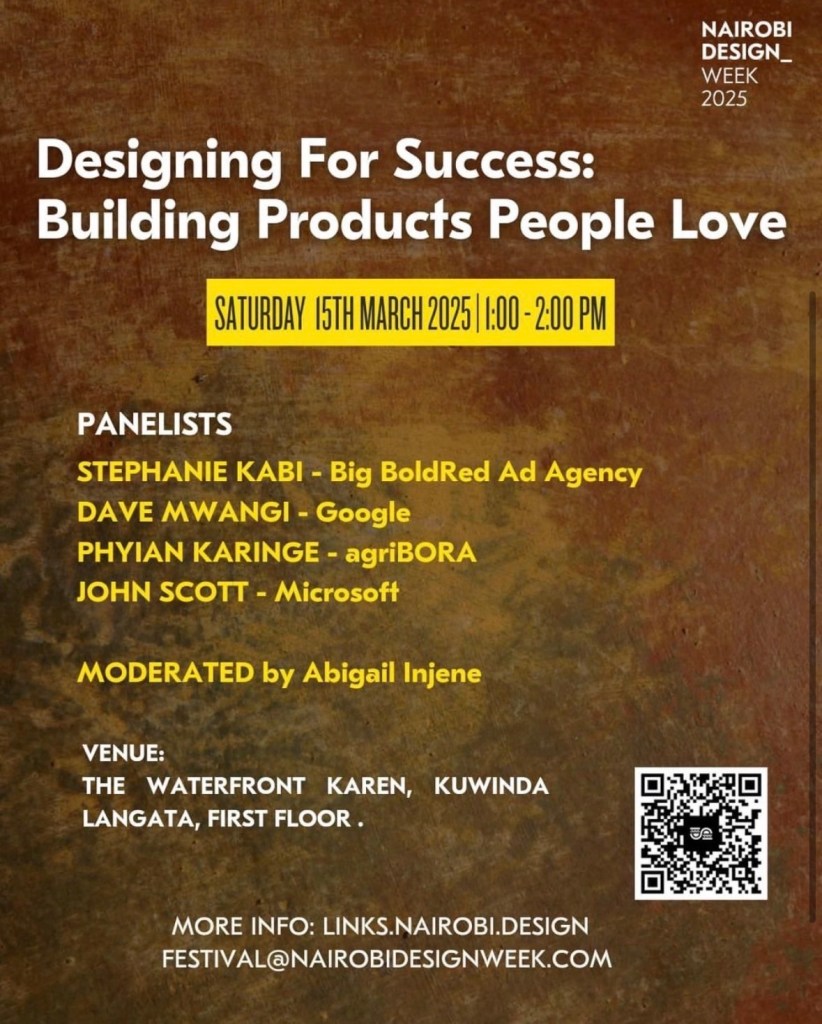
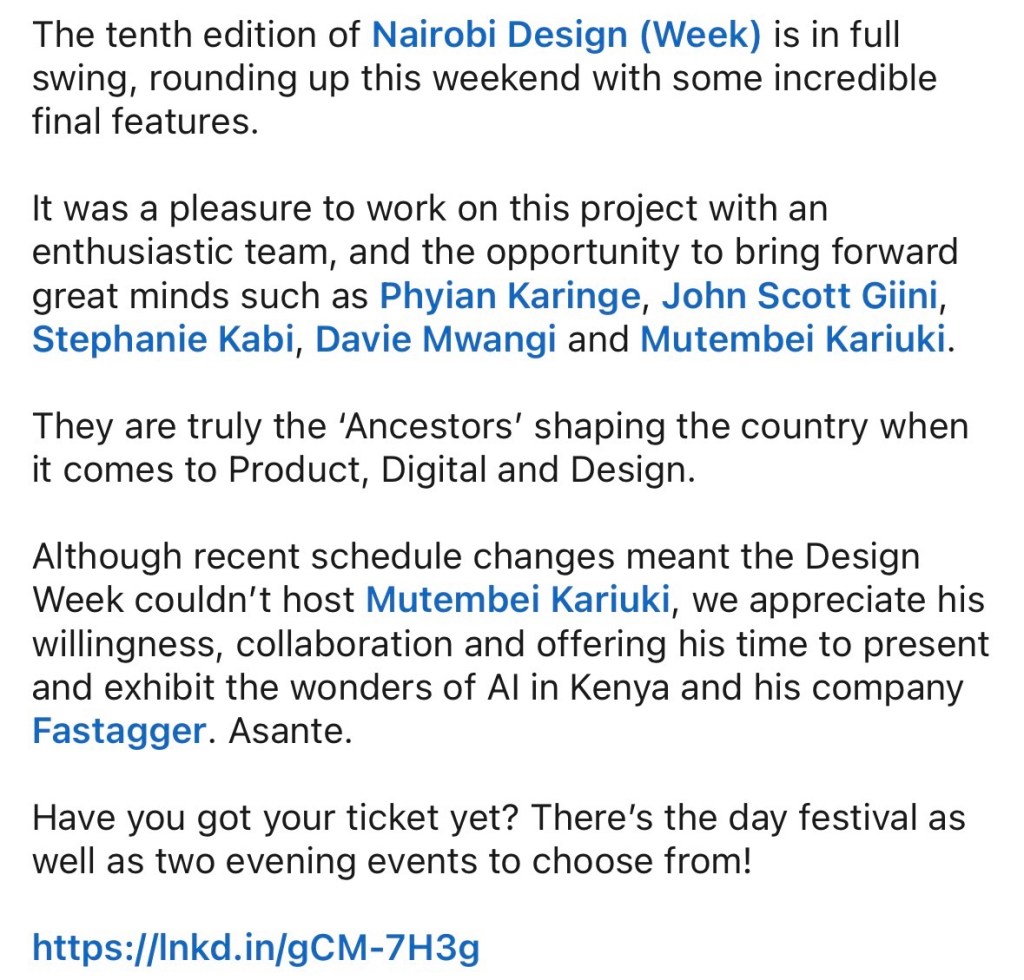
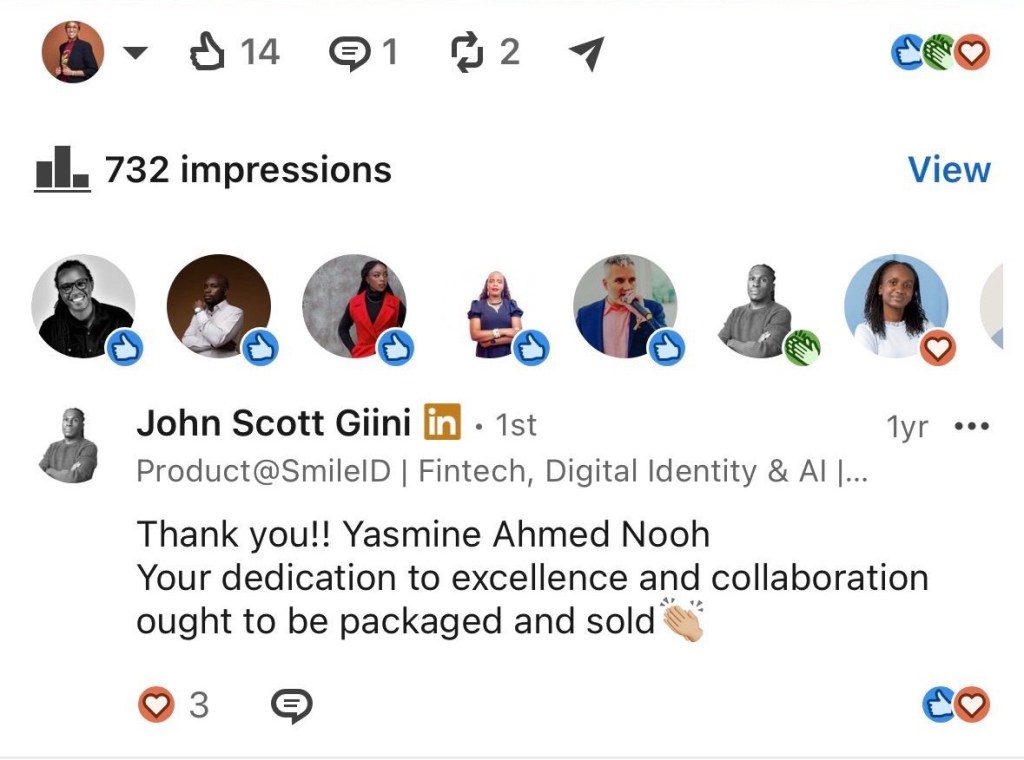
A spotlight moment from my recommended event curation was a Product Design and Product Development panel featuring some young Kenyan talent working at top companies in the country!
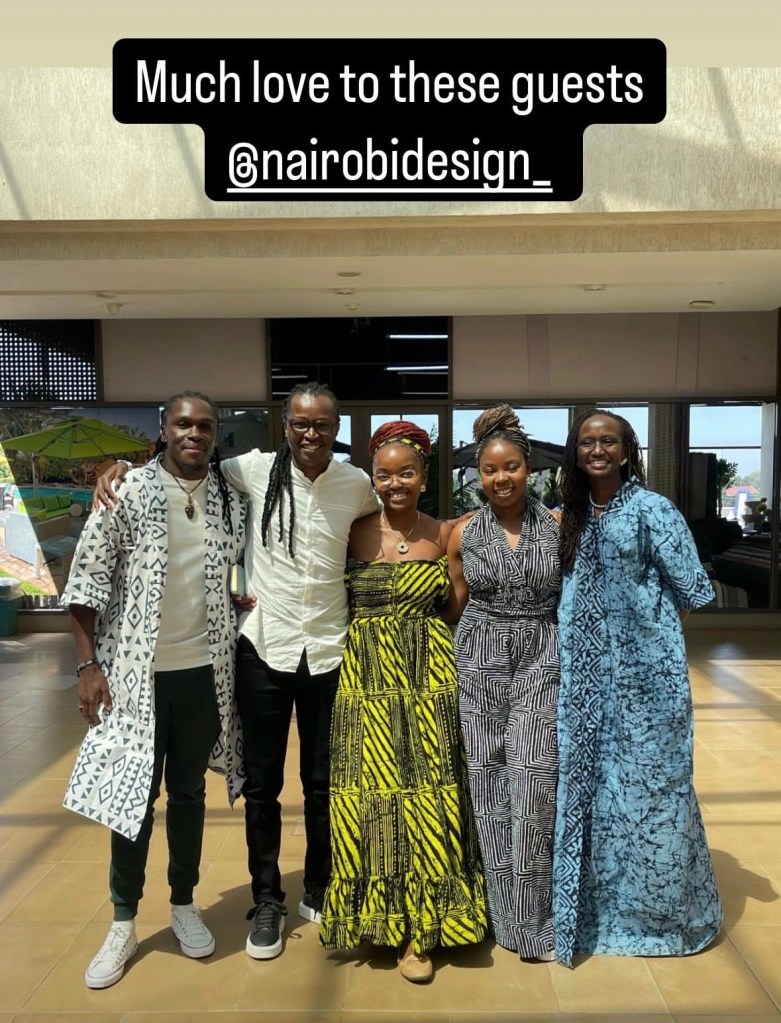
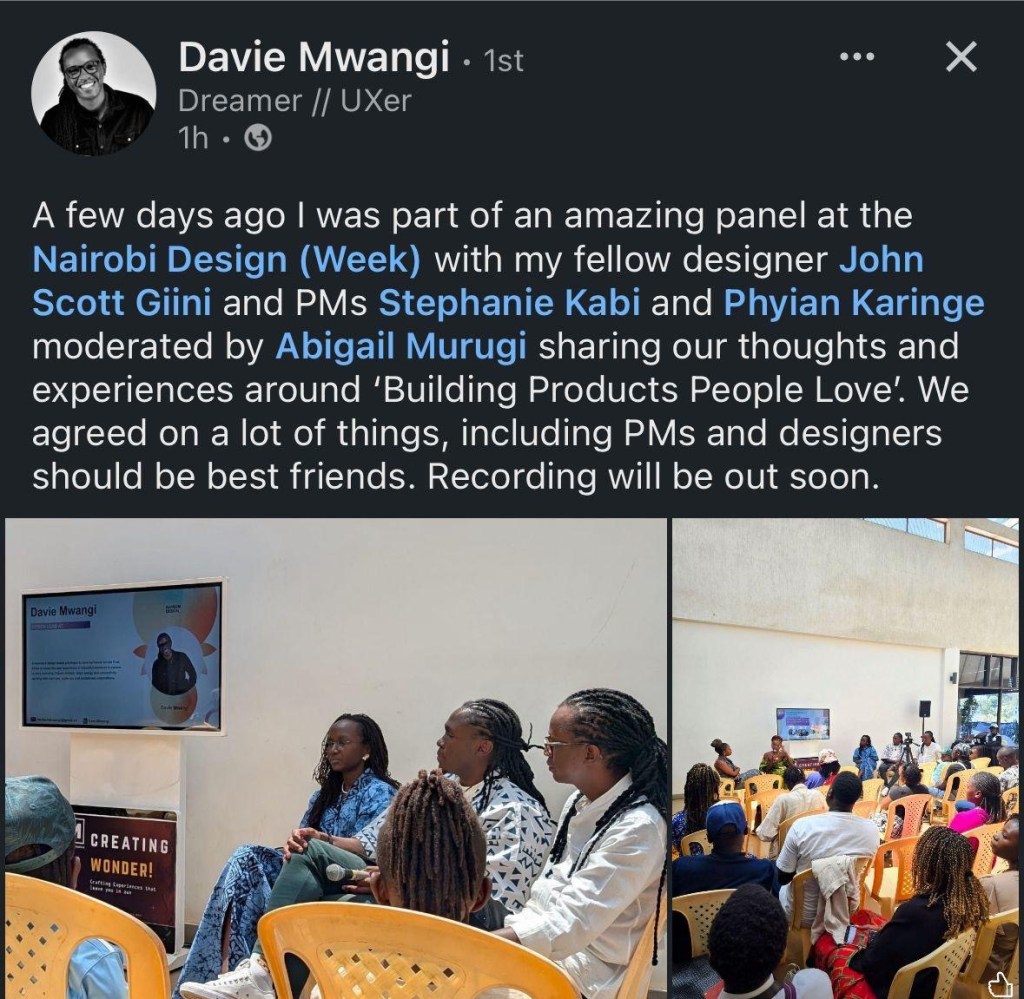
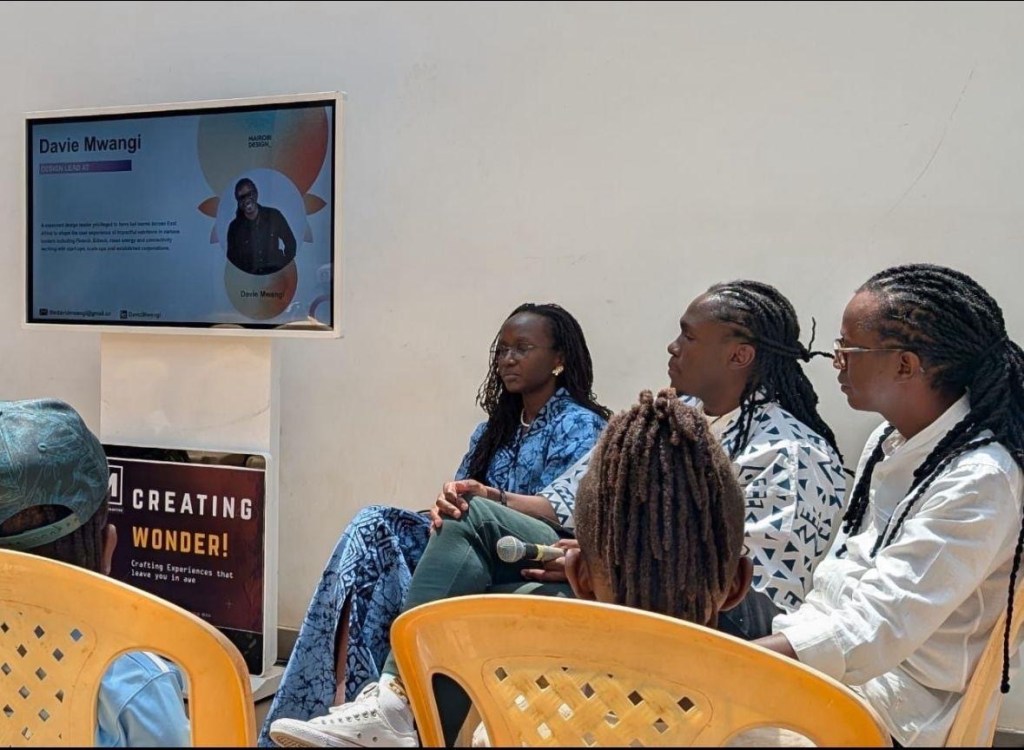
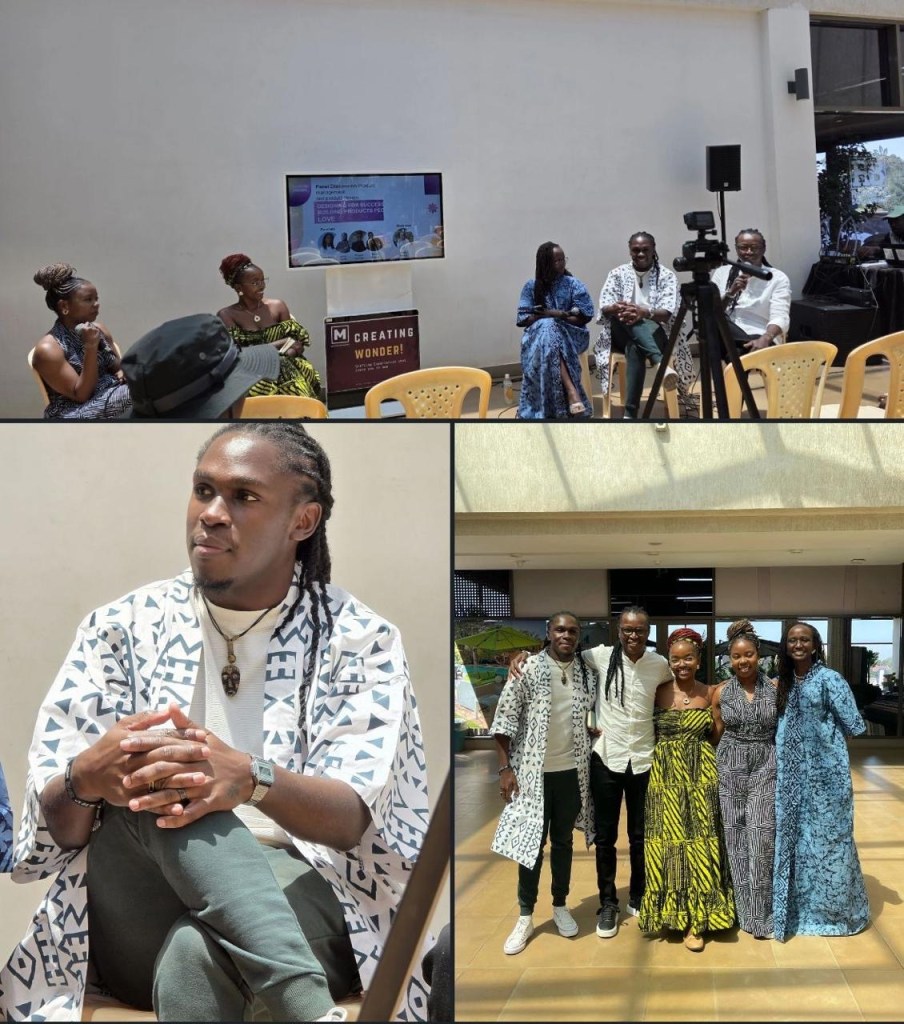
Other examples of original works submitted to Nairobi Design Week for consideration included the following:
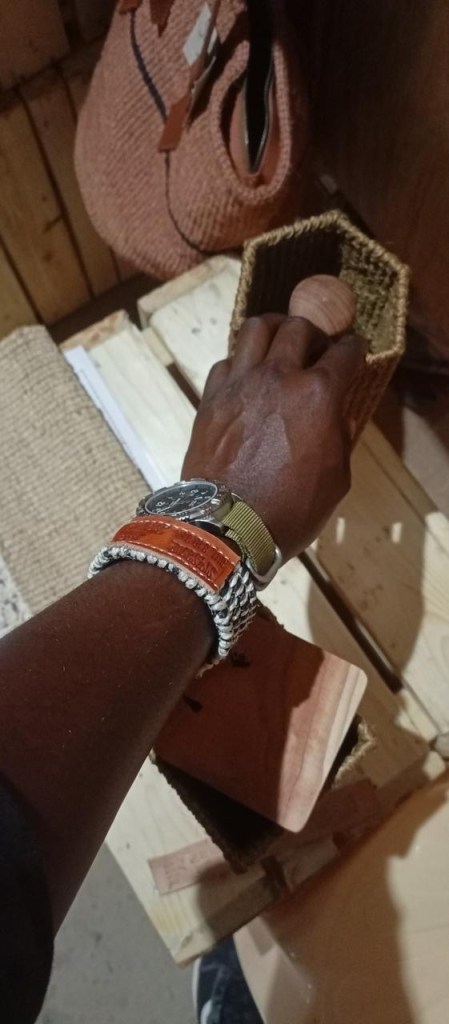
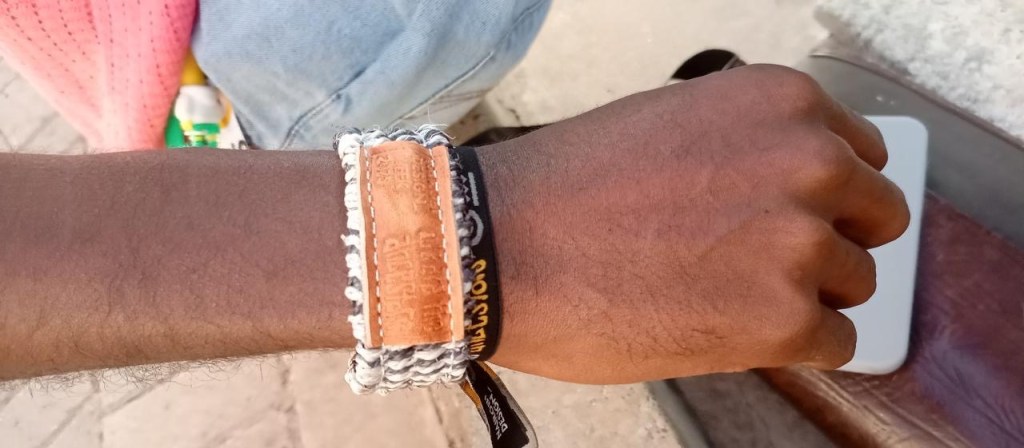
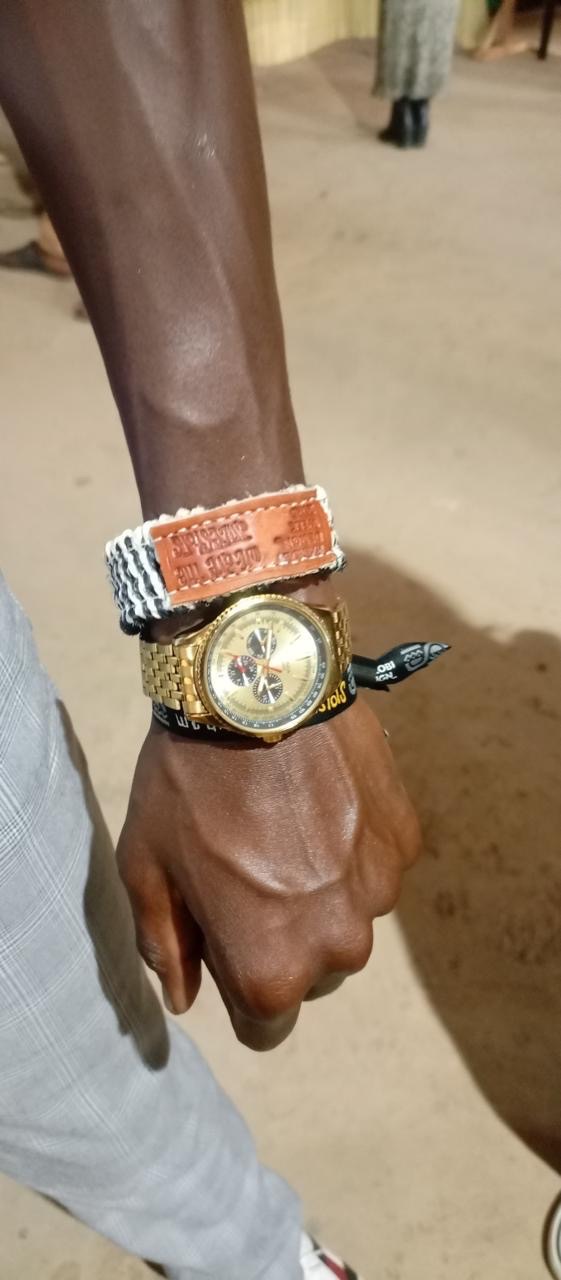
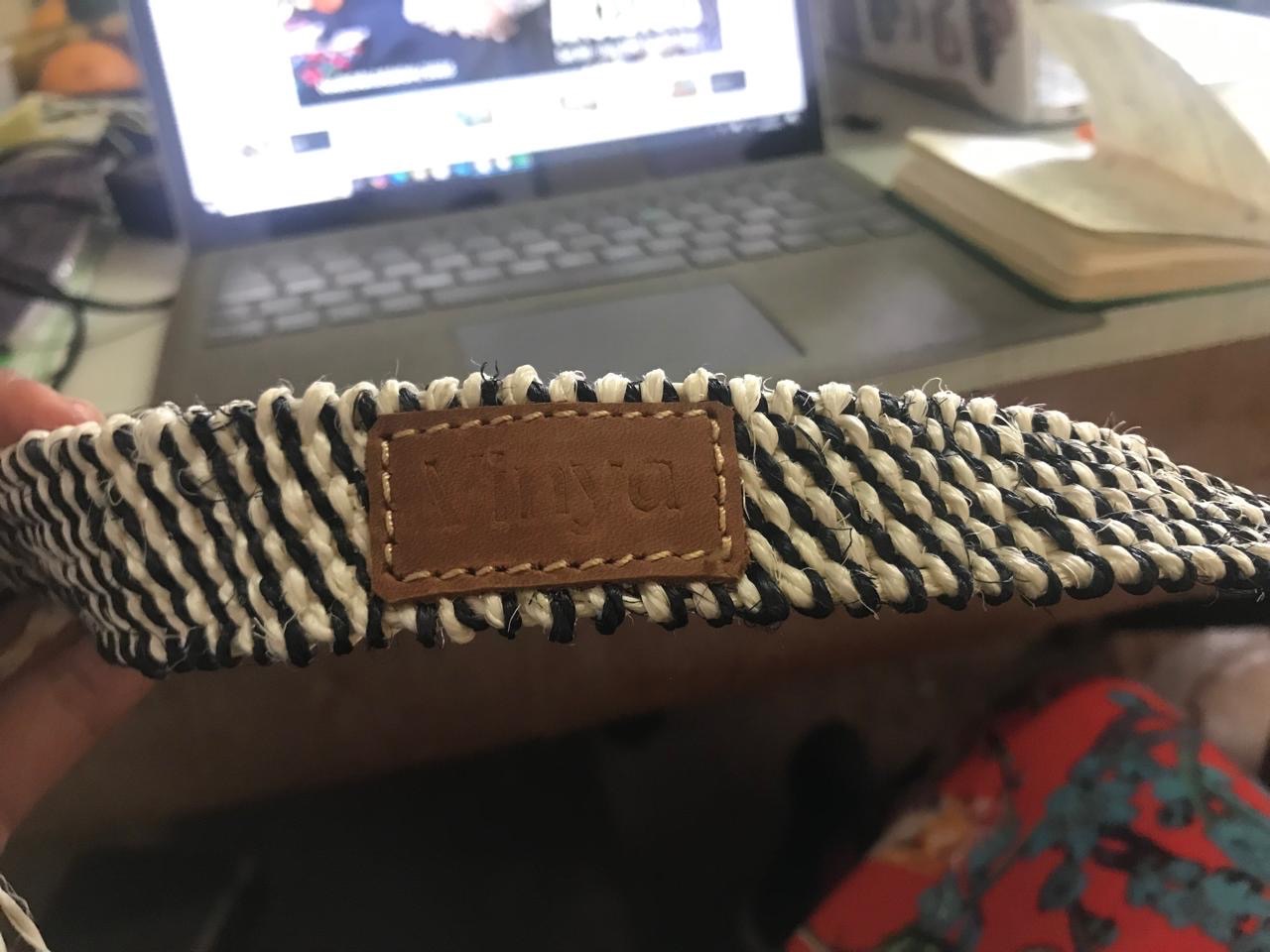
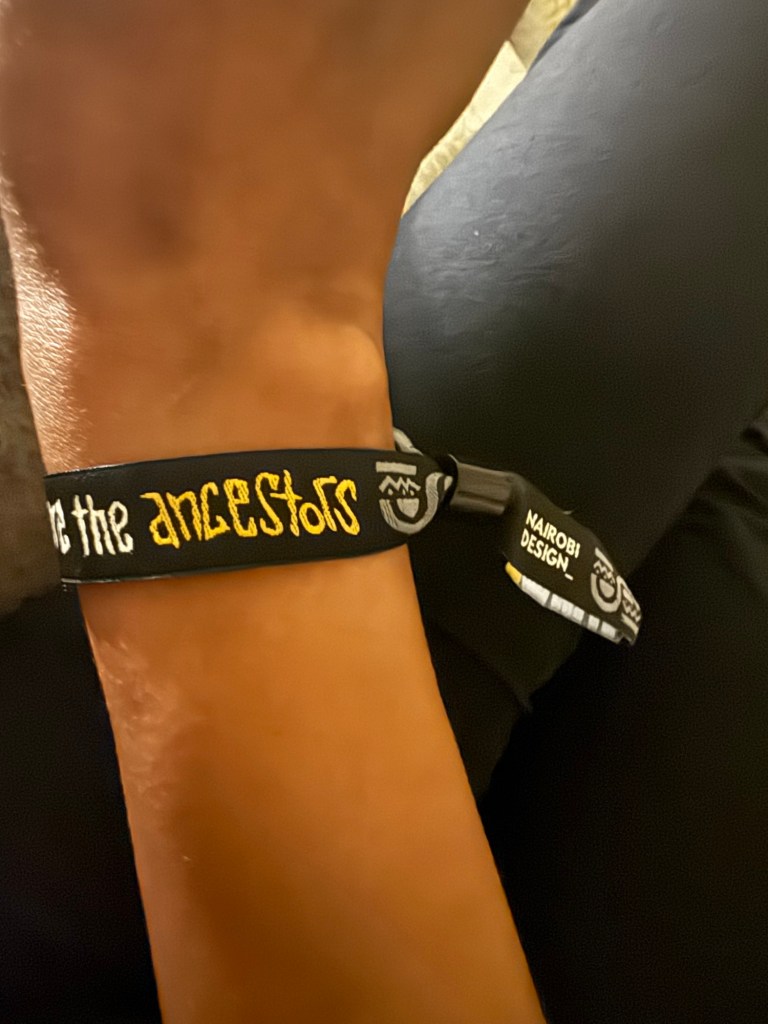
Prototyping Nairobi Design Week Wrist Bands x The Vinya Weaving Lab
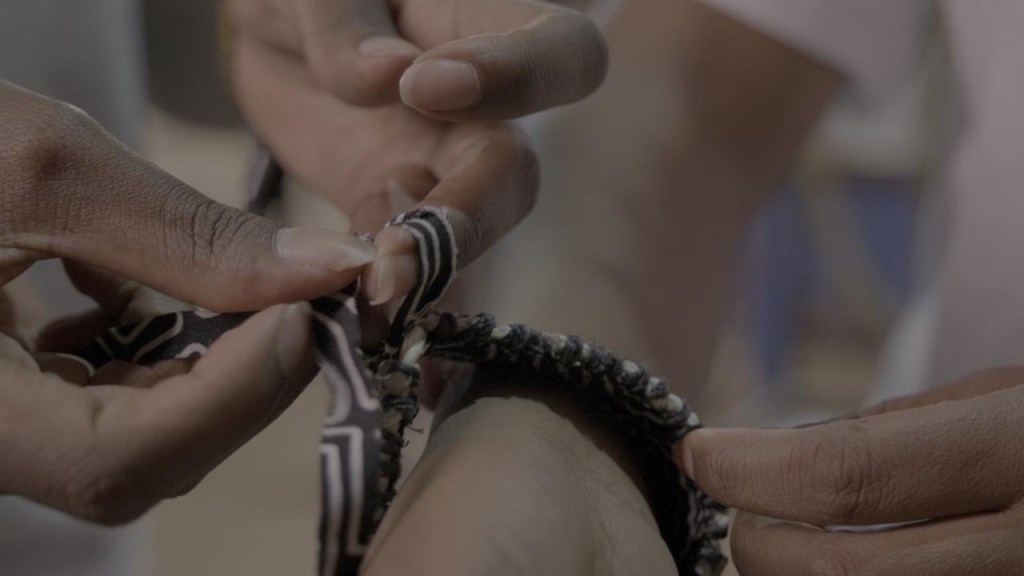
Wavinya was an exhibitor, who previously participated in Design Weeks. She founded a weaving studio in Kenya, and regularly showcased her work during NDW. We had reached out to her for our tenth anniversary to see whether they could design a custom wrist band for Design Week guests.
Sample 1: We explored leveraging our partner, Sandstorm Kenya, leather to incorporate it into her sisal weaving design.
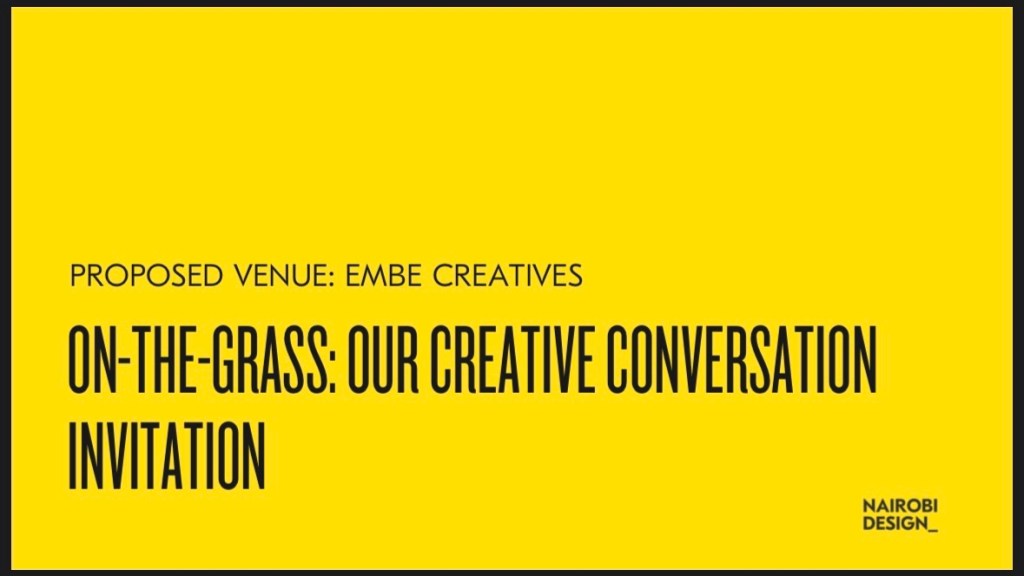
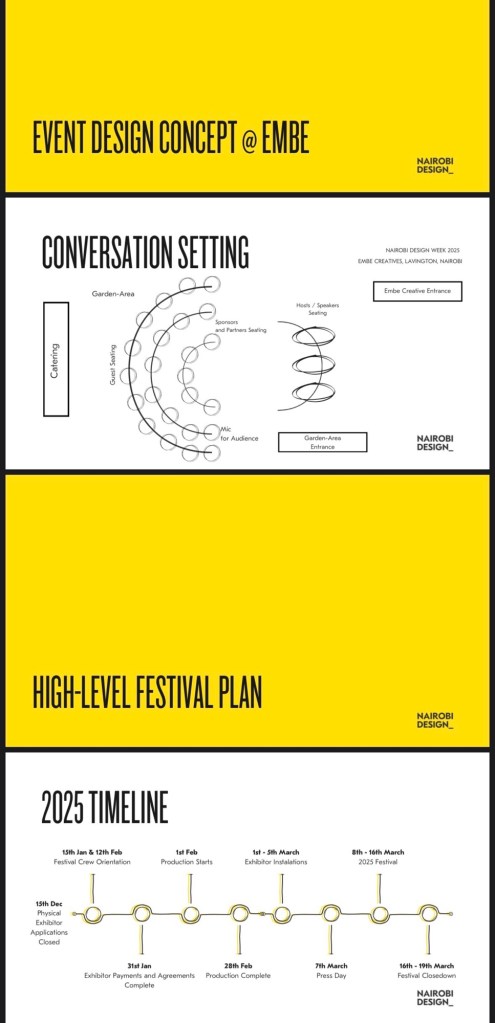
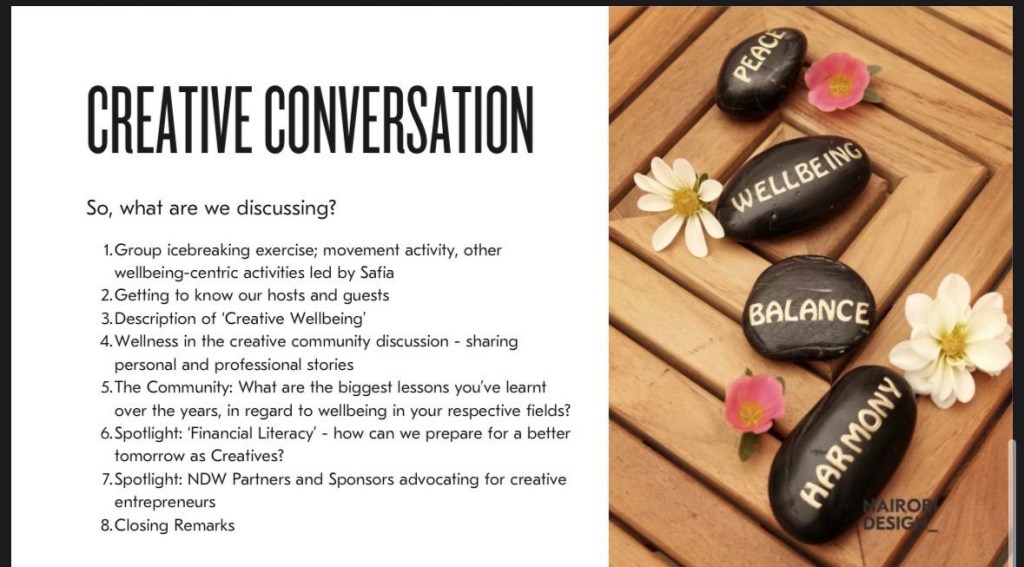
‘The Living Creative’ at EMBE Creatives
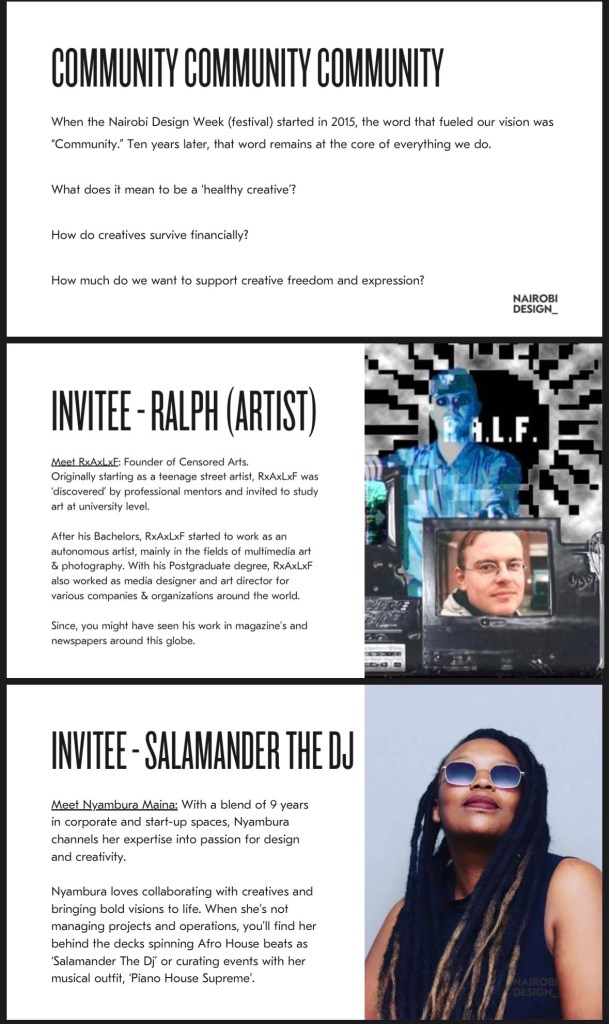
‘Kenya’s Transforming with Artificial Intelligence’

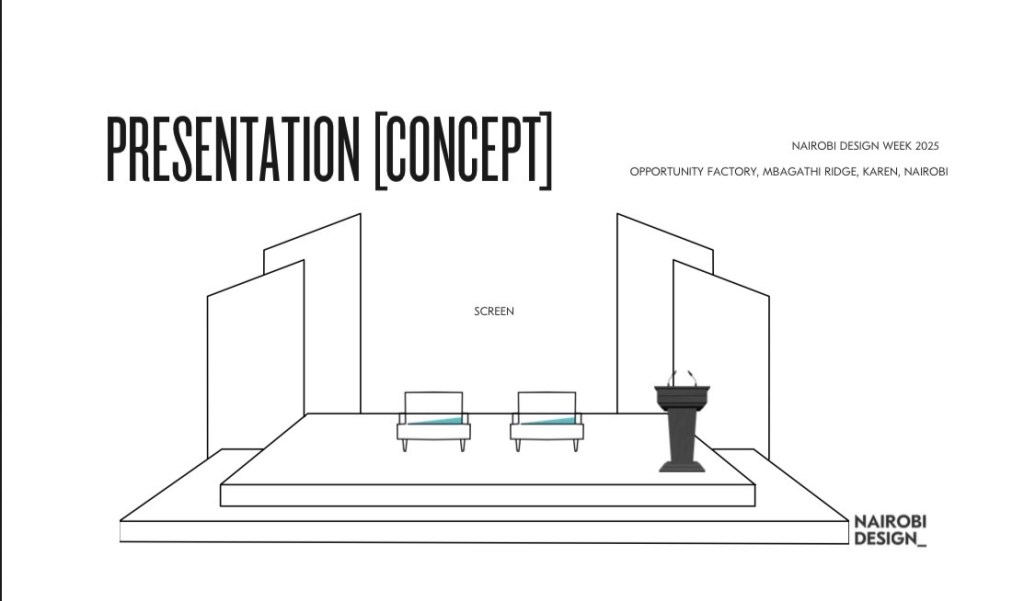
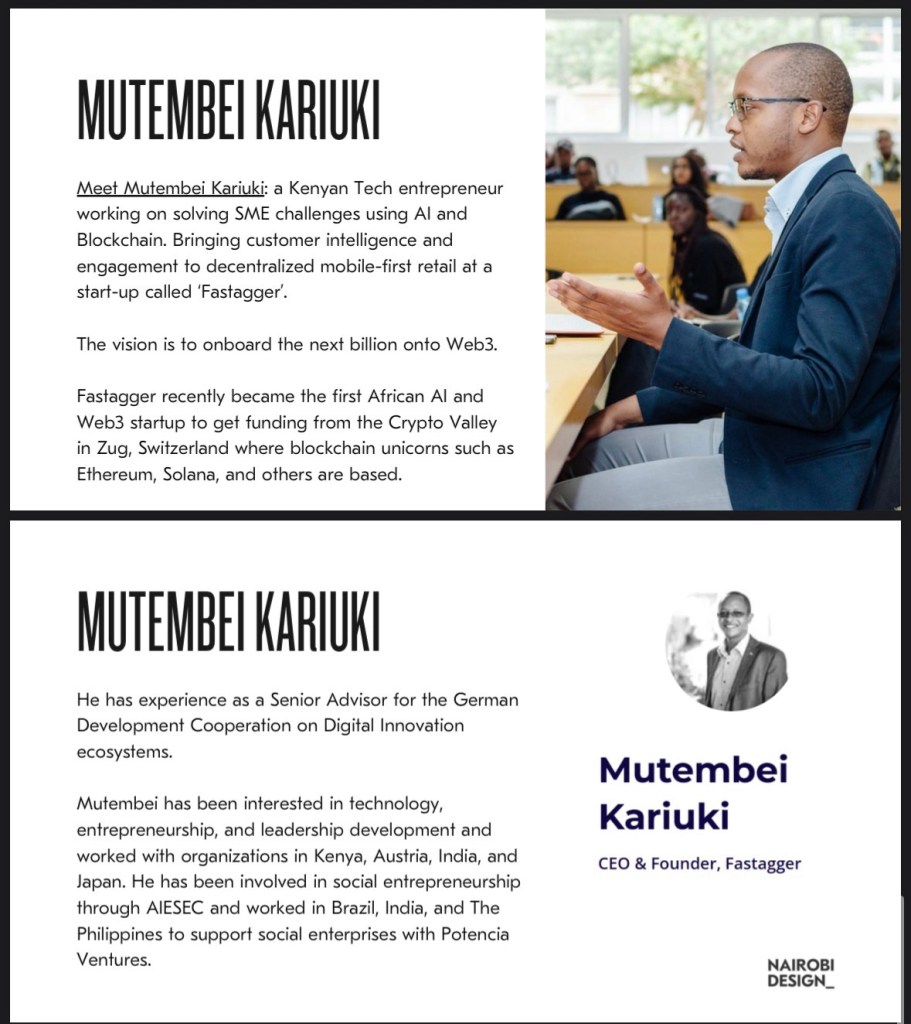
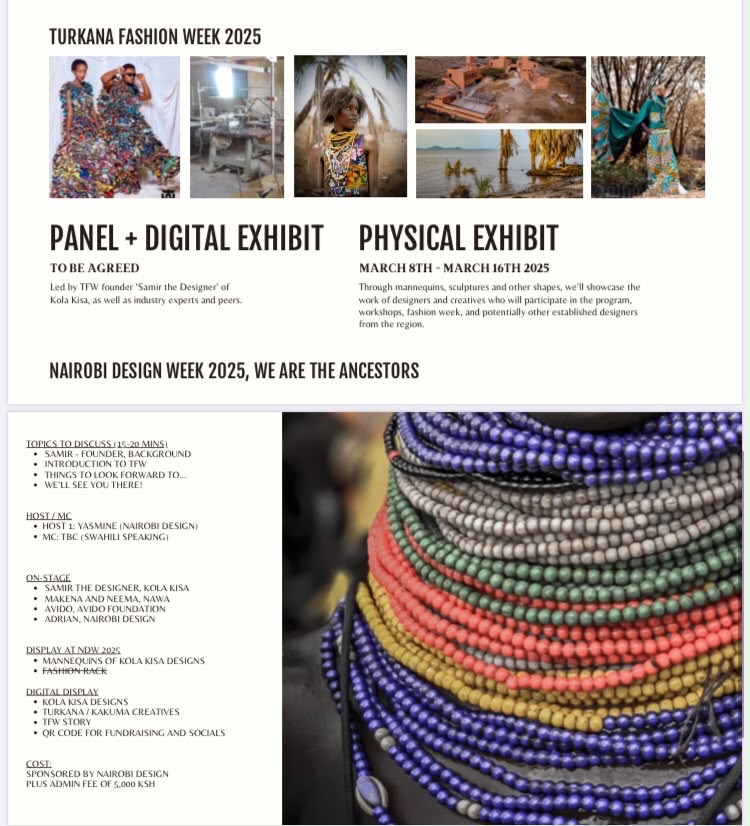
As well as several other designs and concepts, which included the partner and exhibitor lunch at Afrika House, was the work I did to support Samir, designer of fashion brand ‘Kola Kisa’. This ordeal deserves a dedicated book, from my experience and the wisdom achieved on the back of those project interactions.
Here are a few pages from the deck I put together to inspire and support him with his presentation for Nairobi Design Week 2025:
Legal Dispute with Nairobi Design
Our progress, momentum, and collective efforts began to deteriorate when I learned that the founder was in a relationship with an artist who had previously co-led the company alongside him. They were also living together at the time. As I took on responsibility for delivering the upcoming Design Weeks, I found myself navigating a number of personal conflicts and aggressive confrontations involving this artist, which appeared to stem from issues within their personal relationship.
I later became aware, through a colleague, that she was seeking to return to her role within the organization. She “moved out” of the house they lived in together during my time at the company, she moved across the lawn. Quite literally, she was living in the founders treehouse. What were their issues? He owed her money for her work and “stake” in the company of course.
Following a series of ongoing challenges, the founder informed me that the artist had been admitted to a retreat to address mental health concerns. The communication felt unexpected and was conveyed in a manner that left me with limited clarity regarding the situation.
Note: I tried to help this woman, as he still lived with her (kind of), I told the founder to as well, she needed sustenance and to be taken care of, but I had to stop helping as soon as her behaviour became unpredictable and disrespectful.
At the same time, I heard repeated accounts from multiple individuals alleging significant drug and alcohol use within this social and professional circle. While these reports contributed to my concerns, they were based on information shared by several others rather than matters I could personally verify. But I was aware of some drug issues (and not the herbal soft kind).
Throughout my time at the company, events would occur that would require clarity and an explanation, such as meetings I had organised with stakeholders and my weekly 1-1 with the founder being deleted from the Nairobi Design calendar. We all kept ignoring the toxic signs and behaviours early on, brushing things under the rug would be the theme going forward.
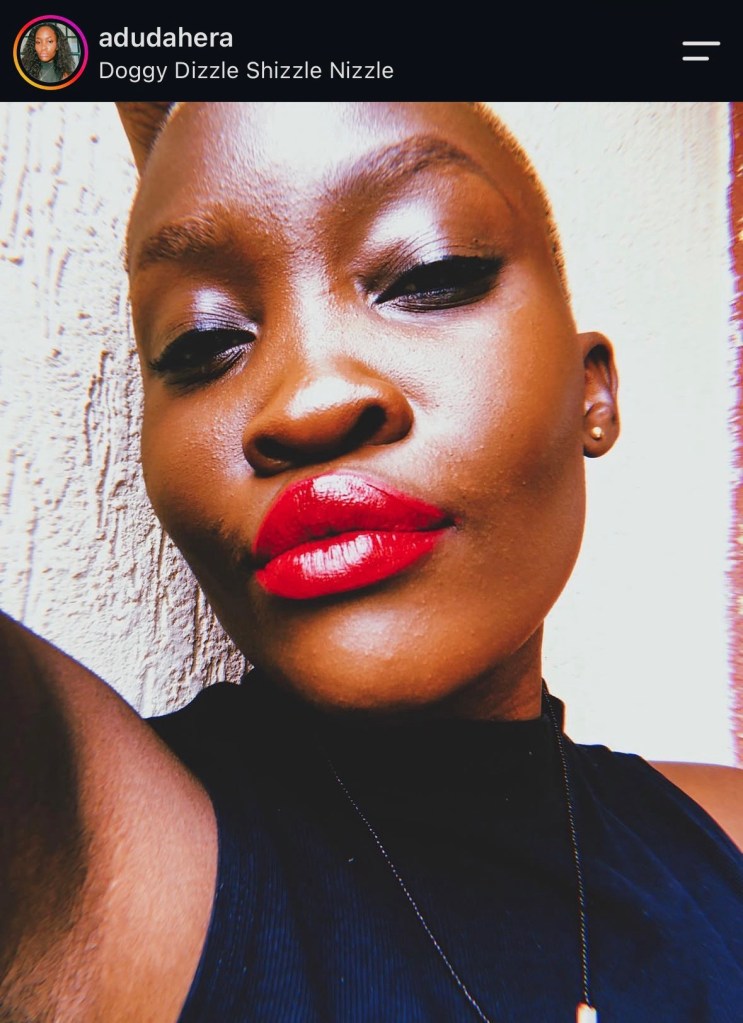
The founder made a decision to bring his then 24-year-old girlfriend (I’ll refer to her as this out of respect) Aduda and her friend Eann who worked within the fashion and creative industries, into the team, to lead the development and delivery of the organization’s marketing strategy. His girlfriend was brought into the team, specifically to “sell tickets”. But we had to fire our current Marketing Manager first. That ordeal was one of the most ridiculous encounters of my career.
According to statements made by his girlfriend at the time, she intended to assume responsibility for the entirety of the 2025 Design Week, alongside her friend, and expected to be compensated accordingly. She also indicated that both of them would receive sales-based commission incentives in addition to their compensation.
As the founder’s new business partner, this development came as a surprise to me, particularly as neither I nor the Board had been consulted prior to the decision. The individuals tasked with leading our marketing efforts operated under the name “Sarelle.” When I attempted to conduct due diligence, I was unable to find any meaningful information about the group or its track record online.
Despite this, the founder expressed strong confidence in their ability to deliver, emphasizing the support and direction he would provide. At the time, the founder, his girlfriend, and her creative team were living and working together from the same residence while collaborating on Design Week initiatives.
Meanwhile, I was managing a broader team whose roles and responsibilities became increasingly blurred as members of the Sarelle team assumed ownership of work that had been assigned to recently hired staff. This overlap created uncertainty around reporting lines, decision-making authority, and accountability, resulting in frustration among team members and reducing overall efficiency and cohesion within the organization.
Despite significant efforts to align the team, establish common ground, and reach consensus on the project direction, it became increasingly clear that Sarelle lacked the experience, knowledge, and practical capabilities required to independently deliver the 2025 Design Week.
On several occasions, I found it necessary to intervene and take a more active leadership role due to critical issues in planning and client engagement. In particular, guidance provided prior to client meetings was repeatedly disregarded, resulting in recommendations that were inappropriate or impractical. For example, during a client meeting, a suggestion was made that Circleg ambassadors participate in a 5km run alongside We Run Nairobi using prosthetic devices designed primarily for walking rather than running.
To put this in the most simplest possible way, we were asking people who could not physically run due to their disability, to run during our Design Week. This was communicated in virtual meetings in front of the client on several occasions.
Even more bizarre was the multi-million-shilling sponsorship request Sarelle submitted to the whisky brand Johnnie Walker on behalf of the team. The proposal sought sponsorship to cover the entirety of Design Week, as well as funding for the production of a documentary they claimed to have created.
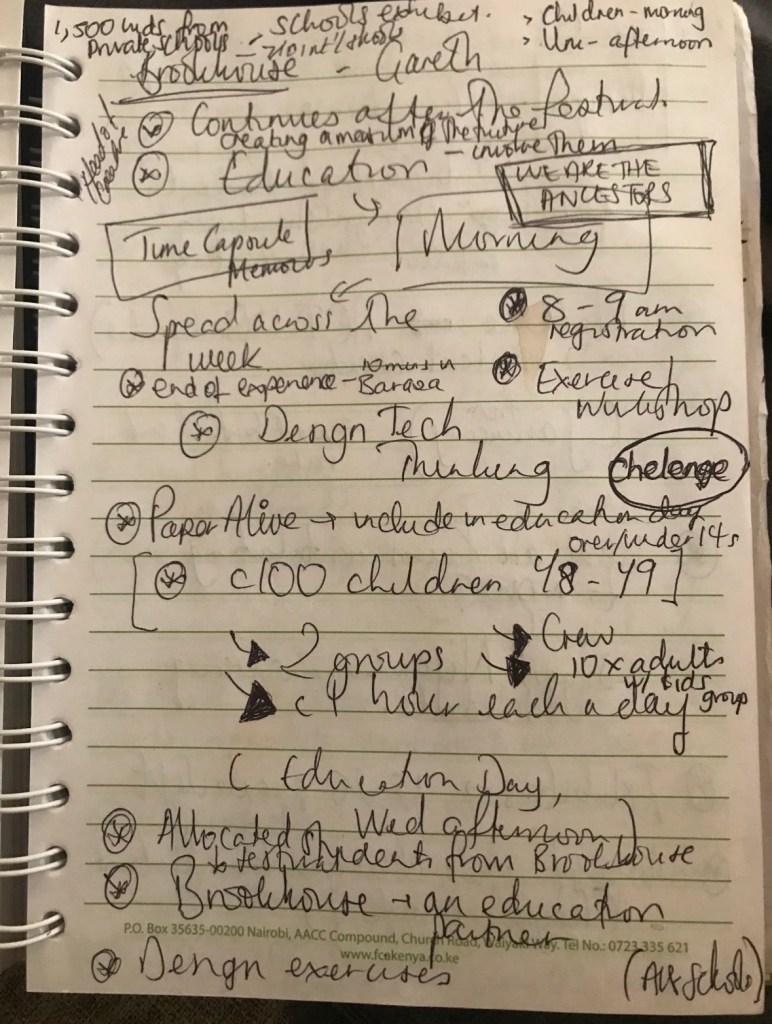
At the same time, the founder and I were developing a festival programme specifically for schoolchildren. We had even been invited by Brookhouse International School to present the programme to students, and had agreed that they would participate as volunteers during Design Week. I’d also been given the opportunity to deliver a presentation on event and project management, teaching the children how something like this is designed, planned for and delivered – which was well received by the students.
Johnnie Walker declined their ‘proposal’, citing the work they had pitched wasn’t something they would typically fund, as well as their request being too expensive (7-10M Ksh). So the team didn’t even get to fully pitch and present due to lack of research and understanding, and we lost the client at the point of first contact. I managed to salvage the relationship by contacting the client and re-pitching, trying to keep them onboard with working with us in some capacity. I handed this opportunity to the team to follow up.
Sarelle had built their entire plan for the Design Week, based on securing funding from the whisky brand.
The number of times I had to state the obvious in meetings about how contradictory and inappropriate Sarelle were, led to further problems in the team’s dynamics. This marketing duo led by the founder were reckless. I seemed to be the only person fact checking and quality checking our deliverables, there was a time I had to ask our marketing assistant to remove a post that went on our digital platforms due to errors and typos.
The Alchemist being the chosen location for the 10th year anniversary party was the ultimate eye roll moment from my experience. Because why? This nightclub was plagued by controversy such as discrimination toward Africans and drug issues.
Additionally, a significant number of Sarelle’s concepts and proposals appeared to be AI-generated and were frequently presented without sufficient review, strategic refinement, or consideration of practical execution. This became an ongoing concern, as the team was often unable to articulate how these ideas would be implemented or translated into deliverable outcomes. Given that the event was only two months from launch, the lack of preparedness and apparent acceptance of this approach raised serious concerns regarding their ability to successfully execute the project. Three months in, they failed to deliver on any of the deliverables they pitched and presented to our team. However his girlfriend, the “Marketer” at Sarelle, would be chasing payment for invoices for deliverables that never surfaced, whilst proudly requesting to be compensated even more, which he delegated to me to resolve for him.
By early February, with only one month remaining before production, it had become evident that the founder was struggling to manage the pressures and demands of the project. He had apparently broken up with the Marketing lead from Sarelle during Christmas. He was still navigating his previous break up. He had issues with his landlord. There were issues with the change of CEO at Sandstorm. We were operating with no budget for the 2025 festival and I was using my own personal expenses to keep showing up, and to ensure quality was maintained.
He was spiralling. His conduct increasingly reflected an inability to cope effectively with the responsibilities at hand, creating concerns about leadership stability during a critical phase of delivery. At one point I had to stop myself from visiting his home, as his behaviour alarmed me during a meeting, where he was speaking to me whilst walking around his house in circles. And then I continued with the lifelong mantra that kept me out of other people’s shit, “let me mind my business.”
When he became so overwhelmed, in January, he started blaming everyone in the team for issues that were occurring, including me. Every issue he raised with me in private, I resolved. Nothing was too big or too small for this team, we delivered. He was getting stuck in the weeds of a form he was trying to build and fields that were not compatible with the technology he was using. It started to get silly. I stopped communicating with him. Then I began to pull away entirely.
It was at this point that I made the decision to step back from day-to-day involvement (in early February) and formally hand over responsibilities to the team I had assembled. I also sent back the key to Nairobi Design’s office as well as a Sandstorm Kenya bag (‘the Weekender’) back to the founder via my assistant, Naisianoi.
Despite everything I had endured, five months after joining Nairobi Design Week, I still had no signed agreement or contract, and I had not been paid for any of my work. Yet somehow, I was expected to carry the responsibility of ensuring that everyone else on the team, including Sarelle, was paid on time, had the adequate support they required and their mental health was being protected from the ongoings around them.
The imbalance felt deeply unfair. I did not deserve to work in an environment like that.
It was supposed to be better.
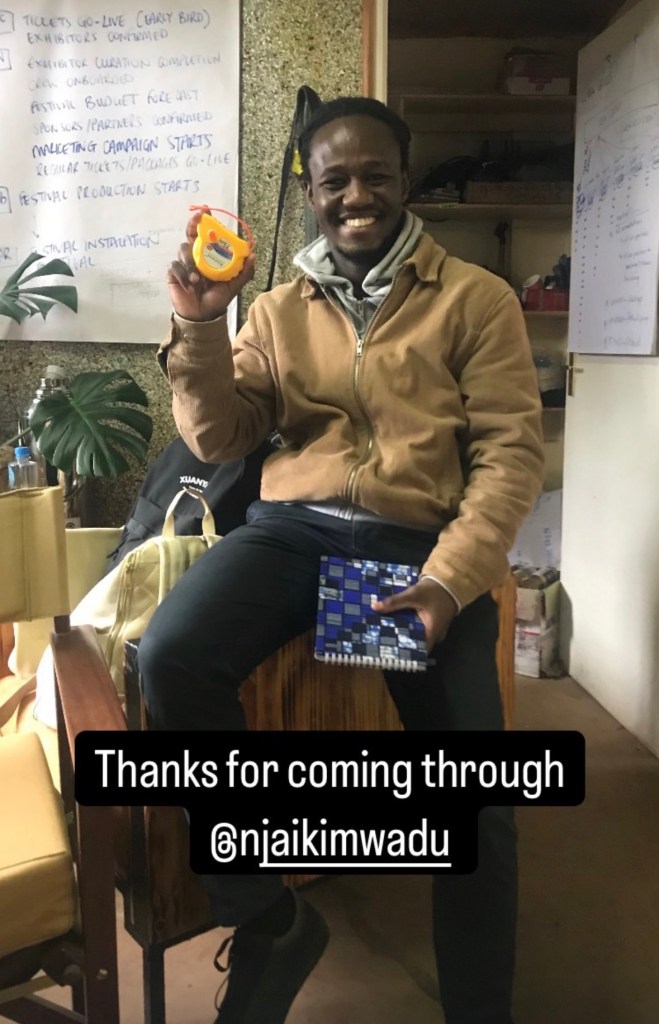
So I left… one month before Production. Where his friend who helped start the Design Weeks with him in 2015, Rina, leading on Production had no plans or design ready for us to review. Before I left, I hired an architect and designer, Njai, to help her design the location – the roofing and flooring, to help speed up the production phase. She also was chasing invoices from over a year, hadn’t been paid for her design work and had no updated employment contract with Nairobi Design.
Rina would leave emails, WhatsApp messages and voice messages politely requesting all of these issues be resolved for her, it got to a point where she only communicated these things with me and I was on it, trying my best to get the company back on track. When I would speak to the founder about it, he would brush it off, and simply say “we have an understanding” however that was not the truth in speaking with Rina. He seemed to prioritise the women in his personal life, rather than putting the company first, because he would call and text me complaining about how they were always pressuring him and arguing about things such as money.
Rina perhaps was the least confrontational in the team. I wondered for some time why both of us were neglected in the team when it came to formalities, Rina especially as she was chasing payment from at least a year before I joined the company. Then I learnt the founder was actually in a relationship with Rina when they started the company together in 2015 (she was now married and living in Uganda). At that point I could only see a pattern.
The issue was clearly, the founder of Nairobi Design.
I had overstayed in a place that was comical, and it was time for me to disappear from the madness. I resigned and hit the spa, massage and steam room please.
From the outside looking in, you would have never known what was going on internally and I made sure of that. Exhibitors, partners and all stakeholders were being managed and communicated to directly by me. Our communications were responsive, supportive and professional. I was aware of every bolt and screw of the planned Design Week.
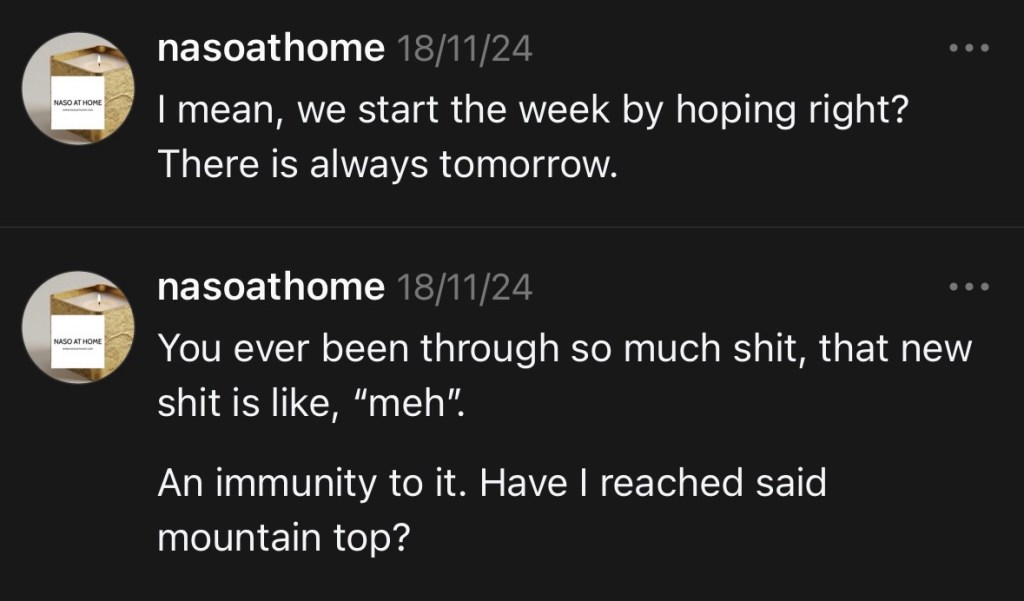
That particular 2025 Design Week, I came to learn through several sources, was later hit with a plethora of issues, and unanimously the worst they had experienced yet (even worse than 2024 which I was informed was similarly awful).
My observations of Nairobi Design Week, its immature leadership, irresponsible personal issues / behaviours finding its way into our work, and their unprofessional nature led to a legal dispute, and resulted in a no contact agreement between us in May 2025.
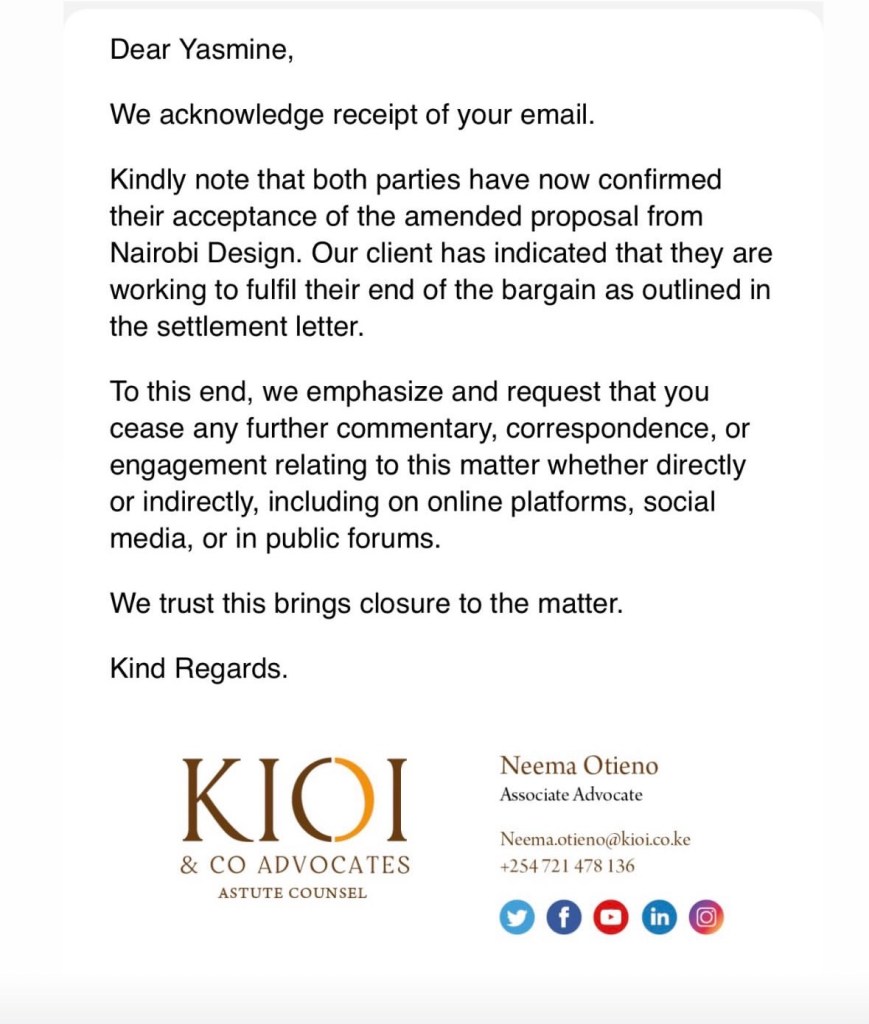
We no longer work with this company and are not associated with any of Nairobi Design’s leadership or employees at NASO AT HOME.
I was severely harassed, at my home and my new place of work, and they continue to bother me for reasons only known to them.
Long after working there, I have not stopped hearing awful stories from its employees and exhibitors. Because of my work and presence, I’d now become known in the design community and association with Nairobi Design.
Meanwhile in 2026
Fast forward, it’s 2026, I’m now working in Insurance based in DTB and look who walked in talking slick?
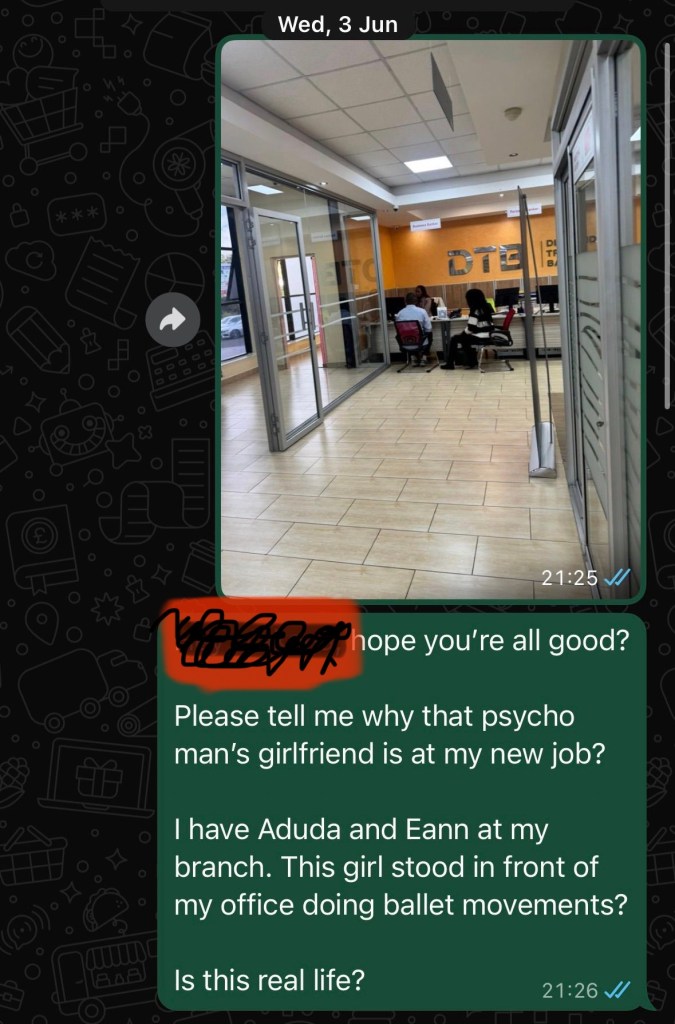
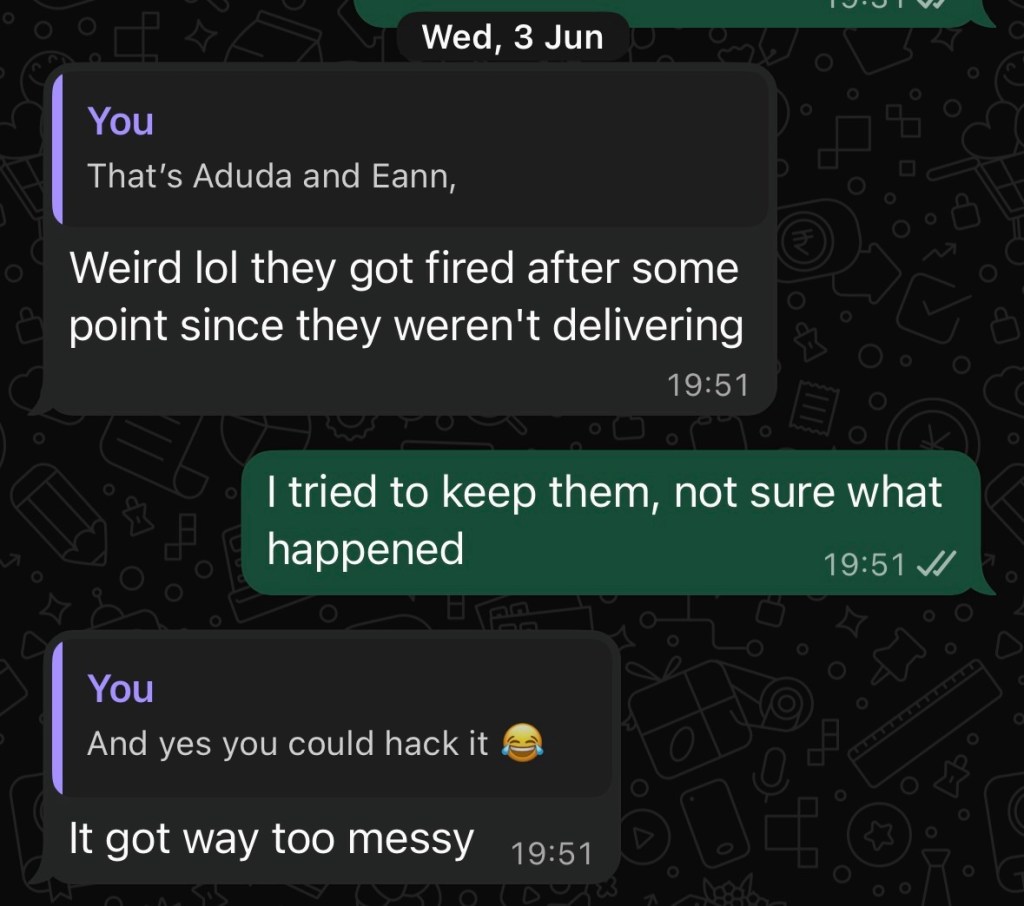
I still wonder whether that ten-part docuseries, sponsored and funded by Johnnie Walker, was ever completed. They genuinely wanted to document all of this on video? Did they not see the state of the founder during the exhibitor and crew presentations? Those moments are already documented on Instagram Reels. So, really, a whole documentary?
I also wonder whether the whisky brand was prominently plastered across the event while schoolchildren from Brookhouse were simultaneously working it. And whether those students were then expected to celebrate with Nairobi Design at The Alchemist that same night.
How did exhibitors Uli and Tata, and Dollhouse Fashion feel about a whisky brand sponsor?
Whatever happened to the launch of “Nairobi Design Nights” the proposed move into nightlife that was supposedly going to unlock another revenue stream for the founder?
Or did Nairobi Design somehow manage to perform human miracles with Circleg? Did the ‘We Run Nairobi’ 5km run ever happen with the… never mind.
I did recommend as a “Design Business” that we could help Circleg design the next iteration of their ambassadors prosthesis to allow for further mobility, but never mind I guess, perhaps I was reaching.
Seriously.
Something that I still cannot believe, is the boasting, the arrogance, the chanting, the hooliganism and the laughing after that embarrassing bullshit.
Outside my house out of all the places in the world?
Whatever you were thinking, whatever you were doing, it had the opposite desired effect.
I think that’s the best way to describe it.
We Move…
Anyway, following the legal settlement, I doubled down on completing our series at NASO AT HOME, focusing on our themed projects and events.
Unlike “Garden of Peace,” which focused on curated calm and immersive retail, “Homecoming” was about:
– Integration over isolation
– Community over curation
– Collaboration over control
It transformed NASO AT HOME into a living, moving retail experience embedded within Kenyan culture, markets, and creative networks.
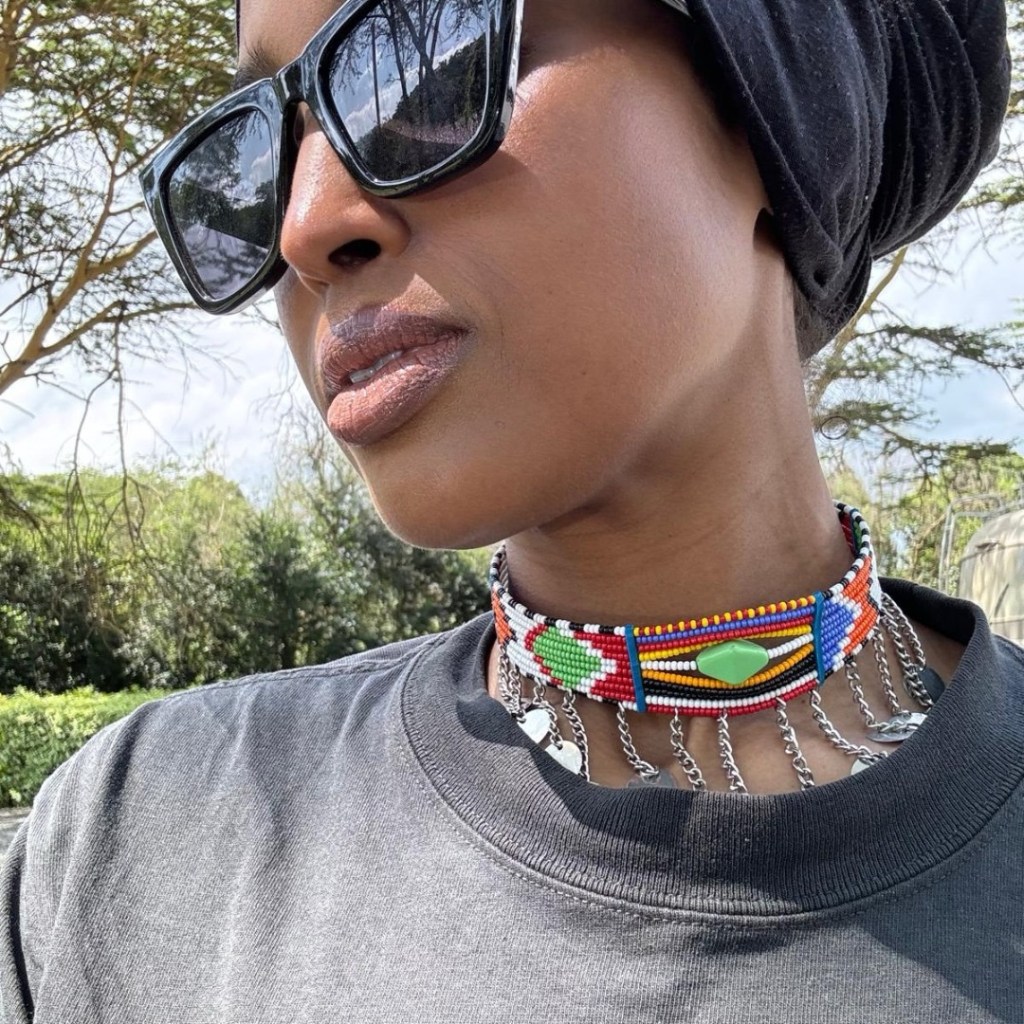
A grounded, community-driven retail journey that re-rooted NASO AT HOME in Kenya—marked by its first retail stockist, and built through markets, partnerships, and creative ecosystems to evolve into a locally embedded lifestyle movement.